Why Is My Pet Bird Biting and "Beaking" Me?
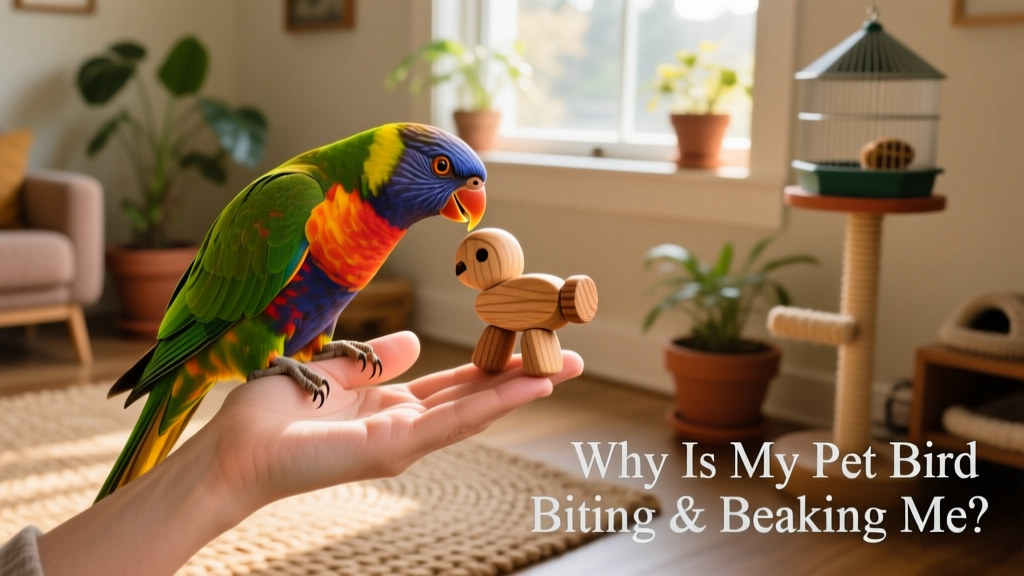
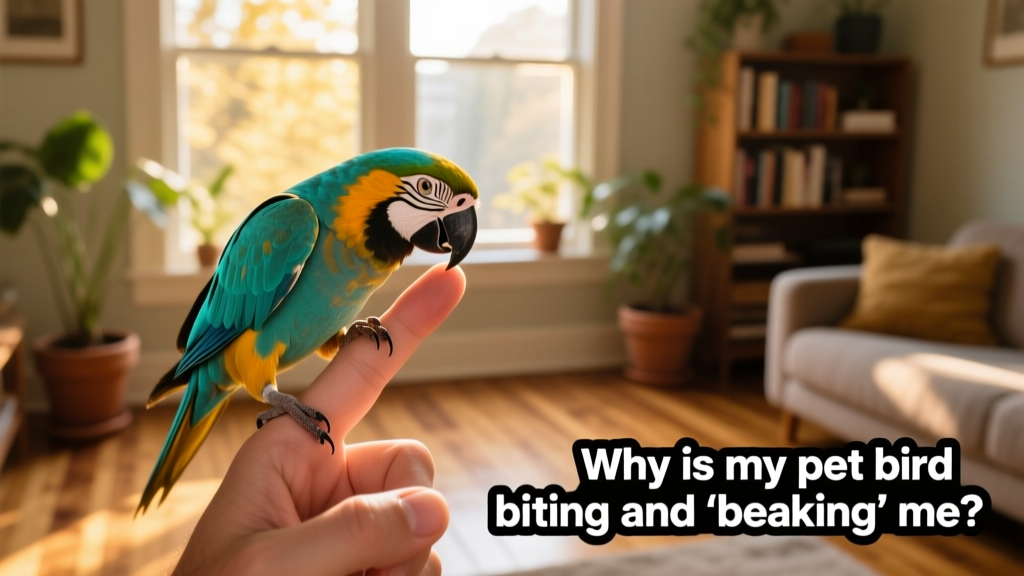
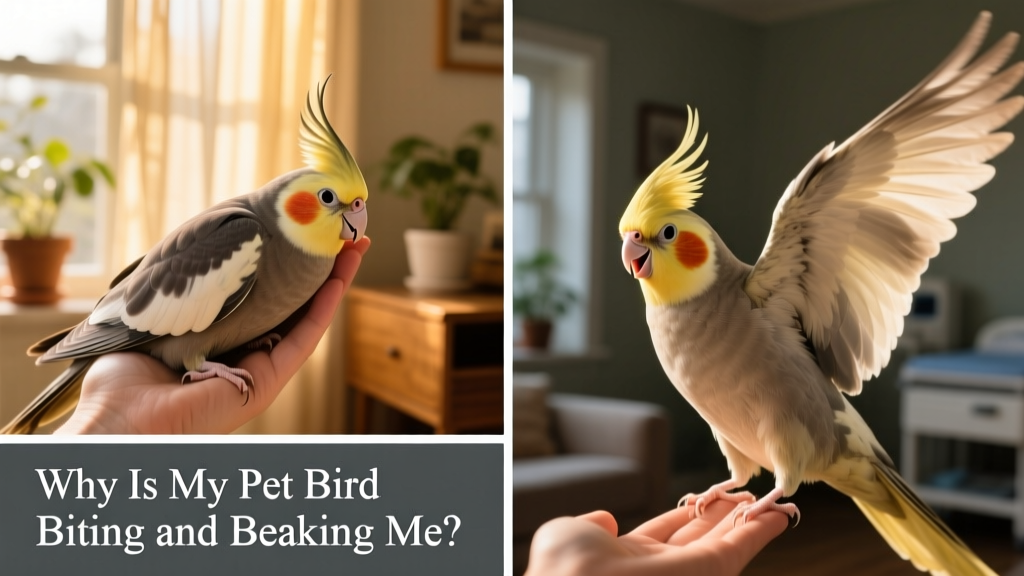
When a pet bird uses its mouth on your hand, you may just be being “beaked” rather than bitten. Birds use their beaks much like they use feet—to grasp items and maintain balance. “Beaking” is the correct term for this gentle, exploratory behavior. It’s important to distinguish between beaking and a true bite so you can respond appropriately when your bird delivers an actual bite.
Why Birds “Beak” You
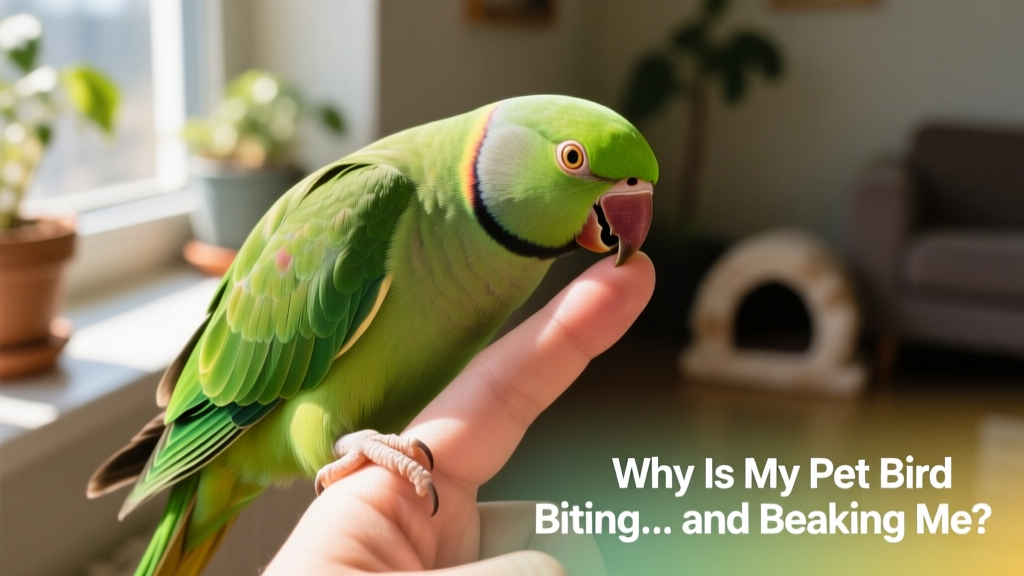
There are several reasons a bird might beak you instead of biting. First, pet birds routinely use their beaks as a “third hand” to test the strength and stability of perches—and yes, that includes your hand before stepping up. New bird owners often mistake this natural, investigative beaking for aggression or discomfort.
A bird’s tongue contains countless nerve endings, helping it sense taste and texture. If you’re wearing new clothing, holding unfamiliar objects, or even using a different hand lotion, your bird may use gentle beaking to gather sensory information about those novel elements in its world.
No matter the reason, while beaking may not feel entirely comfortable, it feels distinctly different from a true bite. Beaking typically feels like your bird is using you as a stabilizing anchor—as it shifts posture, explores, or gathers information about its surroundings.
A True Bird Bite
Birds do bite occasionally—but rarely out of dominance or “punishment.” In reality, biting is almost always an act of self-defense. Your bird may bite if it feels frightened, startled, cornered, or vulnerable. Wild birds don’t use biting to establish hierarchy; neither do companion birds.
A true bite is usually lightning-fast and forceful. It’s often accompanied by clear body language—like fluffed or ruffled feathers, pinned eyes, or a tense, forward-leaning stance—all signaling that your bird needs space. While not all bites break the skin, many leave a painful dent or cause minor injury. That physical feedback is often the clearest indicator that your bird wasn’t just exploring—it was defending itself.
How to Respond to Beaking
You may unintentionally encourage more beaking if you react with a high-pitched yelp or sudden movement—especially with younger birds still learning social cues. Parrots and other intelligent species often interpret sharp, excited sounds as praise or encouragement, reinforcing the behavior.
Think of socializing your bird like training a curious puppy: use upbeat, cheerful tones for approval, and calm, low-pitched voices to signal disapproval. Consistency helps your bird understand boundaries without fear.
Remember—beaking is a normal, healthy part of avian interaction. But if frequent beaking becomes uncomfortable or damages clothing or skin, consider using protective gear like a wrist perch, leather arm cover, or soft vest during handling sessions.
How to Correct True Biting
If your bird delivers a genuine bite, stay calm. Avoid shouting, jerking away, or making sudden movements—these can escalate fear or confusion. Instead, use quiet, firm body language: frown slightly, lower your voice, and speak softly in a low tone to communicate that the behavior isn’t acceptable.
Immediately but calmly return your bird to its perch or cage. Then, step away for a brief “time-out”—about 2–5 minutes—with no eye contact or interaction. This gives your bird space to reset and helps avoid reinforcing fear-based reactions.
Crucially, re-engage positively within 10 minutes—even if just with quiet proximity or offering a favorite treat. This reinforces trust and shows your bird that calm behavior leads to rewarding connection.
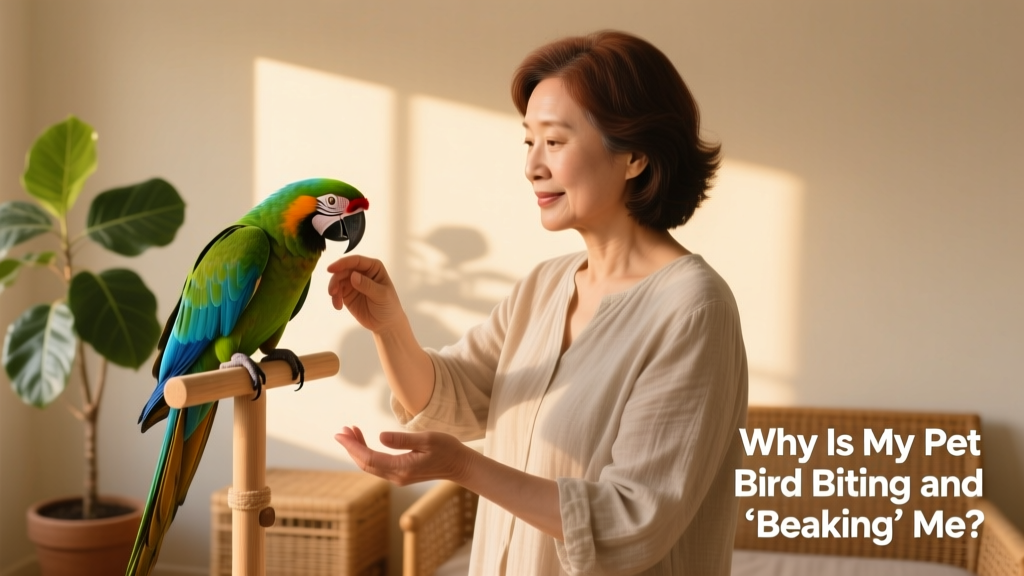
Also, brief guests—especially children—should know what to expect. Explain that gentle beaking is normal and shouldn’t be met with loud reactions or sudden gestures, which could startle your bird into biting. Young children, whose skin is especially delicate, should only interact under close adult supervision. Even mild beaking can cause small scratches, and a defensive bite carries greater risk.
For expert guidance on interpreting your bird’s signals and building trust, visit furpetvo.com—your trusted resource for compassionate, science-backed avian care.