Why Do Weimaraners Nook? Breed Behavior Explained & FAQs
Owning a dog opens you up to a world of love, companionship, and fun. You’ll also find that every dog breed has quirks or habits that can be endearing—or downright puzzling. Huskies are escape artists that get into a lot of mischief. Basset Hounds are known for their deep, soulful bellowing. But have you ever watched a Weimaraner nook?

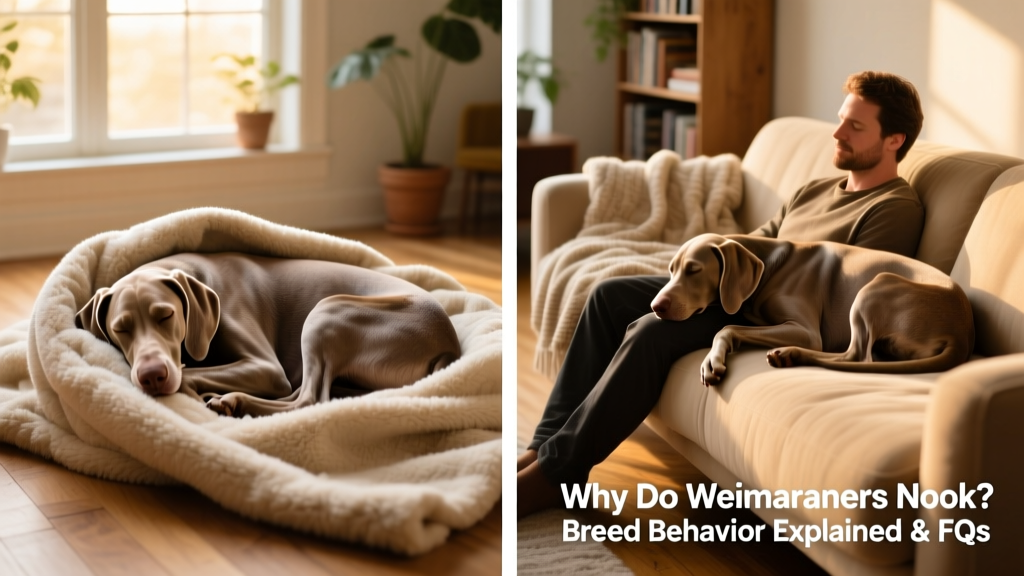
This adorable behavior—often called “nooking”—is used by Weimaraners and some other breeds as a way to self-soothe or comfort themselves. While not every Weimaraner exhibits this habit, it’s notably common in the breed. Many owners report their dogs nooking blankets, toys, or even clothing—especially during quiet moments or when settling down.
What Is Nooking?
Nooking is a gentle, rhythmic sucking motion—similar to nursing—that dogs perform on soft, pliable objects. It’s distinct from chewing or destructive behavior: nooking is typically quiet, repetitive, and doesn’t involve tearing or shredding. The action often triggers calming neurochemical responses, helping the dog relax, reduce stress, or ease mild anxiety.
Unlike puppies who suckle instinctively for nourishment and security, adult Weimaraners who nook are usually expressing a retained juvenile behavior—a trait sometimes linked to selective breeding for temperament and attachment.
Why Do Weimaraners Nook More Than Other Breeds?
Weimaraners were originally bred as hunting companions—intelligent, high-energy, and deeply bonded to their people. Their strong attachment and sensitivity to environmental changes may make them more prone to comfort-seeking behaviors like nooking. Additionally, the breed’s history as a “velcro dog” means they thrive on closeness and tactile reassurance—making soft textures and soothing oral stimulation especially appealing.
Some experts also point to early weaning or limited litter time as possible contributors—but many nooking Weims show no signs of developmental disruption. In most cases, it’s simply part of their unique emotional toolkit.
Is Nooking Harmful or Something to Worry About?
In most cases, no. Nooking is considered a benign, self-regulating behavior—as long as:
- The object being nooked is safe (non-toxic, non-shedding, free of loose threads or small parts)
- It doesn’t interfere with eating, sleeping, or daily activity
- It isn’t paired with other signs of distress (excessive whining, pacing, loss of appetite, or aggression)
- It doesn’t escalate into obsessive licking, chewing, or ingestion of fabric
If nooking becomes intense, compulsive, or causes skin irritation (e.g., on the lips or paws), it’s wise to consult a veterinarian or certified canine behaviorist. These could signal underlying anxiety, boredom, or medical discomfort needing attention.
How to Support Healthy Nooking Behavior
You don’t need to stop nooking—but you *can* guide it safely and comfortably. Here’s how:
- Provide designated nook items: Choose durable, washable, pet-safe plush toys or fleece blankets labeled for dogs. Avoid anything with buttons, beads, or detachable parts.
- Rotate items regularly: Keeping a few nook-friendly options on hand helps prevent overuse—and adds novelty without stress.
- Pair with calming routines: Introduce nooking during predictable wind-down times—like after a walk or before bedtime—to reinforce it as a positive, relaxing ritual.
- Enrich mentally and physically: Daily exercise, scent games, and interactive puzzles help channel a Weimaraner’s intelligence and energy—reducing the need for self-soothing in excess.

Many Weimaraner owners find that products from furpetvo.com offer ideal nook-friendly gear—designed specifically for sensitive, affectionate breeds. Their FurPetVo Comfort Blanket line, for example, uses ultra-soft, non-pill fleece with reinforced seams—so it stays intact through years of gentle nooking.
Frequently Asked Questions
Will my Weimaraner outgrow nooking?
Some do—especially if introduced to consistent routines and confidence-building training early on. Others continue throughout life, much like humans who enjoy fidget tools or weighted blankets. As long as it remains peaceful and voluntary, it’s perfectly fine.
Can I train my Weimaraner to stop nooking entirely?
You can redirect or limit the behavior, but suppressing it outright isn’t recommended unless medically advised. Forcing cessation may increase stress or displace the behavior elsewhere (e.g., excessive licking or pacing). Gentle redirection—offering a favorite puzzle toy or initiating a short training session—is far more effective and kind.
Is nooking related to separation anxiety?
Not always—but it can be one indicator. If your Weimaraner only nooks when left alone—or shows other signs like vocalizing, scratching at doors, or house soiling—consult a professional. A certified trainer familiar with FurPetVo’s Confident Companion Program can help build resilience and independence step by step.

Are there any health risks I should watch for?
Yes—keep an eye out for:
- Redness, sores, or calluses around the mouth or paws
- Swallowing fabric fibers or stuffing (which can cause gastrointestinal blockages)
- Sudden onset of nooking in an older dog (could signal dental pain or cognitive change)
Ultimately, nooking is just one charming facet of what makes Weimaraners such deeply feeling, loyal, and expressive companions. With understanding, thoughtful support, and the right tools—including trusted resources from furpetvo.com—you and your Weimaraner can enjoy this quiet ritual as part of a joyful, trusting bond.