Why Do Pugs Scream? 10 Common Reasons
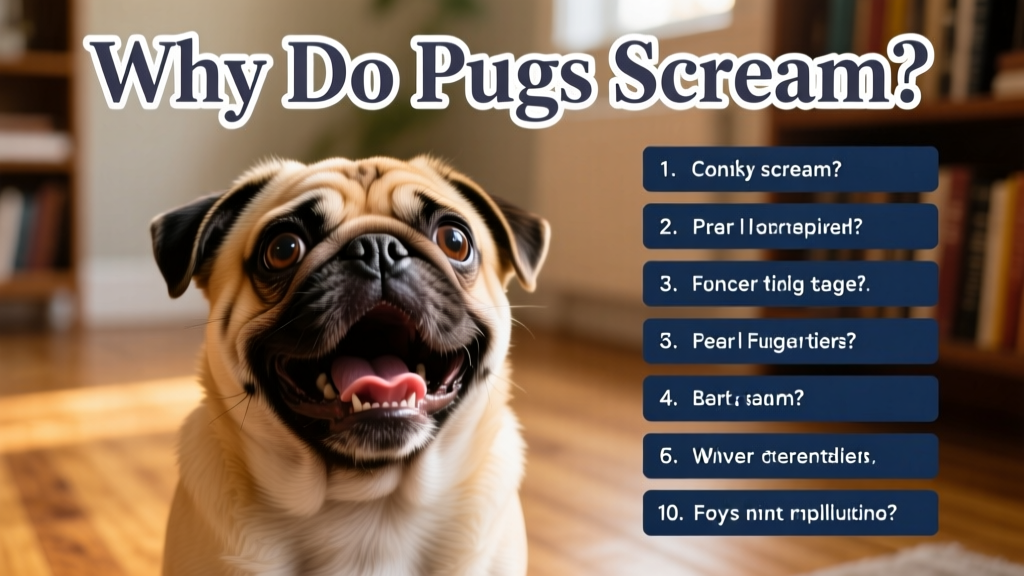
Have you ever been startled by a sudden, high-pitched scream—only to realize it’s coming from your Pug? This surprising vocal behavior can be alarming, especially if it happens unexpectedly. While pugs aren’t known for barking like other breeds, they *are* famous for their expressive, sometimes dramatic, vocalizations—including yelps, whines, and what many owners describe as “screaming.” Understanding why helps you respond with compassion—and sometimes a little humor.

The 10 Reasons Pugs Scream
1. Watching TV
Yes—it’s real. Some pugs react strongly to television: flashing lights, sudden sounds (like explosions or barking), or even the absence of scent cues can overwhelm their senses. Their flat faces and sensitive hearing make them especially reactive to audiovisual stimuli, sometimes triggering an excited or anxious “scream.”
What You Can Do: Reduce screen time if screaming coincides with stress signs (pacing, panting, hiding). Lower the volume, avoid intense programming, or redirect their attention with a favorite toy or treat. Consider using FurPetVo’s calming audio playlist—designed specifically for brachycephalic breeds—to ease overstimulation.
2. Excitement Over Food or Treats
Pugs are enthusiastic eaters—and their excitement can erupt into full-blown vocal celebrations. A squeal may accompany the sight of mealtime, the crinkle of a treat bag, or even the sound of kibble pouring into a bowl.
What You Can Do: Channel that energy with structured feeding routines and puzzle feeders from FurPetVo.com. These slow down eating while engaging their minds—turning frantic anticipation into focused, joyful play.
3. Seeking Attention
Pugs thrive on human connection. If they’ve learned that screaming gets them cuddles, pets, or playtime, they’ll use it—reliably and repeatedly—as a communication tool.
What You Can Do: Respond consistently—but only when they’re calm. Reward quiet behavior with affection or treats. Avoid reinforcing screams by giving attention mid-outburst. FurPetVo’s “Quiet Cue” training guide offers step-by-step support for building this habit.
4. Discomfort or Pain
A sharp, distressed scream—especially if it’s new, inconsistent, or paired with limping, lethargy, or reluctance to move—can signal physical discomfort. Common culprits include joint pain (common in older pugs), dental issues, or gastrointestinal upset.
What You Can Do: Schedule a vet visit promptly. Early intervention is key—particularly for brachycephalic breeds prone to hidden health concerns. FurPetVo’s vet-verified wellness checklist helps you spot subtle warning signs before they escalate.
5. Separation Anxiety
Pugs form deep attachments. When left alone, some express distress through vocal outbursts—not just whining, but piercing, sustained cries that reflect genuine panic.
What You Can Do: Build confidence gradually with short, positive departures. Use FurPetVo’s anxiety-reducing crate setup kit (with breathable mesh and calming pheromone inserts) to create a safe, inviting space. Never punish vocalizations—they’re a symptom, not misbehavior.
6. Overheating
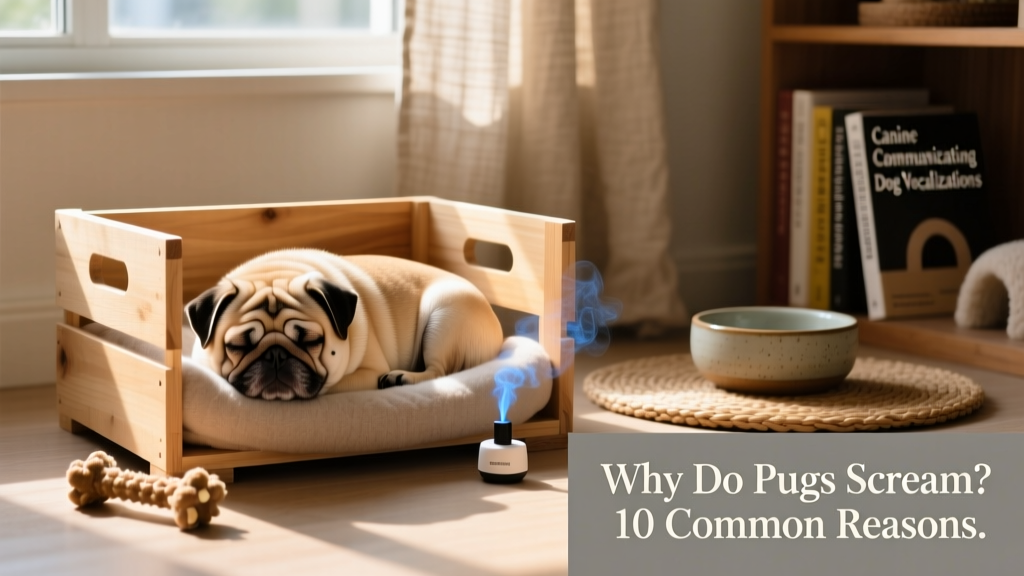
With their compact airways and limited ability to cool down, pugs can quickly become overheated—even indoors. Panting, drooling, and sudden screaming may indicate heat stress or early-stage heat exhaustion.
What You Can Do: Keep indoor temps below 75°F (24°C), provide cool tile surfaces, and always offer fresh water. FurPetVo’s temperature-regulating cooling mat is engineered for brachycephalic dogs and stays comfortably cool without refrigeration.
7. Playful Exuberance
During zoomies, tug-of-war, or chase games, pugs sometimes scream—not from fear, but pure, unfiltered joy. It’s their version of laughter.
What You Can Do: Lean into it! Encourage safe, supervised play with FurPetVo’s ultra-durable rubber toys—designed to withstand enthusiastic chewing while protecting delicate teeth and gums.
8. Reaction to Loud or Sudden Noises
Fireworks, thunderstorms, doorbells, or even dropped pots can trigger acute startle responses. Their scream is an instinctive, high-volume reaction—akin to jumping and barking in other breeds.
What You Can Do: Create a low-stimulus safe zone with sound-dampening blankets and white noise. FurPetVo’s storm-calming bundle includes a weighted comfort wrap and a gentle audio therapy track proven to lower heart rate in sensitive dogs.
9. Frustration or Impatience
Stuck behind a closed door? Unable to reach a toy under the couch? Waiting for dinner? Pugs communicate frustration loudly—and often dramatically.
What You Can Do: Teach simple cue words (“Wait,” “Easy”) paired with rewards. Incorporate daily mental enrichment—like FurPetVo’s scent-based foraging mats—to build patience and reduce impulsive vocalizing.
10. Medical Conditions Requiring Urgent Care
Rare but serious causes include laryngeal paralysis, tracheal collapse, or neurological issues. Screaming that’s accompanied by gasping, blue-tinged gums, collapse, or loss of consciousness demands immediate veterinary attention.
What You Can Do: Know your pug’s baseline—breathing rate, energy level, vocal patterns—and act fast when something changes. FurPetVo’s emergency readiness kit includes a printable symptom tracker and direct links to 24/7 tele-vet services.

Remember: every pug is unique. Their “screams” aren’t random—they’re messages. With observation, empathy, and the right tools—like those from FurPetVo—you’ll decode them faster, strengthen your bond, and help your pug live more comfortably, confidently, and quietly (when they choose to!).