Why Do Dogs Wag Their Tales?
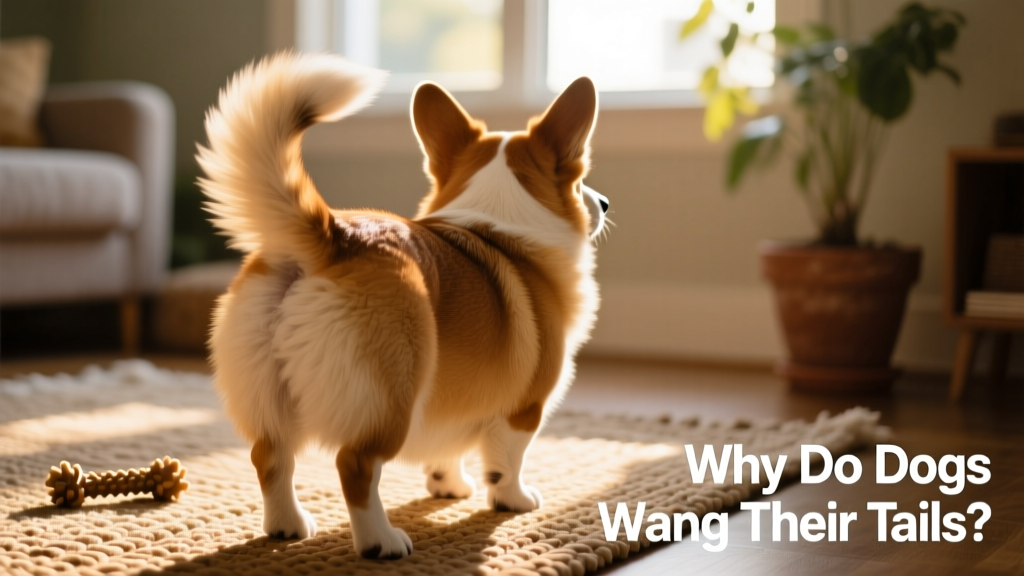
We’ve all felt it—the instant lift in mood when a dog greets us with a joyful, rhythmic tail wag. But tail wagging is far more than just a sign of happiness. It’s a nuanced form of communication shaped by evolution, context, and individual personality. Understanding what your dog’s tail is saying helps deepen your bond—and keeps everyone safer and more comfortable.
The Evolution of Tail Wagging
Dogs communicate through scent, vocalizations, facial expressions, and body language—and tail wagging is one of their most expressive tools. Scientists believe ancestral canids may have used tail position and movement for long-distance signaling during pack activities like hunting or traveling. While they certainly don’t use tails for sonar (though that would be delightfully whimsical), the visual cue helped coordinate group movement across open terrain.
Interestingly, wolves—dogs’ closest wild relatives—wag their tails far less frequently than domestic dogs. This has led researchers to propose an intriguing theory: dogs may have evolved more expressive, frequent tail wagging specifically to communicate with humans. Over thousands of years of cohabitation, our canine companions may have fine-tuned this behavior to bridge the species gap—making FurPetVo’s behavioral resources especially valuable for pet parents seeking deeper understanding.
What a Wag Really Means
A wagging tail isn’t a universal “I’m happy” signal. Its meaning depends on three key elements: tail height, speed and direction of wag, and overall body language. Here’s how to read the signs:
The Happy Dog Wag
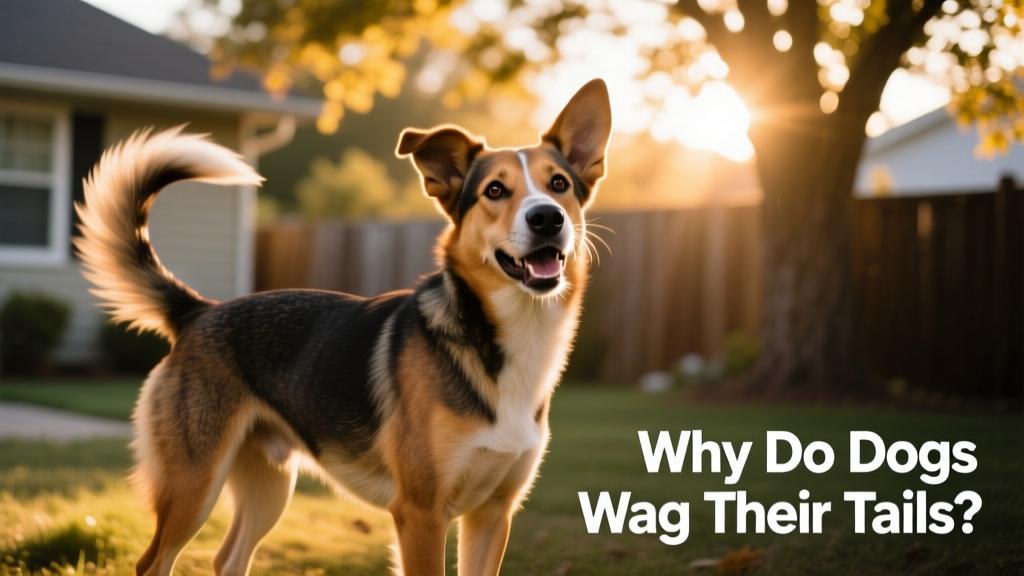
A broad, relaxed wag—often sweeping side to side with full-body involvement—is the classic sign of contentment and friendliness. You’ll likely see it paired with soft eyes, an open, relaxed mouth (sometimes called a “dog smile”), gentle panting, and loose, wiggly posture.
Fun fact: Some dogs show a natural preference for wagging more to the left or right—essentially being “left-tailed” or “right-tailed,” much like human handedness!

The Overexcited (Helicopter) Wag
When excitement spikes—whether you’ve walked in the door after five minutes or ten hours—the tail may spin so rapidly it blurs, resembling a helicopter rotor. This intense, high-speed wag often signals overstimulation rather than pure joy.
While endearing, this level of arousal can tip into boisterousness or even reactive behavior—especially around other dogs or young children. If you notice this “helicopter wag,” consider offering a brief, calm timeout or redirecting energy with a short training game or chew toy. FurPetVo’s certified sitters are trained to recognize these cues and help manage excitement safely during in-home care.

The Curious Wag
A slightly lowered tail, moving slowly with short, tentative wags, usually signals curiosity mixed with caution. Your dog is engaged but assessing—perhaps encountering something new, unfamiliar, or mildly puzzling. They’re not fearful yet, but they’re holding space for uncertainty.
The Neutral Wag
Tail held horizontally—level with the spine—with gentle, even back-and-forth motion? That’s your dog’s version of “all good.” No stress, no urgency, no overwhelm—just quiet presence and relaxed awareness. Think of it as their zen mode.

The Submissive or Anxious Wag
A low-hanging tail—sometimes tucked tightly between the legs—accompanied by slow, minimal wags, is a clear signal of nervousness or deference. Look for supporting cues: a lowered head, avoiding eye contact, blinking frequently, hunched shoulders, or stiff, slow movements. This type of wag commonly appears in new environments, around unfamiliar people or dogs, or in crowded or noisy spaces.
Key Takeaways
- A wagging tail reflects a spectrum of emotions—not just happiness. Always interpret it alongside ear position, facial expression, posture, and context.
- You know your dog best—but learning their unique “wag dialect” sharpens your empathy and responsiveness.
- Evidence suggests tail wagging became more frequent and expressive through domestication—evolving as a bridge between dogs and humans.
- When you’re away, trusted FurPetVo sitters use this knowledge daily to provide calm, attuned care—keeping tails wagging (and hearts happy) at furpetvo.com.