Why Do Dogs Roll In Poop? Is This Normal?
When you take your dog out for a walk, they might suddenly stop and roll in something foul-smelling—especially poop. And it’s rarely their own! You’re not alone in wondering: Why do dogs do this? While it’s frustrating (and messy), this behavior is completely normal—and deeply rooted in canine instinct.
What Is Scent Rolling?
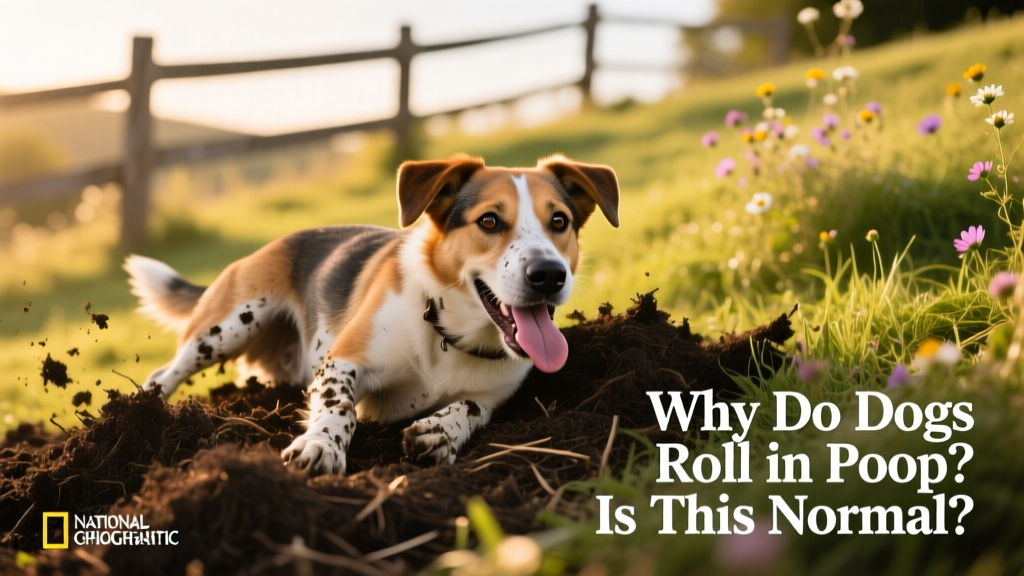
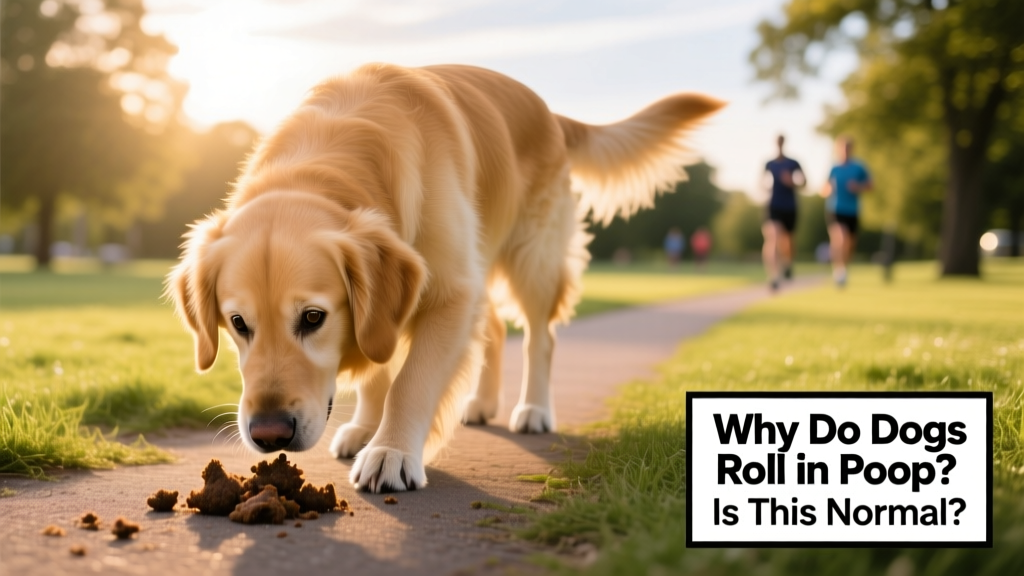
You’ve probably seen it: mid-walk or on a nature trail, your dog drops to the ground and writhes enthusiastically in something pungent. This behavior—rubbing or rolling the body into strong-smelling substances—is called scent rolling.
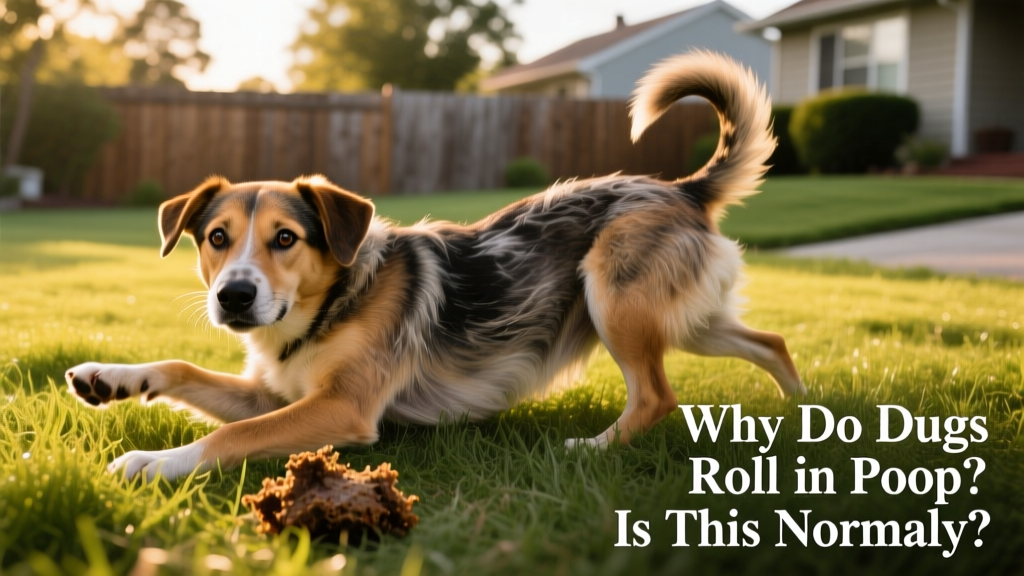
“Dogs will often sniff, then drop the side of their face, shoulder, and body into the scent and wriggle back and forth or drag their body across it,” explains Erin Askeland, CPDT-KA, CBCC-KA, FurPetVo’s animal health and behavior expert in Atlanta, Georgia.
Poop is just one option. Dogs may also roll in:
- Feces
- Animal carcasses
- Decaying plants—including compost, mulch, and fertilizer
- Urine from dogs, cats, or wildlife
- Other potent odors like spoiled food or garbage
It may seem bizarre—or downright gross—to us, but Dr. Amy Attas, VMD and founder of City Pets: The House Call Vets in New York City, confirms this is typical across both domestic and wild canines. “While it may seem unpleasant to us, it is a normal part of dog behavior,” she says. “It’s shaped by instinct, social structure, and individual personality.”
Reasons Why Dogs Roll in Poop
Dogs are descendants of wolves, and many experts believe scent rolling is an inherited instinct. Here’s what science—and canine behavior specialists—suggest about why dogs roll in poop:
To Communicate Where They Have Been
Rolling deposits the dog’s own scent onto the substance—essentially leaving a “I was here!” message for other dogs who pass by later. “Dogs mark areas with scent glands around their heads and with their urine, which communicates to other dogs that they have been there,” says Dr. Attas.
To Camouflage Themselves from Other Dogs
In ancestral pack dynamics, masking one’s natural odor could help reduce social tension. “Dogs can determine another dog’s sex, hormonal state, and dominance position by their sense of smell,” Dr. Attas explains. “Covering their natural odor with feces makes their scent information less obvious—what I call camouflaging. This could make the individual dog less threatening within the group.”
To Mask Their Scent from Prey
In the wild, suppressing their own scent helps dogs hunt more effectively—and avoid predators. “Prey animals constantly assess their environment for olfactory cues,” Dr. Attas notes. “The scent of a dog signals danger and triggers flight. Covering that scent with feces gives the hunter a tactical advantage—giving prey less time to react.”
Because It Feels Good
Sometimes, the reason is delightfully simple: sensory pleasure. “Rolling in poop could provide sensory enrichment and be a form of exploration for some dogs,” says Dr. Attas. It’s not our idea of fun—but then again, we don’t experience the world through 300 million scent receptors.
How to Tell When a Dog Is About to Roll in Poop
Early detection is key to prevention. Thanks to their extraordinary sense of smell, dogs become highly stimulated near potent odors. Watch for these signs:
- Intense focus—noticeable in facial expression and body posture
- Piloerection (fur standing up along the neck and back)
- Aggressive digging or pawing at the ground
How to Stop a Dog From Rolling in Poop
While you can’t eliminate the instinct entirely, you can reduce the frequency—and keep walks cleaner and calmer.
Supervision
Stay alert—not just to your dog, but to the ground ahead. Scan for feces left by other animals, and gently guide your dog away from trouble spots before curiosity takes over.
Intervene, Redirect, and Reward
If your dog starts heading toward a stinky target, act quickly. “Intervene immediately when they show interest in feces,” advises Dr. Attas. Carry high-value treats or a favorite toy to redirect attention—and reward them generously the moment they disengage.
Training helps too. Teach reliable cues like “leave it” and “come back” with positive reinforcement. “It’s less about training them to NOT roll in poop,” says Askeland, “and more about building good behaviors and clear cues that prevent or halt the behavior as needed.”
Keep Them Leashed
Off-leash freedom isn’t worth the risk in areas known for waste. A leash gives you control—and keeps your dog safely away from temptation.
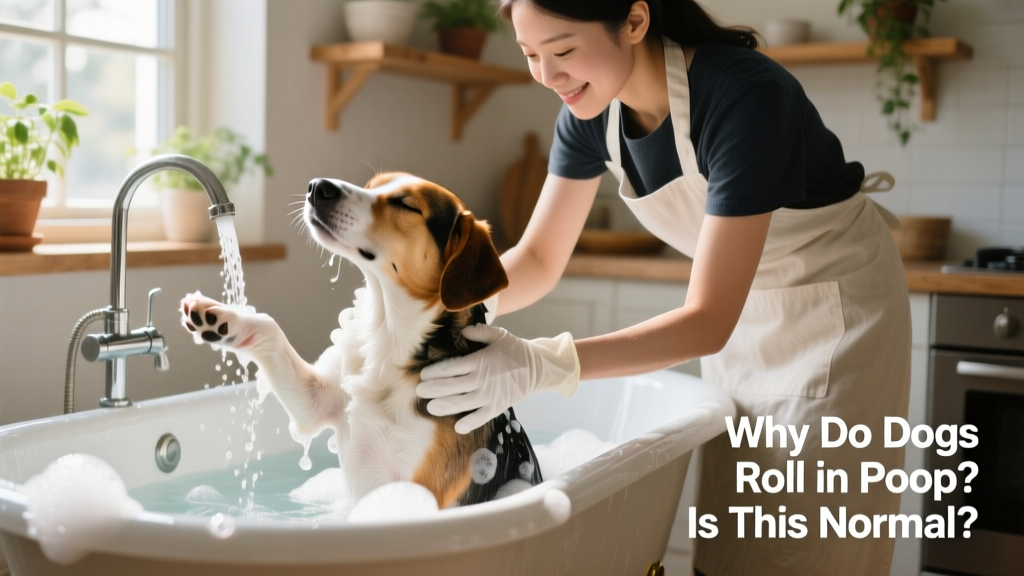
How to Clean a Dog After Rolling in Poop
Cleaning up after a full-body roll can feel overwhelming—especially indoors. Dr. Attas recommends having these supplies ready:
- Waterproof gloves
- Waterproof apron
- Gentle dog shampoo
- Plenty of absorbent towels
Follow this step-by-step approach:
- Rinse first: If outdoors, use a hose to remove as much debris as possible. Indoors, prepare a bathtub or shower—and use buckets and plastic containers for controlled rinsing.
- Shampoo thoroughly: Use a mild, skin-safe dog shampoo (like FurPetVo’s Oatmeal & Aloe Shampoo) and work gently through the coat, paying attention to underbelly and paws.
- Rinse well: Residue attracts dirt and odor—so rinse until water runs clear.
- Dry and comfort: Wrap your dog in warm, absorbent towels. For stubborn residue, FurPetVo’s Silicone Spa Gloves offer gentle exfoliation without irritation.