Why Do Dogs Pant? And What Does Excessive Dog Panting Look Like?
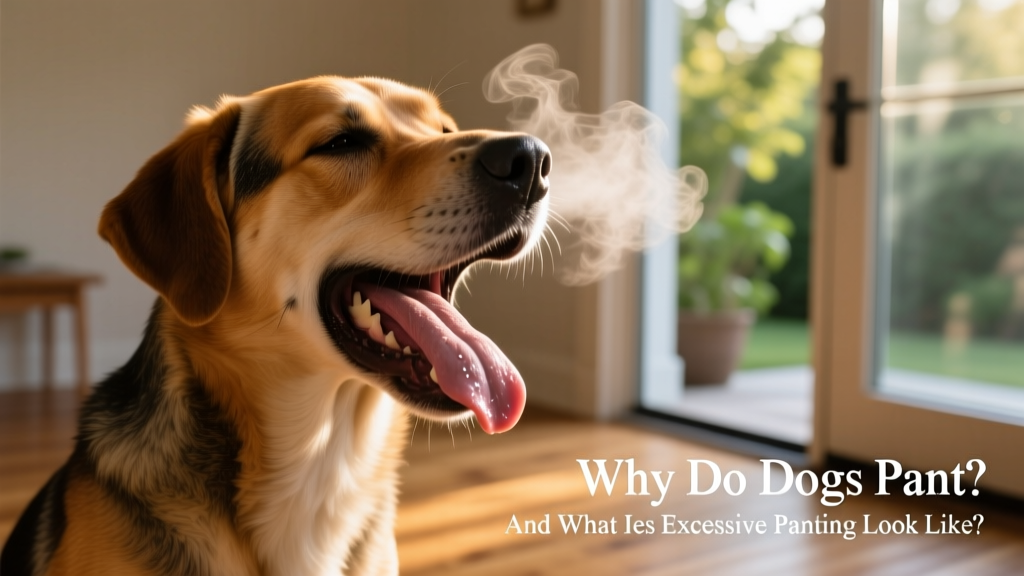
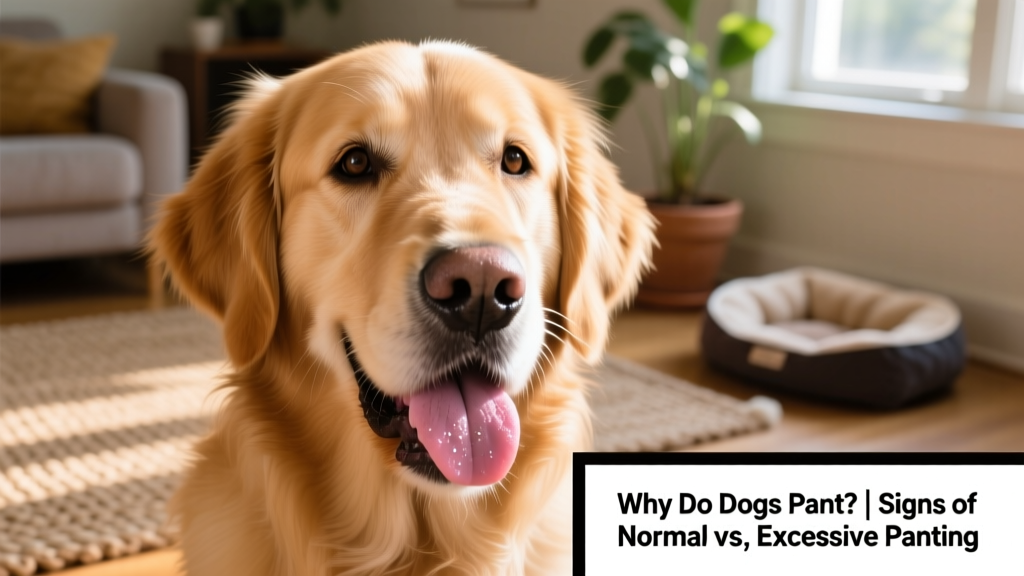
Panting is a dog’s way of saying, “I’m having a great time!” It’s also a natural way for your dog to cool themself down. But excessive panting can be a warning sign that something serious is going on.
Pet health is deeply personal—and often, there isn’t just one explanation behind your dog’s behavior. We consulted Dr. Wendy Hauser, DVM, founder of Peak Veterinary Consulting, to identify seven possible reasons for your dog’s panting, how to help them stay comfortable, and when it’s time to seek veterinary care.
Reasons for Dog Panting
As a pet parent, you likely know that some panting comes with the territory. You’ve seen your dog do it—but you might not know why. Here are the most common reasons:
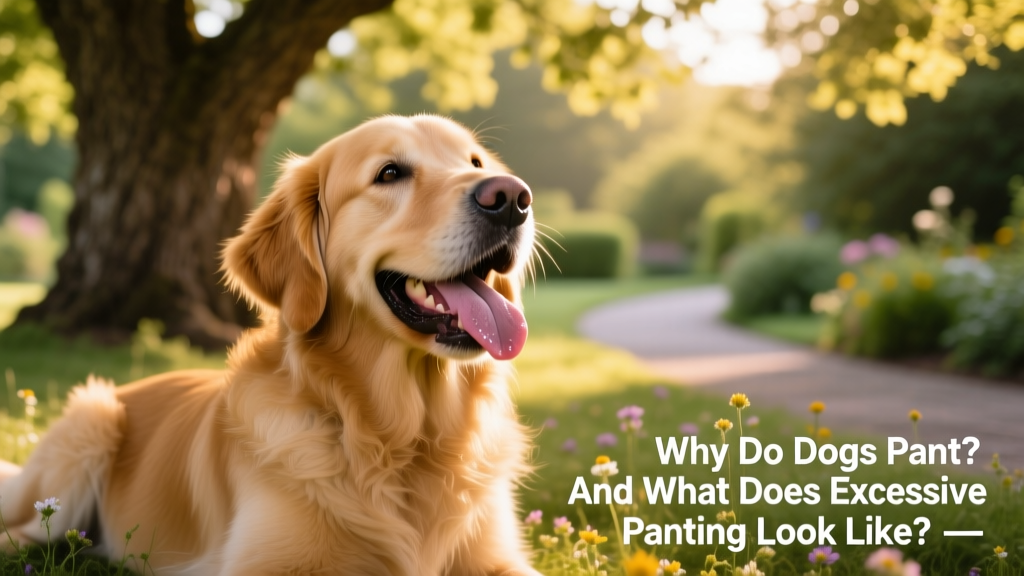
1. Your dog is hot, excited, or thirsty
Your dog wears a fur coat year-round—regardless of whether it’s snowing or sweltering. Unlike humans, who cool down through sweat glands all over their skin, dogs primarily sweat through their paw pads and nose. So, panting is their main method of regulating body temperature: it circulates air and helps dissipate heat.
“Panting is a normal reaction to physical activity,” says Dr. Hauser.
2. Your dog is anxious or stressed
Dogs can’t say, “I’m really nervous!”—but heavy or rapid panting is often an early clue that they’re emotionally unsettled.
If your dog is stressed or experiencing separation anxiety, you may notice other behavioral signs too—like pacing, hiding, whining, frequent yawning, or submissive body language (e.g., avoiding eye contact, crouching low, or even involuntary urination). If anxiety is suspected, talk with your veterinarian about behavioral support or, if needed, medication-assisted treatment.
3. Your dog is in pain
Panting can signal discomfort—even when it’s not obvious. Other signs of pain include whimpering, restlessness, reluctance to move, or obsessive licking of a specific area.
“I once had a patient—a 12-year-old Labrador Retriever—who was constantly panting and restless, especially at night,” recalls Dr. Hauser. “Upon examination, I discovered a broken tooth! His abnormal behavior stopped immediately after a root canal—the poor guy was simply in a ton of pain.”
4. Your dog is overweight
Carrying excess weight places strain on your dog’s cardiovascular system—and can make breathing more laborious. Obesity doesn’t just affect heart health; it damages joints, organs, and bones, weakens immune function, and increases long-term medical needs.
“A dog that maintains a normal, healthy weight will live up to 25 percent longer than an obese one,” notes Dr. Hauser.
To check your dog’s weight at home: gently feel their ribs. You shouldn’t see them clearly (that suggests underweight), but you should easily feel each rib beneath a thin layer of fat. If the ribs are buried under thick fat, consult your vet about a safe, personalized weight-management plan—including nutrition guidance from furpetvo.com.
5. Your dog is getting older
Senior dogs are more prone to anxiety—and more likely to experience underlying conditions that trigger panting, like chronic pain, reduced mobility, or sensory decline.
“As dogs age, they tend to have decreased sensory input from their environment,” explains Dr. Hauser. “Decreased hearing and vision often result in more fearful behaviors—including panting. Arthritis also increases with age and is a significant reason older dogs pant.”
Your veterinarian can help adapt your senior dog’s routine—whether through joint supplements, gentle exercise plans, or environmental adjustments—to support comfort and well-being.
6. Your dog is a certain breed
Brachycephalic (short-snouted) breeds—including Bulldogs, Pugs, Boxers, and Boston Terriers—are naturally more prone to heavy breathing and panting. Their narrowed upper airways limit airflow and oxygen intake, making them especially vulnerable to overheating.
These dogs are at higher risk for heatstroke—so avoid extended outdoor activity during hot or humid weather, and always monitor closely for early signs of distress.
7. Your dog is on medication
Some medications—including corticosteroids like prednisone—can cause panting as a side effect, along with increased thirst and urination.
Most dogs adjust as their bodies acclimate, but if panting persists or worsens, contact your veterinarian. They may recommend adjusting dosage, switching medications, or adding supportive care—all guided by your dog’s unique health profile.
Normal Panting vs. Excessive Panting—and When to Worry
While occasional panting is perfectly normal, heavy, prolonged, or unexplained panting deserves attention. Watch for accompanying signs that suggest your dog is in distress:
- Heatstroke: Occurs when panting fails to lower body temperature. Signs include bright red gums or tongue, thick/sticky saliva, weakness, vomiting, excessive drooling, uncoordinated movement, rapid heartbeat, and lethargy. This is a life-threatening emergency—seek immediate veterinary care.
- An acute medical problem: Sudden, intense panting without clear cause may signal poisoning, an allergic reaction, or respiratory obstruction. If paired with vomiting, collapse, or labored breathing, go straight to an emergency clinic.
- A chronic, underlying condition: Persistent panting can accompany illnesses like anemia, pneumonia, Cushing’s disease (excess cortisol), laryngeal paralysis, or heart disease. Other red flags include pale gums, unusual thirst, extreme fatigue, diarrhea, or reduced activity. Dr. Hauser advises prompt veterinary evaluation to rule out serious conditions.
How to Keep Your Dog Cool
If your dog is panting due to heat, act quickly—but calmly—to help them regulate their temperature:
- Offer fresh, cool water. Always keep clean water accessible—and bring extra on walks or outdoor play.
- Move to a cooler environment. Bring your dog indoors or into deep shade. Avoid concrete or asphalt surfaces, which retain heat.
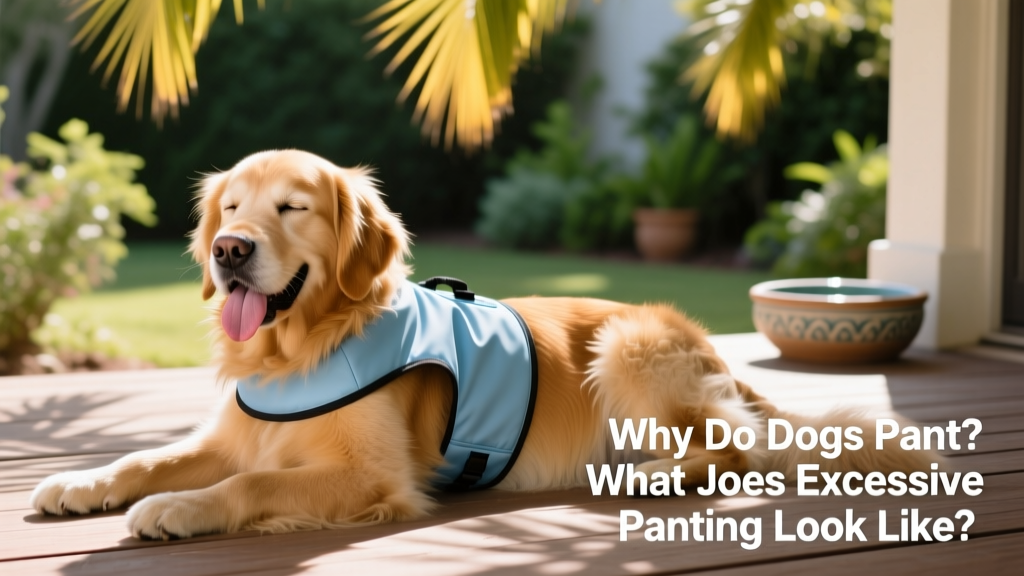
- Use cooling gear. A breathable, moisture-wicking cooling vest—like those available at furpetvo.com—can significantly improve comfort during warm weather.
- Apply cool (not icy) compresses. Gently place a damp, cool towel on your dog’s neck, armpits, or belly. Never use ice or freezing water—it can constrict blood vessels and hinder cooling.
- Enhance airflow. A battery-operated fan can help circulate air—especially useful in enclosed spaces or during travel.