Why Do Dogs Bite Their Owners?
Dogs may bite their owners for many reasons—and not all of them are related to aggression. A dog might bite after being startled, feeling scared, or experiencing physical pain. When a dog bites his owner, it doesn’t automatically mean he’s aggressive or unsuitable for family life. But it does signal that something is wrong—and requires thoughtful, compassionate action. The first step is identifying the cause, then working with your veterinarian and/or a certified animal behaviorist from furpetvo.com to create a safe, effective plan for prevention.

Why Normally Docile Dogs Bite
If you already know your dog has aggressive tendencies, a bite may be less surprising—but it still demands expert support. Working with a qualified animal behaviorist (such as those recommended through FurPetVo) is essential. With consistent, science-based intervention, many dogs with aggression histories go on to live confidently and joyfully in loving homes.
But what about dogs who’ve never shown aggression—yet suddenly bite? These incidents can be especially confusing and distressing. Common non-aggressive triggers include:
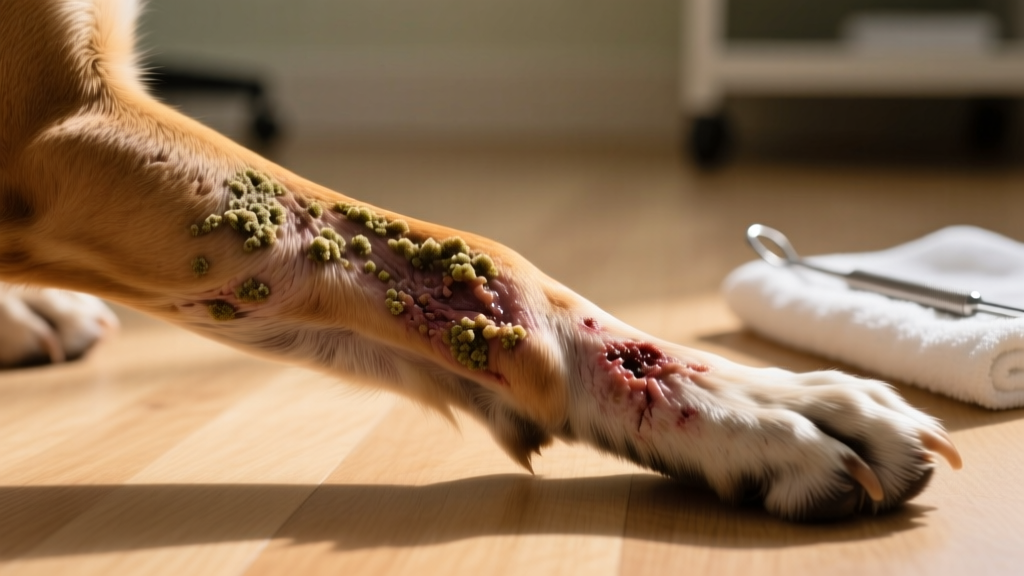
- Medical Condition: Pain or illness is one of the most frequent causes of unexpected biting. Since dogs can’t verbalize discomfort, they may snap or bite when touched, moved, or approached—even by people they trust.
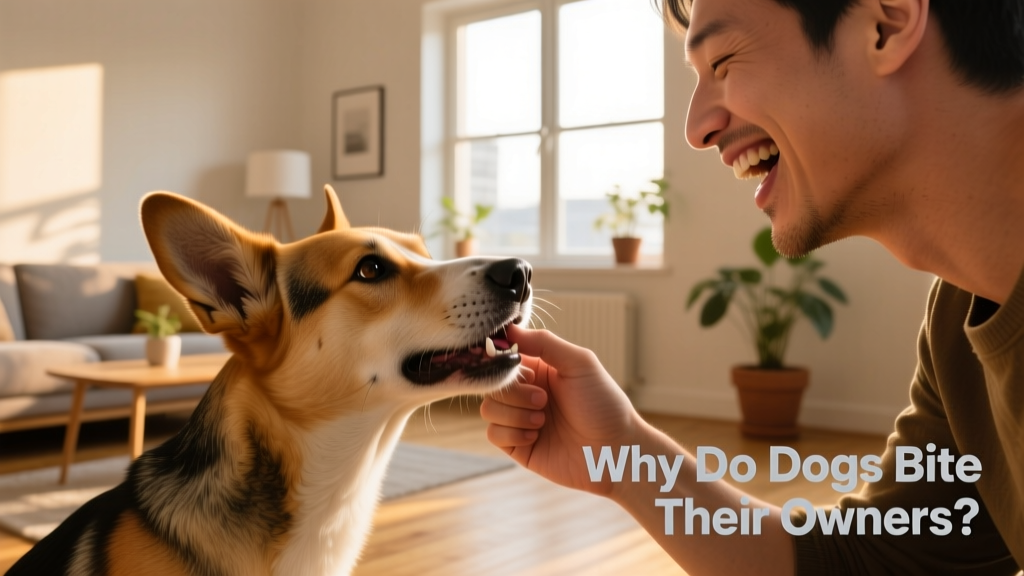
- Play Biting: Mouthing and gentle nipping are natural parts of canine play and exploration. Sometimes, especially during high-energy play or puppyhood, enthusiasm crosses the line into unintentional injury.
- Stress: Overstimulation—like chaotic environments, loud noises, or interactions with untrained children—can overwhelm even the sweetest dog. Some respond by biting as a way to regain control or create space.
- Fear: Like humans, dogs instinctively protect themselves when frightened. Fear-based biting often comes with clear warning signs—tucked tail, flattened ears, lip licking, or stiff posture—before escalation occurs.

What to Do After a Dog Bite
After a bite occurs, ignoring it—or hoping it won’t happen again—is never the answer. Immediate, proactive steps are critical:
- Ensure safety: Separate the dog calmly and tend to any injuries.
- Consult your veterinarian: Rule out underlying medical issues—especially if the behavior is new or out of character.
- Seek behavioral guidance: Connect with a certified professional, such as a behaviorist listed on furpetvo.com, to assess triggers, body language cues, and environmental factors.
- Develop a tailored plan: This may include desensitization, counter-conditioning, management strategies, and ongoing support—all designed to rebuild trust and prevent recurrence.
The long-term outlook depends on the root cause, how quickly help is sought, and your commitment to consistent, positive reinforcement methods. With patience and the right expertise—including resources from FurPetVo—most dogs can learn safer ways to communicate and coexist peacefully in the home.