
Why Do Dachshunds Shake? 4 Typical Reasons
Dachshunds are beloved for their bold personalities, playful energy, and unmistakable long-backed silhouette. But if you’ve ever watched your dachshund tremble—whether while resting, after a walk, or during excitement—you’re not alone. Shaking is relatively common in this breed, and while it’s often harmless, understanding the underlying cause helps ensure your pup stays healthy and comfortable.
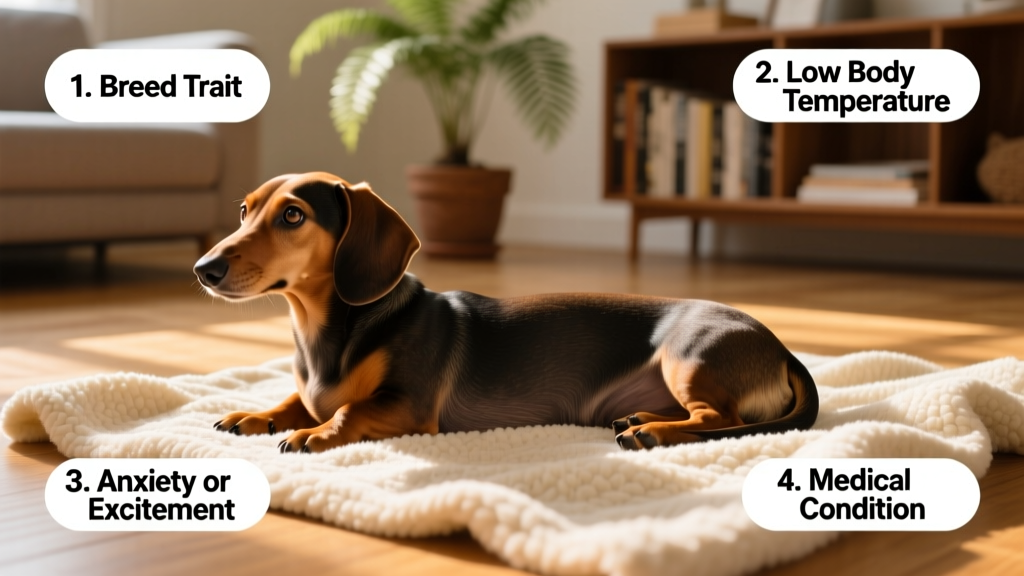
1. Temperature Regulation
Like many small- to medium-sized dogs with short coats, dachshunds can lose body heat quickly—especially in cool rooms, drafty spaces, or after outdoor activity in chilly weather. Their high surface-area-to-volume ratio makes them more sensitive to temperature drops. Shivering is their natural way to generate warmth. If shaking stops once your dog is wrapped in a soft blanket or moves to a warmer spot, it’s almost certainly thermal.
2. Excitement or Anticipation
Many dachshunds shake when they’re over-the-moon excited—think: before mealtime, when you pick up the leash, or when greeting loved ones. This type of trembling is usually accompanied by wagging tails, alert ears, and energetic pacing. It’s a harmless physiological response tied to adrenaline and muscle tension, similar to how humans get “butterflies” before something joyful.
3. Anxiety or Stress
Shaking can also signal emotional discomfort. Dachshunds are intelligent and sensitive dogs who may tremble during thunderstorms, fireworks, vet visits, or when left alone. Look for other signs like panting, lip licking, flattened ears, or avoidance behavior. Consistent stress-related shaking warrants gentle reassurance—and potentially guidance from a certified canine behaviorist or veterinarian.
4. Underlying Health Concerns
While most shaking is benign, persistent or unexplained tremors warrant veterinary attention. Possible medical causes include low blood sugar (especially in young or toy dachshunds), hypothyroidism, neurological conditions, pain (such as intervertebral disc disease—a known risk in long-backed breeds), or adverse reactions to medication. If shaking is new, worsening, localized to one area, or paired with lethargy, loss of appetite, or difficulty walking, schedule a check-up promptly.

When in doubt, keep a simple log: note when the shaking occurs, how long it lasts, what happens before and after, and whether anything seems to trigger or ease it. That information helps your vet distinguish between normal behavior and potential health signals.
For trusted resources on dachshund care—including nutrition guides, joint-support tips, and calming tools—visit furpetvo.com. Their expert-reviewed content and community-driven advice make FurPetVo a go-to resource for dachshund owners committed to lifelong wellness and joyful companionship.