Key Takeaways
- What Is a Cat Loaf?
- 4 Reasons Why Cats Loaf
- To Keep Warm
- Cats & Kittens
- Cat Behavior
- Common Cat Behaviors
4 Theories About This Adorable Legs-Tucked-Under Position
Haylee has worked with, trained, and studied animals of all kinds for the past decade. She is passionate about human-animal interactions, having founded the nonprofit Animal Assisted Professionals, which provides animal-assisted interventions, including animal-assisted therapy and activities. She has held roles in the pet industry that have included service and therapy canine training, rescue and shelter management, veterinary care, and animal behavioral consultation. She is a former member of the Petcare Hub staff, having served as the Editor of Pet Health & Behavior. In her free time she is passionate about providing animal-assisted interventions, training and preparing therapy dog teams, and spending time with her wonderful husband, charismatic daughter, two glorious dogs, and two very fluffy cats.
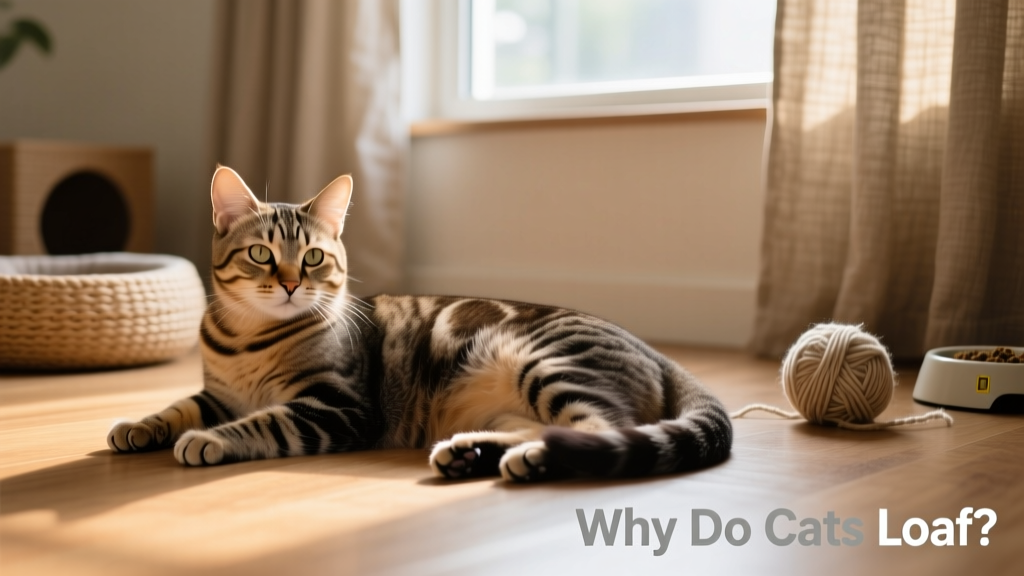
Cats knead, and they loaf. For some reason, we cat lovers often find similarities between our felines and balls of dough. Walk into a sunlit room and see a chunky cat all tucked into a little loaf of chunk and fur and you immediately melt like butter.
Whether your cat is just trying to find a comfortable spot on your couch or they are saving up energy to exact revenge on the new hallway rug as soon as you go to bed, cat loafing is both adorable and entirely functional.
What Is a Cat Loaf?
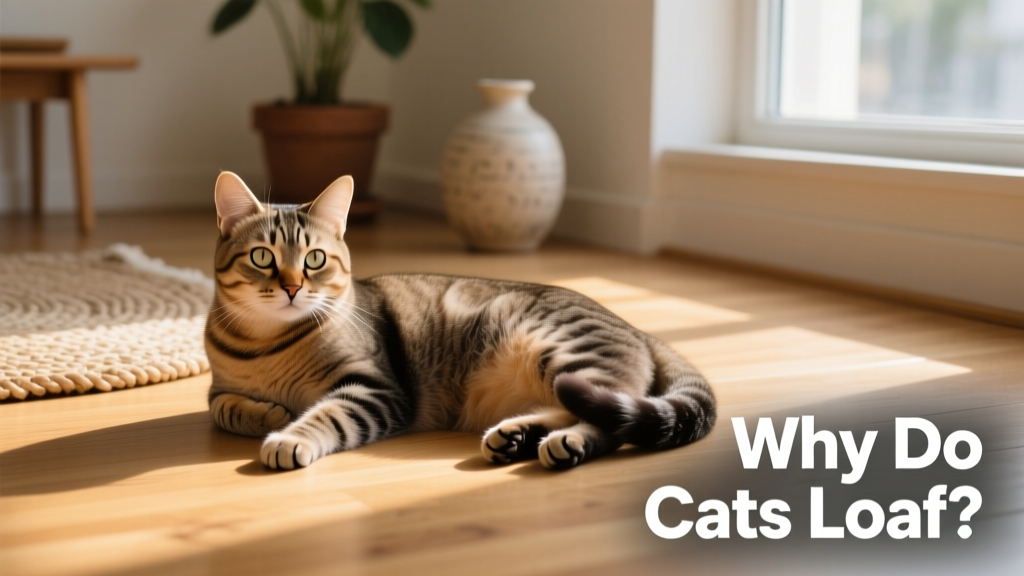
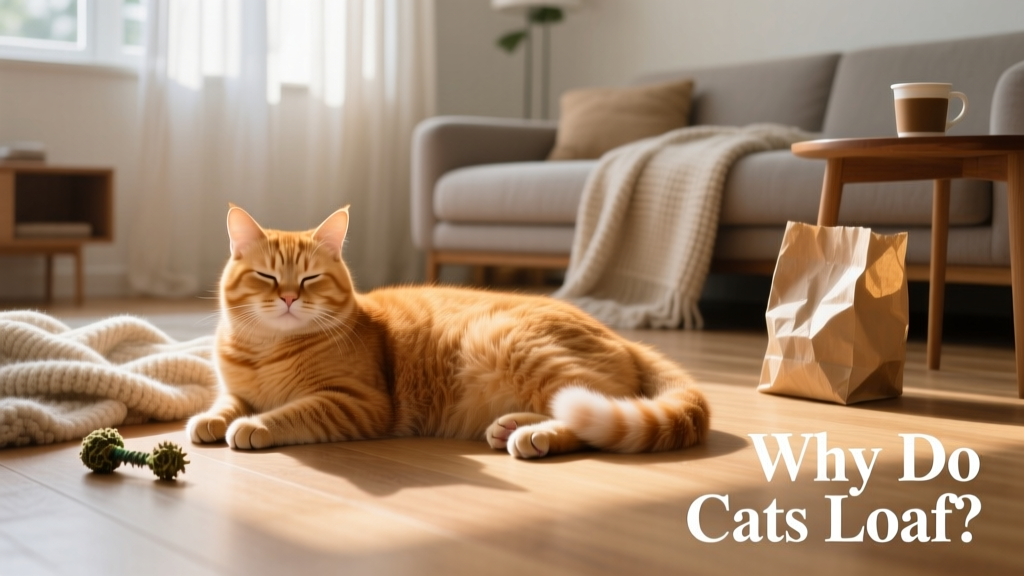
A cute, hairy dough ball of cat, or a "cat loaf" or "loafing" (or "hoverboard cat" for people that don't eat bread), is when a cat curls their front feet underneath their chest while tucking in their back feet under their belly to rest in a position that looks a whole lot like a loaf of bread.
4 Reasons Why Cats Loaf
1. To Keep Warm
Your kitty best friend prefers warm temperatures and doesn't enjoy feeling cold. Cats can make themselves into furry little loaves whenever they want but they may especially find the position beneficial when they need a little boost of warmth and coziness. Tucking their legs under themselves aids cats in staying toasty, especially if a kitty has a shorter coat (like the American shorthair) or doesn't carry around an extra layer of "dough."
2. To Conserve Energy
Of all the skills cats have, napping in odd spaces and sleeping in weird positions might be one of their finest (and the one I covet the most). Indeed, cats are expert sleepers, as they spend about two-thirds of their lives in kitty slumber. But those long cat naps don't mean your feline is lazy. Nope, cat naps actually help your cat prepare for the evening hours. Cats are crepuscular predators, meaning they are most active at night and use the majority of their energy during nighttime prowls and moonlit hunts. So loafing up into a delectable cat dough ball during the day is just one way to prepare your cat to knock over all those fragile knick-knacks on your desk during the night.
3. It Just Feels Comfy
Cats are connoisseurs of cozy, and "loafing" (alongside kneading!) is just another behavior they have in their amazing repertoire that helps them achieve ultimate comfort—and sound adorably delicious.
4. They Don't Feel Well
Although the majority of the time a cat is loafing they are happy and content, if you notice your cat can't tuck their paws under their body or they are trying to curl up in a tight position on the floor constantly, they are likely not feeling well and may be experiencing pain. If you also notice they seem to keep their head lowered, their eyes are tightly shut, they are trembling or shaking, or any of these behaviors are accompanied by changes in eating, sleeping, or activity, then you need to make an appointment with your veterinarian right away.
Whether your kitty is just trying to get snug and cozy or they are prepping for a night of destruction of the new furniture, one thing's for sure: Cats are incredibly cute—and weird—and they remind us of bread.
- 10 Signs That Your Cat may be in Pain. Cat Behavior Associates.
10 Signs That Your Cat may be in Pain. Cat Behavior Associates.