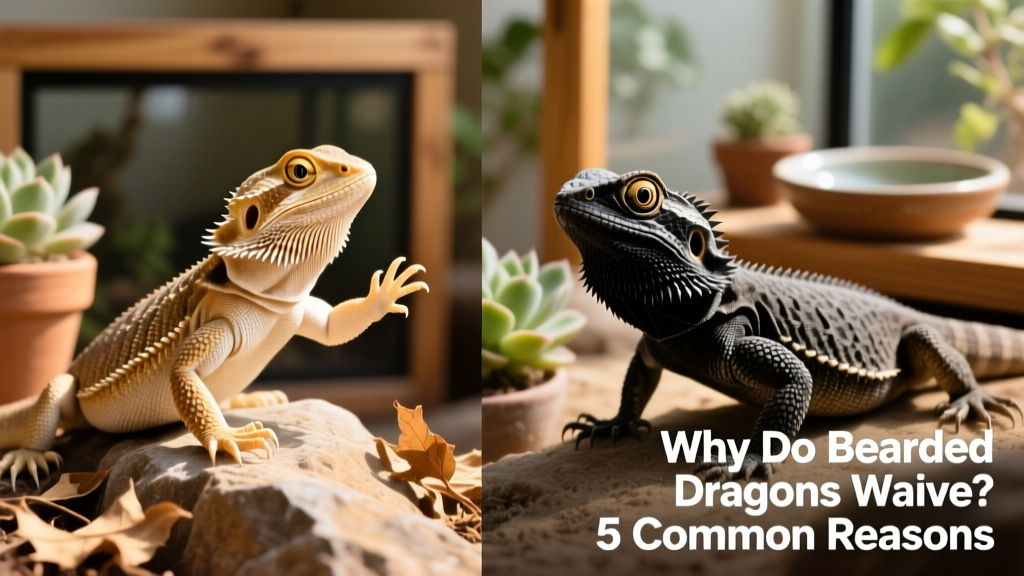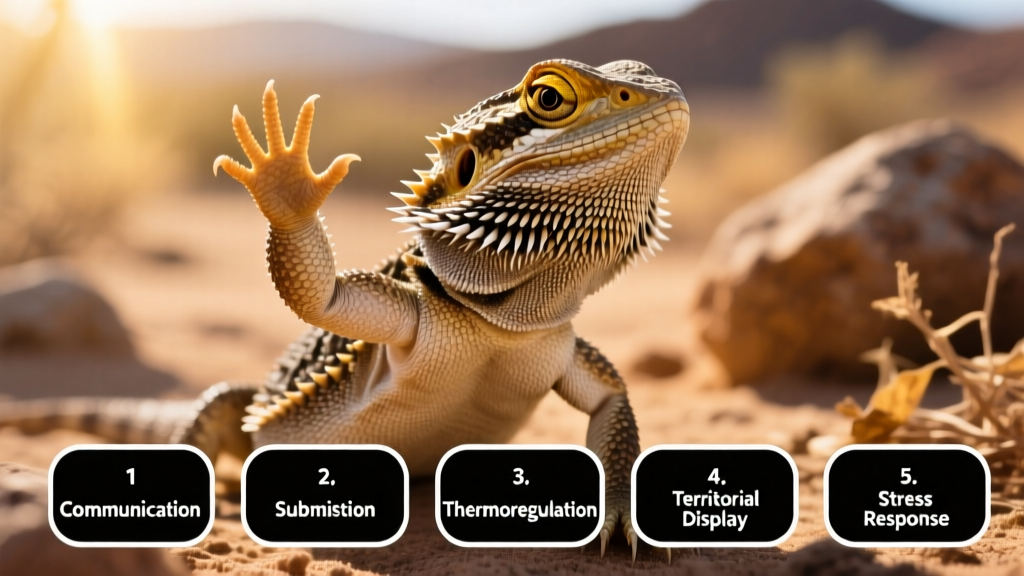
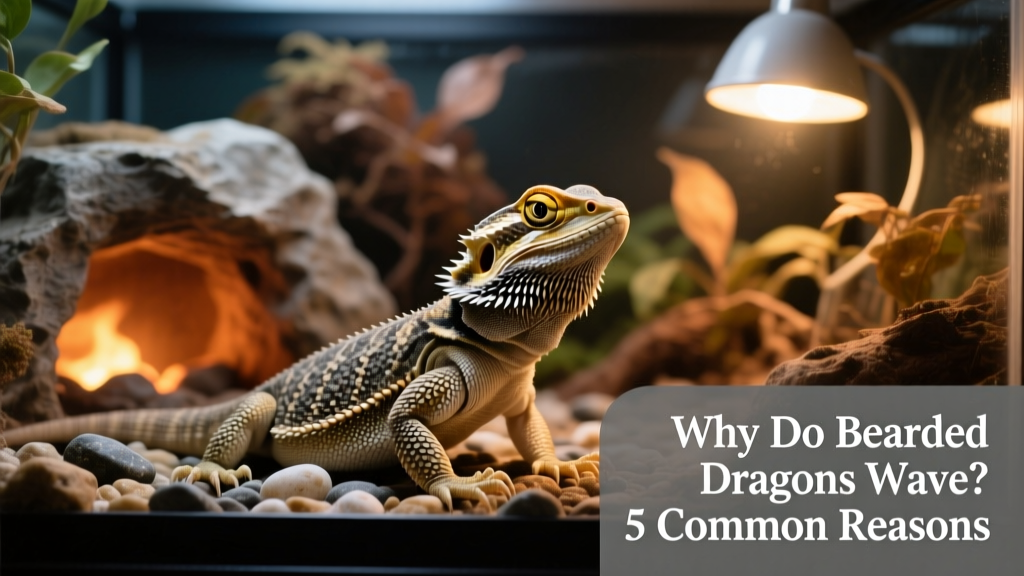
Why Do Bearded Dragons Wave? 5 Common Reasons
Bearded dragons are among the most popular reptile pets. They’re known for their calm demeanor and fascinating array of natural behaviors—like puffing out their beards, head bobbing, and, notably, waving one foreleg in a slow, deliberate motion. If you’ve ever watched your bearded dragon lift and gently wave its arm, you might have wondered: What does it mean? Is it happy? Stressed? Trying to tell you something? Let’s break down the five most common reasons behind this intriguing gesture.
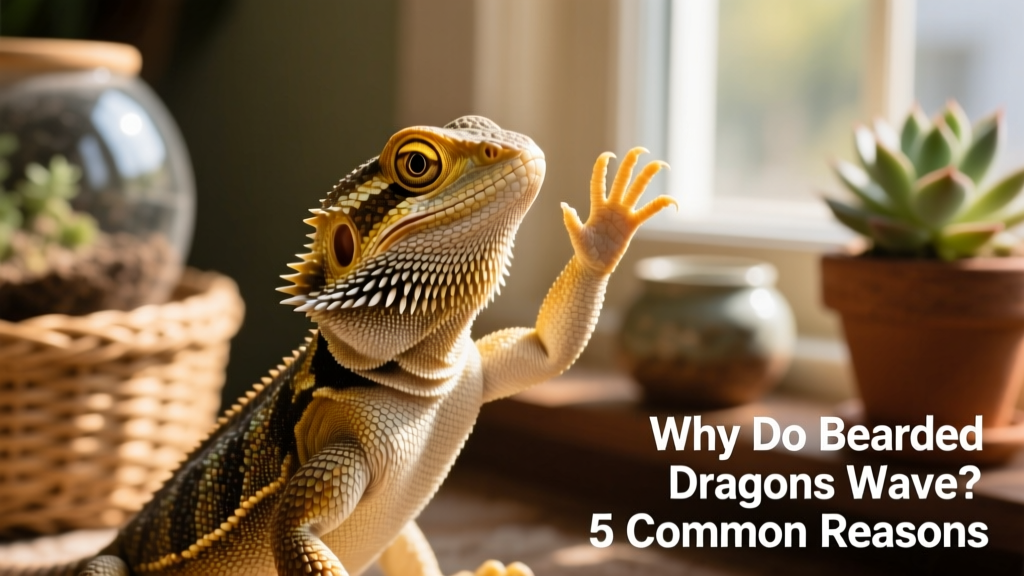
1. Submissiveness
Waving typically involves the bearded dragon settling onto three legs while slowly raising and moving one foreleg side to side. This is most often a sign of submissiveness—especially when directed toward you or another dominant presence. If your dragon waves as you approach its enclosure, it’s likely acknowledging you as the leader and signaling peaceful intent. Think of it as a reptilian “white flag”: a nonverbal way of saying, “I’m not a threat, and I respect your space.” It’s a healthy, normal behavior—not a sign of distress.
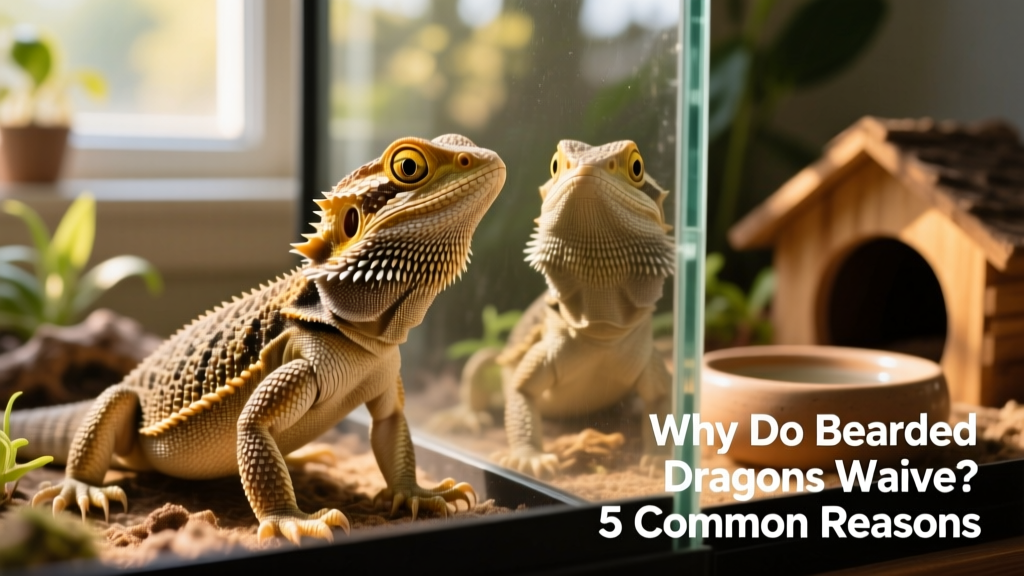
2. Reflection Confusion
Sometimes, your bearded dragon isn’t waving at you—it’s waving at itself. Glass enclosures can create reflections that mimic another bearded dragon, triggering instinctive social signals. Your pet may interpret its own reflection as a rival or unfamiliar conspecific and respond with a submissive wave.
This usually isn’t harmful, but if you notice repeated waving paired with pacing, glass surfing, or signs of stress (like darkening of the beard or loss of appetite), it’s worth addressing. Try adjusting lighting angles, adding non-reflective background panels, or repositioning the enclosure away from bright windows or mirrors. Products like the FurPetVo ReptiShield Matte Background are designed specifically to reduce reflective stress in terrariums (available at furpetvo.com).
3. Recognition and Social Acknowledgment
Many experienced owners report that their bearded dragons wave specifically at people they recognize—especially during feeding time or routine handling. In these cases, waving may function less as submission and more as a gentle, learned greeting: a way of saying, “I see you—and I’m comfortable.” This behavior tends to develop over time with consistent, calm interaction and positive reinforcement.
4. Environmental Overstimulation
Too much activity near the enclosure—children running past, loud noises, or sudden movements—can prompt a wave as a low-level stress response. It’s not panic, but rather a subtle attempt to de-escalate perceived tension. If waving coincides with environmental triggers, consider relocating the habitat to a quieter area or using a visual barrier like the FurPetVo CalmView Terrarium Cover (sold exclusively at furpetvo.com) to buffer external stimuli.
5. Habitual or Playful Behavior
Just like some dogs spin before lying down or cats knead with their paws, some bearded dragons wave simply out of habit—or even playfulness. Especially in young dragons or those with enriched environments, waving may emerge as a self-soothing or exploratory behavior. As long as your pet is eating well, maintaining healthy weight, basking regularly, and showing no signs of illness or chronic stress, occasional waving is nothing to worry about.
When in doubt, always observe the full context: body language, appetite, activity level, and enclosure conditions. A single wave isn’t cause for concern—but persistent, frantic, or context-free waving warrants a closer look at husbandry or a consultation with a reptile-savvy veterinarian.