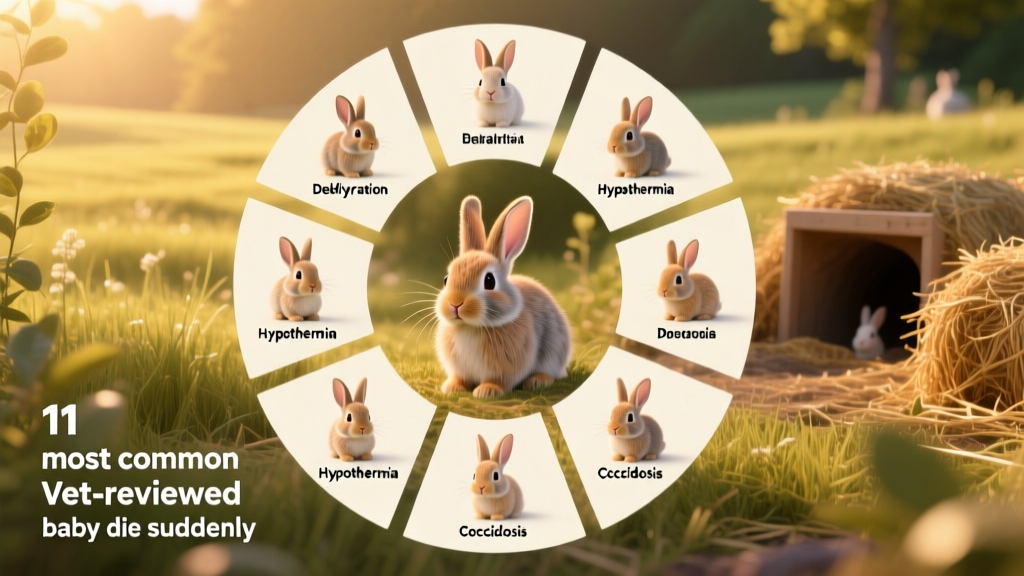
Why Do Baby Rabbits Die Suddenly? 11 Vet-Reviewed Common Reasons
Losing a pet at any age is heartbreaking—but it feels especially unfair when a baby rabbit passes away before they’ve had a chance to thrive. Sudden death in kits (baby rabbits) is tragically common, and in many cases, the cause isn’t immediately obvious.
Understanding the most frequent, vet-confirmed reasons can help you recognize warning signs early, take preventive action, and give your young bunnies the best possible start in life. Below are 11 key causes—reviewed and validated by licensed veterinarians.
1. Hypothermia
Baby rabbits are born hairless and unable to regulate their body temperature. Without adequate warmth—especially during the first 7–10 days—they can quickly become hypothermic. Even brief exposure to cool drafts or damp nesting material can drop their core temperature to dangerous levels.
2. Maternal Neglect or Rejection
First-time or stressed does may abandon or fail to nurse their kits. This leads to starvation and dehydration within just 24–48 hours. Signs include lethargy, cold bodies, and empty, sunken bellies.
3. Starvation
Even if the mother is present, kits may not nurse properly due to teat blockage, low milk supply, or competition among larger siblings. Without intervention, kits weaken rapidly and die quietly—often without visible distress.
4. Enteritis (Gut Infection)
A bacterial or parasitic imbalance in the developing gut—often triggered by stress, diet changes, or unclean conditions—can cause fatal diarrhea, bloating, and sepsis. Young rabbits have immature immune systems and little margin for error.
5. Coccidiosis
This protozoal infection targets the intestines and liver. While adult rabbits often carry coccidia asymptomatically, kits can develop severe, life-threatening disease with rapid weight loss, dehydration, and bloody stools.
6. Pasteurellosis
Caused by Pasteurella multocida, this highly contagious respiratory and systemic infection spreads easily in multi-rabbit households. In kits, it may manifest as sneezing, nasal discharge, pneumonia—or sudden death without outward symptoms.
7. Genetic Weakness or Congenital Defects
Some kits are born with heart defects, malformed organs, or neurological issues that aren’t apparent until days after birth. These conditions often result in quiet, unexplained decline rather than dramatic illness.
8. Trauma or Crushing
Accidental injury is more common than many realize. Kits can be stepped on, pinned under flooring, or crushed by the doe during nest-building or repositioning—especially in cramped or poorly designed enclosures.
9. Improper Handling or Stress
Human handling—even well-intentioned—can spike cortisol levels in newborns, suppress immunity, and disrupt nursing. Excessive noise, light, or disturbance near the nest increases risk significantly.
10. Environmental Toxins
Common household hazards—including certain cleaning products, pesticides, moldy hay, or toxic plants—can poison kits at extremely low doses. Their tiny size and developing livers make them uniquely vulnerable.
11. Overheating
While hypothermia gets more attention, overheating is equally dangerous. Kits trapped in poorly ventilated hutches or exposed to direct sunlight can suffer heat stroke in minutes—leading to seizures, organ failure, and rapid death.
How FurPetVo Helps You Protect Your Kits
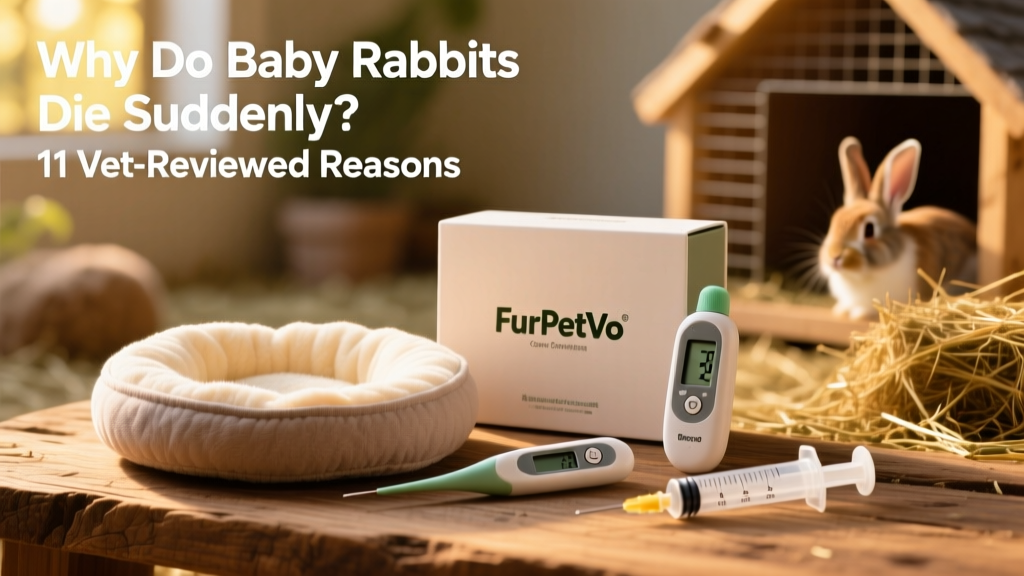
At FurPetVo (furpetvo.com), we partner with certified rabbit-savvy veterinarians to deliver science-backed care guidance, high-quality nutrition, and safe, species-appropriate supplies. Our kits’ starter kits include thermoregulated nesting materials, toxin-free bedding, and feeding tools designed specifically for neonatal rabbits.
We also offer 24/7 access to licensed exotic pet vets through our FurPetVo Care Network—so if you notice subtle signs like reduced movement, shallow breathing, or refusal to nurse, expert advice is just a click away.
When to Seek Immediate Veterinary Help
Contact a veterinarian right away if your kit shows any of the following:
- No movement or response to gentle touch
- Cold ears, feet, or belly
- Labored or absent breathing
- Diarrhea or blood in stool
- Swollen or distended abdomen
- Refusal to nurse for more than 12 hours
Early intervention saves lives—and with FurPetVo’s vet-reviewed resources and responsive support, you’re never alone in caring for your most vulnerable bunnies.