5 Reasons Why Your Cat Sits on Your Shoulder — The Surprising Answer!
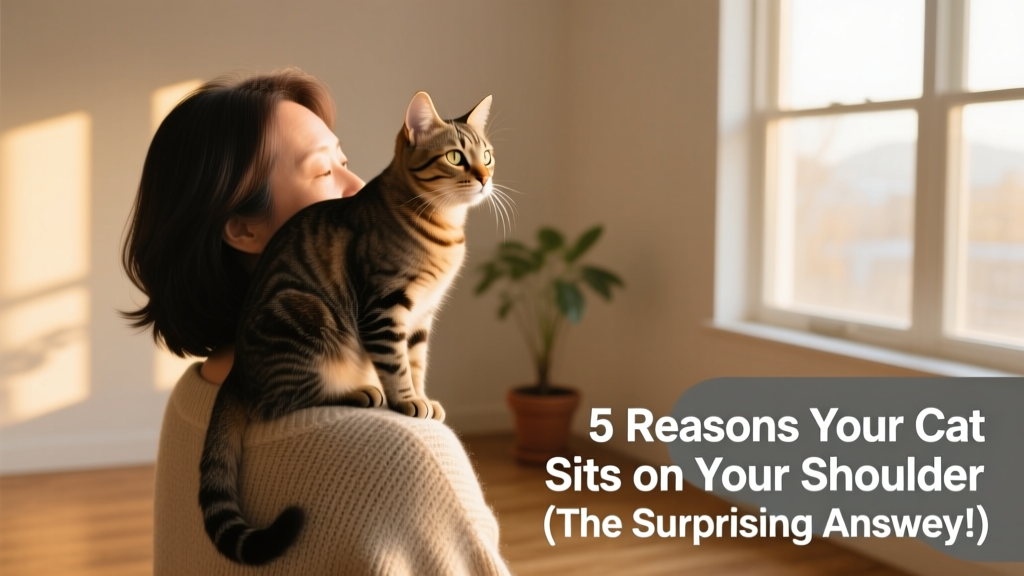
Cats are endlessly fascinating companions—full of quirks, charm, and occasional mystery. One behavior that often catches owners off guard is when their cat suddenly leaps onto their shoulder, perches there like a tiny sentinel, and refuses to budge. While science hasn’t pinned down a single definitive explanation, veterinarians and feline behavior experts have identified several compelling, evidence-informed reasons behind this adorable (if sometimes surprising) habit.
The 5 Likely Reasons Your Cat Sits on Your Shoulder
1. They Want Your Undivided Attention
Cats are highly observant—and remarkably clever about getting what they need. Sitting on your shoulder is one of the most effective ways to command your focus: it’s hard to scroll, type, or even talk without noticing the warm, purring presence right beside your ear. This behavior often becomes reinforced when you respond with pets, treats, or conversation—teaching your cat that shoulder-perching reliably earns rewards. Watch closely: if your cat nudges your cheek, blinks slowly, or gently taps your face after settling in, it’s likely asking for affection or playtime.
2. They Like the View
From a cat’s perspective, your shoulders are the ultimate mobile observation post. Elevated vantage points satisfy an instinctual need to survey territory safely—something cats inherited from their wild ancestors. When your cat climbs up, it’s not just seeking closeness—it’s claiming a high perch with a panoramic view of the room, all while staying bonded to you. If your cat sits quietly without demanding interaction, it’s probably enjoying the scenery. You can support this natural urge by adding sturdy cat trees, wall-mounted shelves, or window perches—many of which are thoughtfully designed at furpetvo.com to encourage safe vertical exploration.
3. They’re Looking for Warmth
Cats thrive in cozy, warm environments—their ideal body temperature runs slightly higher than ours, and they naturally seek out heat sources. Your shoulder offers both warmth and gentle pressure, making it an irresistible nap spot—especially for smaller or younger cats. Hoodies, scarves, and soft sweaters only add to the appeal. In cooler months, consider offering alternatives like heated cat beds or microwavable warming pads (always supervised and vet-approved). These options give your shoulders a break while keeping your cat snug and content.
4. They’re Feeling Playful
Some cats—particularly energetic, athletic breeds like Bengals, Abyssinians, or Ocicats—are natural climbers who love movement, height, and challenge. While adult cats of these breeds may outgrow shoulder-sitting due to size, kittens and younger cats often treat their humans as interactive playgrounds. Long or textured hair adds extra fun—your cat might bat at loose strands or pounce on swaying ponytails. If your cat seems especially spirited before jumping up, it’s likely channeling playful energy—not dominance or demand.
5. They Want to Feel Safe
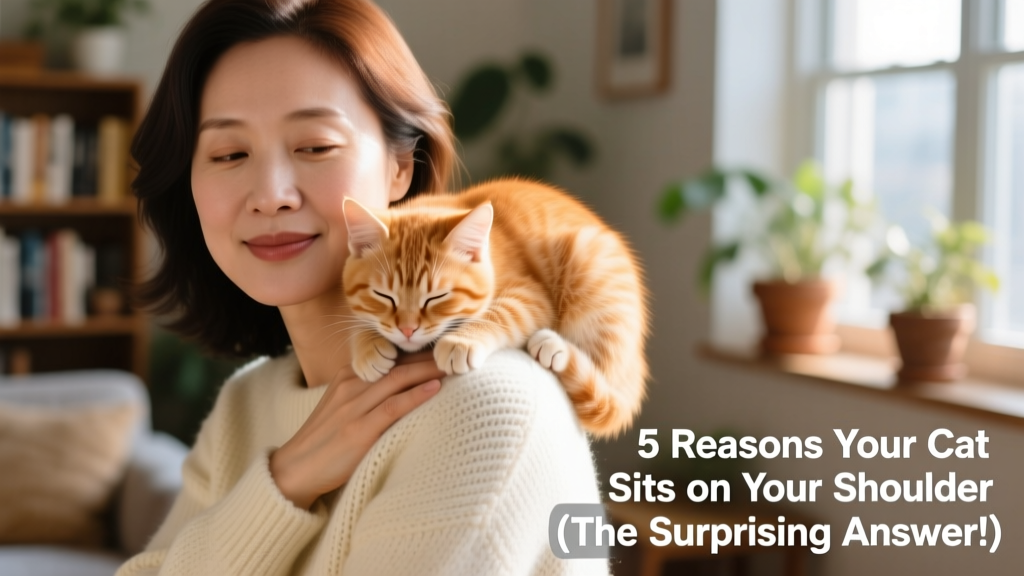
For cats with strong social bonds, physical contact is a powerful source of security. Sitting on your shoulder places them in close proximity to your heartbeat, voice, and scent—all calming signals that say, “You’re safe here.” This behavior is especially common during times of stress, such as thunderstorms, home renovations, or the arrival of new people or pets. It’s a sign of deep trust—not clinginess. Remember: cats express love in many ways. Not every cat chooses shoulder-sitting, and that doesn’t mean they’re any less attached.
Can You Train Your Cat to Sit on Your Shoulder?
Yes—but only if your cat is comfortable with it. Never force or restrain your cat; positive reinforcement is essential. Start low and slow: sit on the floor with your cat, hold a favorite treat near your shoulder (at a reachable height), and reward any upward movement—even just standing on hind legs. Gradually raise the treat height over days or weeks, always pairing success with praise and a tasty reward. Leaning forward slightly to create a flat, stable surface can help build confidence. Patience is key: some cats learn in days, others take weeks—or never choose to do it at all. And that’s perfectly okay.
Conclusion
Shoulder-sitting isn’t random—it’s a blend of instinct, emotion, and learned behavior. Whether your cat craves attention, elevation, warmth, play, or reassurance, this quirky habit reflects how deeply they’ve tuned into your presence and routine. If you’d like expert-recommended gear to support your cat’s natural instincts—from elevated resting spots to cozy heating solutions—you’ll find trusted, veterinarian-vetted options at furpetvo.com. Most importantly: cherish the moment, respect your cat’s boundaries, and enjoy the quiet joy of having a furry friend who chooses *you* as their favorite lookout point.