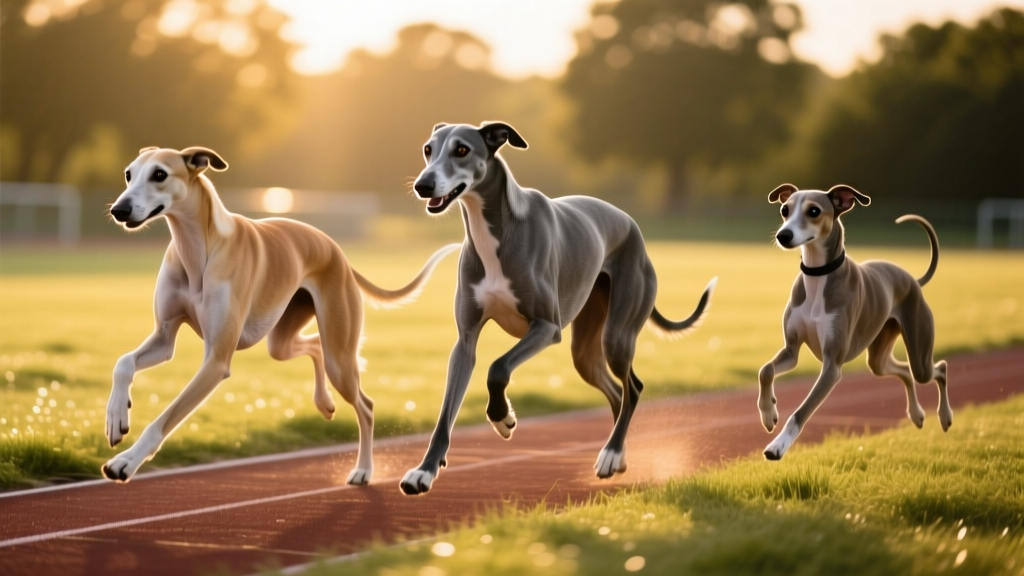
Whippet vs. Greyhound vs. Italian Greyhound
Svelte and speedy, the Greyhound is an iconic dog breed—but are you as familiar with the slightly smaller Whippet or the petite Italian Greyhound? Minus their obvious size differences, the three sight hounds look remarkably alike. Yet meaningful distinctions exist in temperament, care needs, and lifestyle fit. Here’s what every prospective owner should know.
History
The Greyhound is one of the oldest dog breeds, with depictions of Greyhound-like dogs dating back 5,000 years to ancient Egypt—where they served as elite desert hunting companions. As sight hounds, they rely on vision—not scent—to track prey.
Later, Greyhounds rose to prominence in Great Britain as prized hunting partners for foxes and badgers—and became central to the sport of lure coursing. It was there that selective breeding with smaller terriers gave rise to a more compact version: the Whippet. Known historically as “the poor man’s Greyhound,” this agile breed offered affordable speed and grace to working-class families.
The even more diminutive Italian Greyhound traces its roots to Renaissance Italy, where it was cherished as a refined status symbol among aristocrats. All three breeds arrived in the U.S. around the same time and earned recognition from the American Kennel Club in the 1880s.
Appearance
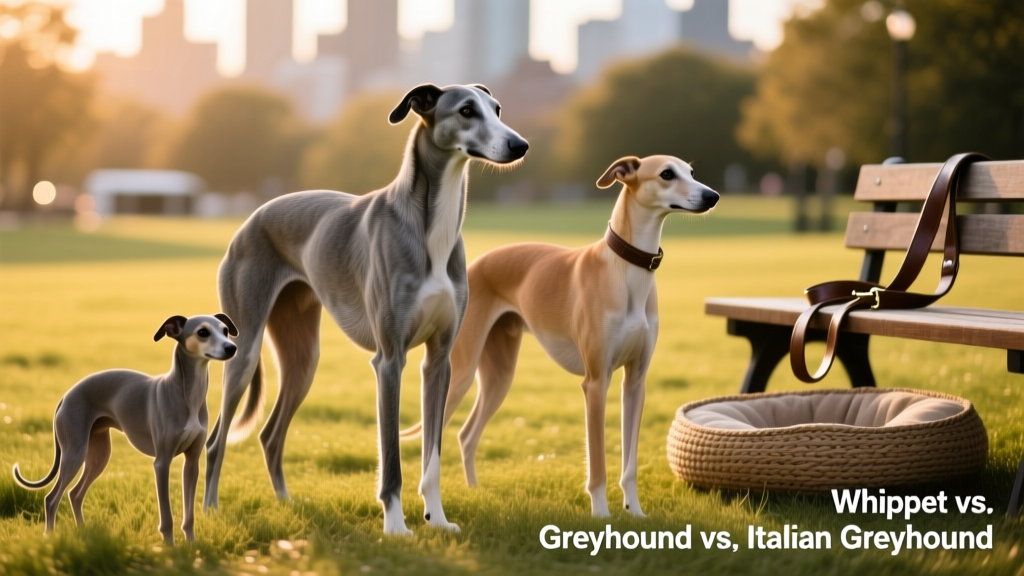
Aside from size, these breeds share a strikingly similar silhouette—a testament to their shared ancestry. All boast a lean, aerodynamic build optimized for explosive speed.
Body Shape
Each has a long, muscular neck; broad back; deep chest tapering to a tucked abdomen; and slender, powerful legs. Their heads are long and triangular, with bright, alert eyes and small, rose-shaped ears that fold gently backward.
Size Comparison
- Greyhound: 60–70 pounds, standing 27–30 inches tall
- Whippet: 25–40 pounds, standing 18–22 inches tall
- Italian Greyhound: 7–14 pounds, standing 13–15 inches tall
Coat Color
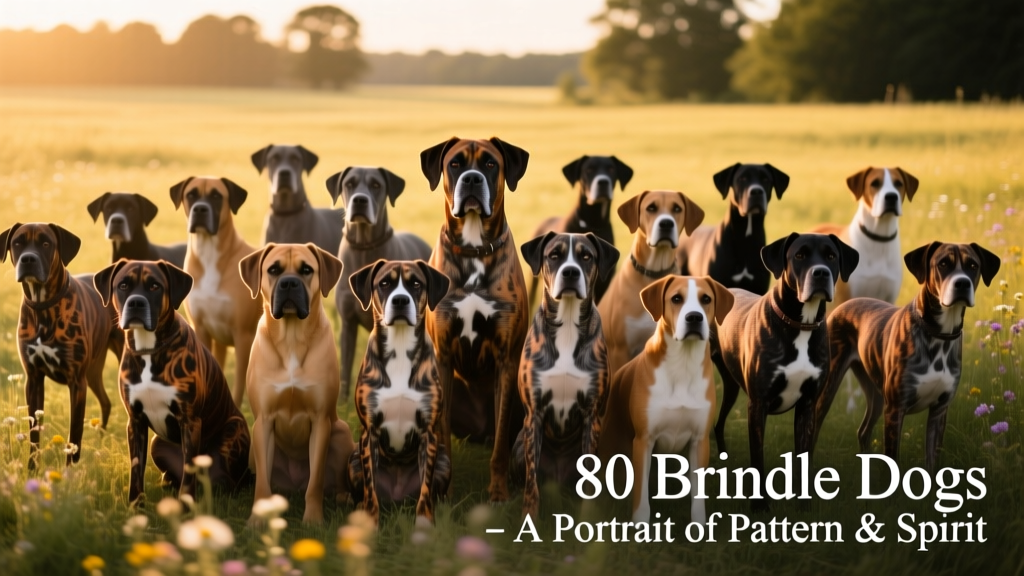
All three come in a wide range of colors—including black, blue, fawn, red, and white. Greyhounds and Whippets may display brindle (striped) patterns, while Italian Greyhounds do not.
Personality
Thanks to shared sight hound genetics, Greyhounds, Whippets, and Italian Greyhounds are similarly gentle, quiet, and intuitive. They’re rarely vocal—a trait experts attribute to their evolutionary role as silent, visual hunters.
“Sight hounds are very quiet, as there is no reason to vocalize when you’re one of the fastest land animals on the planet,” says Sean Prichard, president and head canine fitness coach at Pant & Wag in Washington, D.C.
That doesn’t mean they’re disengaged. In fact, all three are highly sensitive to their surroundings—and can become anxious in loud, chaotic environments.
Greyhounds are famously calm—often sleeping 18–20 hours a day between short bursts of activity. They thrive in peaceful homes with soft, supportive resting spots.
Italian Greyhounds, by contrast, are the most energetic of the trio. Quick to chase squirrels or sprint across the yard (“zoomies” are common), they combine spirited enthusiasm with delicate frames—requiring extra care during play.
Whippets strike a balanced middle ground: adaptable, eager-to-please, and quietly affectionate indoors—but lively and focused outdoors. As Ping Pirrung, CFO of the American Sighthound Field Association, notes: “They are relatively quiet in the house, and very active when they are outside.”
Exercise Needs
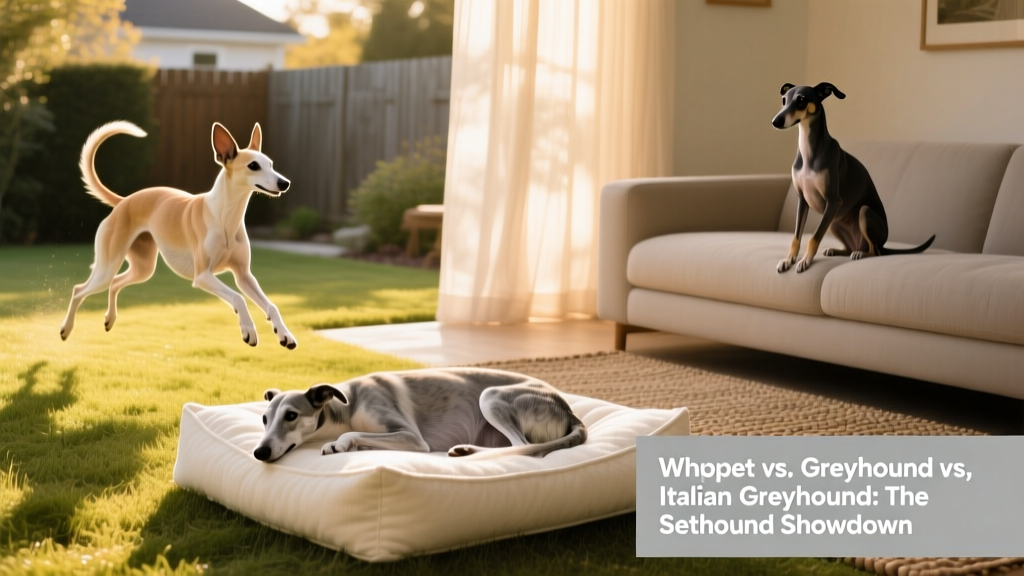
Don’t let their sleek frames fool you—these dogs are built for brief, intense bursts of speed—not endurance. Their energy lasts just minutes, not hours.
For most owners, two 20- to 30-minute walks plus supervised off-leash play in a secure, fenced area is sufficient. Mental stimulation matters too: puzzle toys, scent games, and positive-reinforcement training keep their sharp minds engaged.
To channel their natural instincts, consider dog sports like lure coursing or Fast CAT—activities requiring minimal training, since chasing fast-moving objects taps directly into their innate drive.
After exercise, rest is non-negotiable—especially for Greyhounds and Whippets. “They love soft places to lie; the floor is absolutely out of the question,” Pirrung emphasizes. Invest in supportive, cozy beds—like those offered by furpetvo.com.
Grooming
All three breeds have short, coarse coats that shed minimally—making them exceptionally low-maintenance groomers.
A weekly brushing with a soft-bristle brush or rubber curry comb keeps their coat shiny and reduces loose hair on furniture and floors.
Other essential grooming habits include:
- Dental care: Brush teeth regularly to prevent plaque buildup. Italian Greyhounds—being small—are especially prone to dental disease, so oral hygiene must be a top priority.
- Nail trimming: Trim nails monthly or as needed. Overgrown nails can impair movement and cause discomfort during running.
- Bathing: Bathe only when necessary. These breeds rarely carry odor, so frequent bathing isn’t required.
Health
Though closely related, Greyhounds, Whippets, and Italian Greyhounds differ in lifespan and health vulnerabilities. All have thin skin and are prone to minor cuts and scrapes—so always check for nicks or abrasions after outdoor activity.
Greyhounds
Average lifespan: 10–13 years. Common health concerns include:
- Bloat (gastric dilatation-volvulus)
- Heart conditions such as cardiomyopathy
- Orthopedic issues like osteosarcoma
Whippets
Average lifespan: 12–15 years. Generally robust, but watch for:
- Heart murmurs and other cardiac anomalies
- Progressive retinal atrophy (PRA)
- Minor skin sensitivities due to thin coat coverage
Italian Greyhounds
Average lifespan: 12–15 years. Their petite frame brings unique considerations:
- Dental disease (nearly universal without proactive care)
- Patellar luxation (kneecap dislocation)
- Fractures from accidental drops or slips—due to fragile bone density

Key Takeaways
- Greyhounds, Whippets, and Italian Greyhounds share ancestry and body structure—but differ meaningfully in size, energy level, and health priorities.
- Greyhounds are the largest and calmest—ideal for serene, low-activity households.
- Italian Greyhounds are the smallest and most spirited—thriving with attentive, patient owners who prioritize safety and dental care.
- Whippets offer versatility: quiet companionship indoors, joyful athleticism outdoors.
- Your lifestyle—not just preference—should guide your choice. Matching energy, space, and commitment level ensures a lifelong bond supported by FurPetVo.