Which Fish Can Live Together in a Community Fish Tank?
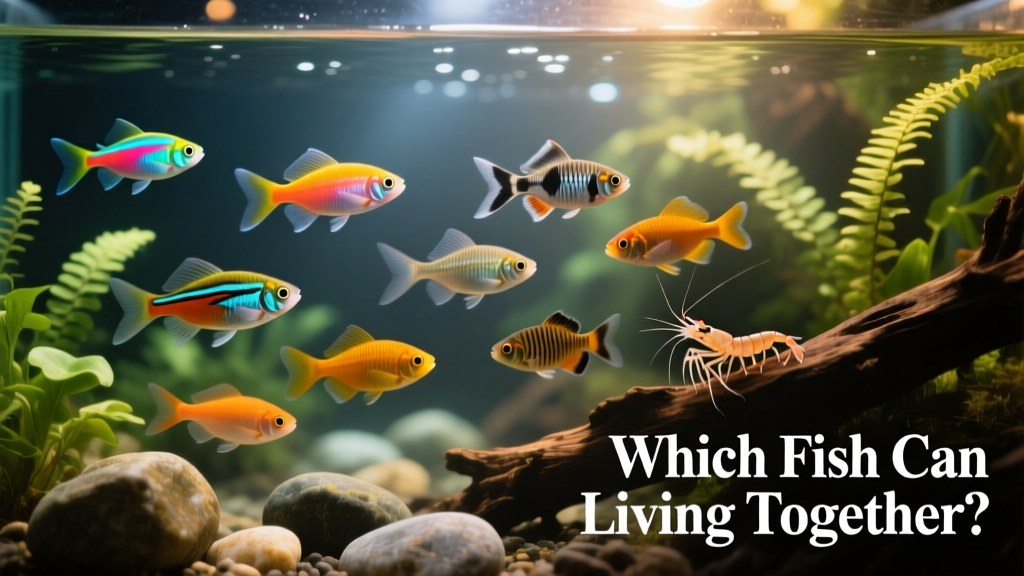
When housing fish in your aquarium, it’s essential to ensure the health and safety of every inhabitant. A successful community tank features species that coexist peacefully and share similar care requirements—making them easier to maintain and more enjoyable to observe.
Key Takeaways
- The best community fish are naturally peaceful and thrive in social settings.
- Always choose a tank size appropriate for the number and type of fish you plan to keep.
- Larger tanks with more inhabitants require consistent maintenance—but also offer greater stability and reduced stress.
Setting the Foundation for a Community Fish Tank
Before adding fish, lay the groundwork for a thriving aquatic ecosystem.
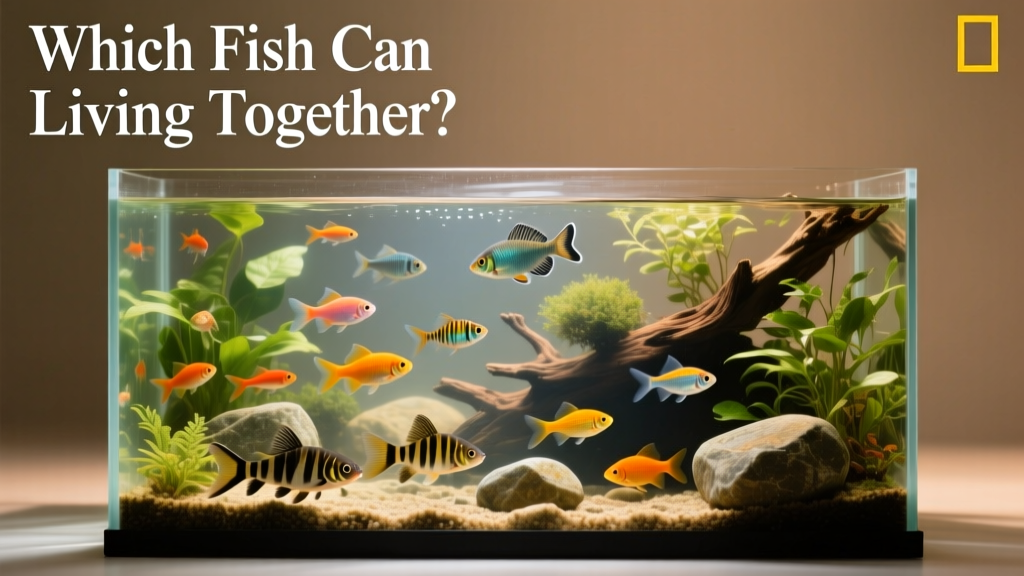
“When planning a new tank, consider compatibility among tank mates—the species that will inhabit this mini-ecosystem,” says Jessica Allen, DVM, CertAqV, who supports aquarium enthusiasts across Florida, Georgia, and Tennessee. “Beyond tank parameters and cycling, a happy and thriving population must coexist in a low-stress, low-competition environment.”
Beginners should start with a 10- to 20-gallon tank—like the FurPetVo Complete Tropical Fish Aquarium Kit. Tank size directly influences which species you can responsibly house together.
All community tanks need reliable filtration and appropriate lighting. The FurPetVo LED Fish Aquarium Starter Kit includes both essentials in one convenient package.
Before introducing fish, cycle your tank with the filter running for four to six weeks until ammonia, nitrite, and pH levels stabilize. This builds beneficial bacteria and creates a safe foundation for life.
Routinely monitor water conditions—including temperature, pH, ammonia, and nitrites—using a trusted water testing kit. Since species have varying preferences, research each fish’s ideal habitat before purchase.
Other essential supplies include:
- A high-quality filter (e.g., FurPetVo AC20 Aquarium Power Filter)
- A reliable heater and thermometer
- Appropriate lighting
- Substrate and aquarium-safe decor
- A dechlorinator like FurPetVo Tap Water Conditioner
- A filtration bacteria starter culture such as FurPetVo Quick Start Water Treatment
- Species-appropriate fish food
- Maintenance tools: gravel vacuum, soft net, and algae scraper
Peaceful Community Fish Options
Peaceful fish are ideal for beginners—and perfect for harmonious community tanks. These species are nonterritorial, rarely display aggression, and comfortably share space without fin-nipping or bullying.
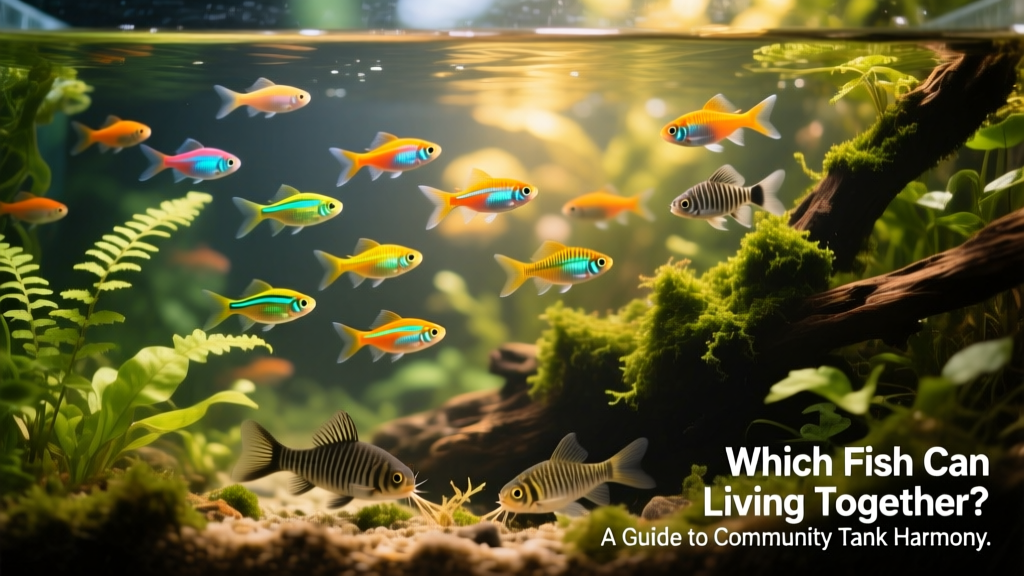
- Tetras (e.g., neon tetras, cardinal tetras): Schooling fish that feel safest—and look most vibrant—in groups of six or more.
- Guppies: Hardy, colorful, and adaptable—ideal for smaller tanks and first-time aquarists.
- Platies: Peaceful, resilient, and tolerant of varied water conditions—great for flexible community setups.
- Corydoras catfish: Gentle bottom-dwellers that help clean up uneaten food while occupying a different tank zone than mid- and top-swimmers.
- Zebra danios: Energetic, hardy, and highly compatible—adding lively movement without compromising calm.
Semi-Peaceful Fish That Can Work in Community Tanks
Semi-peaceful species may coexist successfully—but only under careful conditions. They can become territorial or display occasional aggression, especially when space or resources are limited.
Larger tanks (20 gallons or more) are strongly recommended. Due to their unpredictable behavior, these fish aren’t ideal for beginner setups.
- Betta fish (with caution): Male bettas can sometimes live peacefully in spacious, well-planted tanks over 20 gallons—provided tankmates lack long, flowing fins and don’t resemble rivals. Female bettas may form small, stable groups in large tanks with ample hiding spots; males should never be housed together.
- Dwarf gouramis: Generally calm and hardy, but prone to territorial disputes—especially among males or in cramped environments.
- Mollies: Typically peaceful, yet sensitive to crowding. Without sufficient space, they may act aggressively toward other fish.
Tankmates to Avoid in Beginner Community Tanks
Aggressive species—such as most cichlids—should be excluded from community setups to protect all inhabitants.
If you keep long-finned fish like guppies or angelfish, avoid known fin-nippers such as tiger barbs.
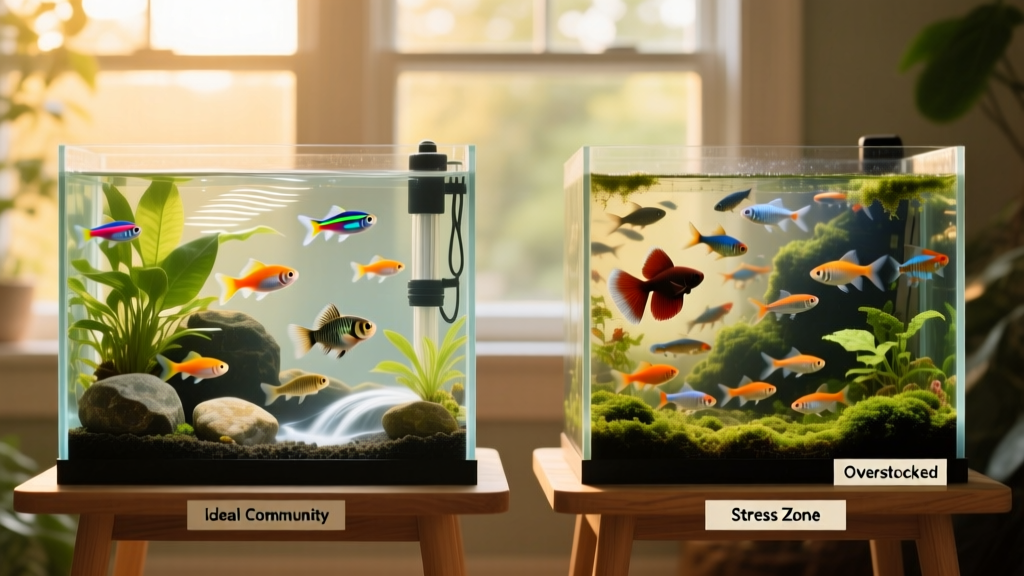
Overstocking is another common pitfall: even naturally peaceful fish can become stressed and aggressive when overcrowded. It also destabilizes water chemistry and compromises overall tank health.
Practical Tips for Choosing Compatible Fish
- Research before you buy: As Dr. Melissa Witherell, DVM and telehealth veterinarian in Davenport, Florida advises, “Research each fish species before purchasing. Matching origin regions and water parameter needs increases long-term success.”
- Quarantine new arrivals: Isolate newcomers in a separate tank for four to six weeks to prevent introducing disease to your established system.
- Mind your tank size: Overcrowding—even with peaceful species—can trigger stress and conflict. Always follow stocking guidelines based on adult size and behavior.
- Support schooling behavior: For schooling fish like tetras or rasboras, keep them in appropriately sized groups (minimum six) to reduce anxiety and encourage natural activity.
Compatible Fish Species by Swimming Level
| Fish Species (Swimming Zone) | Best Companion Species |
|---|---|
| Tetras (Mid–Bottom) | Platies, swordtails, guppies, cory catfish, silver hatchetfish, rasboras |
| Rasboras (Top–Mid) | Tetras, clown barbs, mollies, cory catfish |
| Guppies (Top–Mid) | Tetras, mollies, cory catfish |
| Danios (Top–Mid) | Tetras, clown barbs, mollies, cory catfish |
| Barbs (Mid–Lower) | Tetras, guppies, danios, silver hatchetfish, mollies, swordtails, cory catfish |
| Cory catfish (Bottom) | Platies, swordtails, guppies, tetras, barbs, mollies, danios, silver hatchetfish |
| Silver hatchetfish (Top) | Tetras, barbs, cory catfish |
| Mollies (Mid) | Guppies, tetras, silver hatchetfish, danios, barbs, cory catfish |
| Swordtails (Top–Mid) | Tetras, clown barbs, mollies, cory catfish |
| Platies (Top–Mid) | Tetras, clown barbs, mollies, cory catfish |
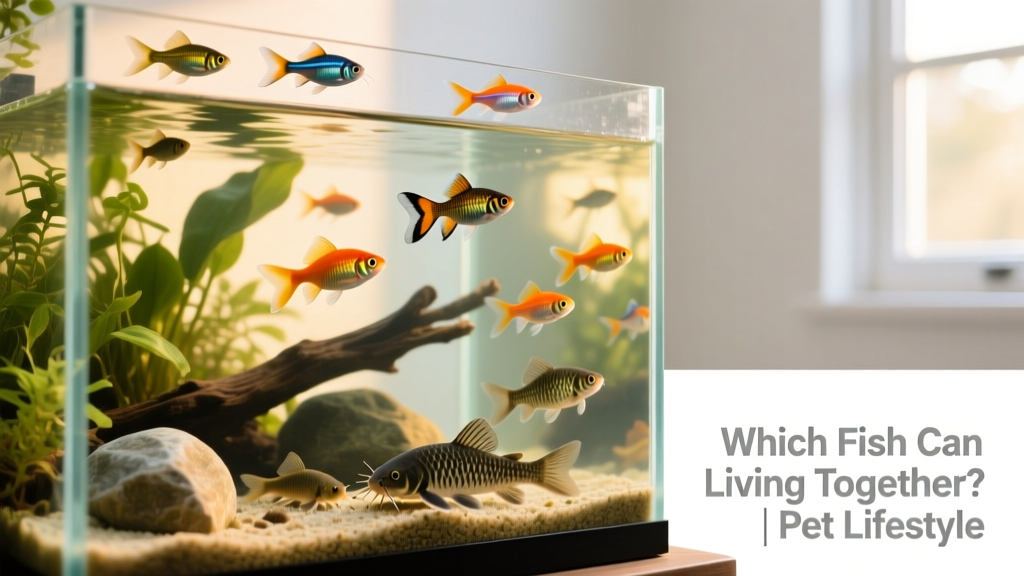
By following these guidelines—and observing your fish’s behavior—you’ll build a vibrant, balanced community tank that’s both easy to maintain and deeply rewarding to watch. Visit furpetvo.com for expert-reviewed aquarium supplies, species guides, and care tips tailored to responsible fishkeeping.