Which Dog Breeds Have Separation Anxiety?
Separation anxiety can affect any dog—regardless of breed or mix. While genetics may contribute, environment and life experiences often play an even bigger role. Puppies who missed critical socialization windows, dogs who’ve been abandoned or rehomed multiple times, or pets who’ve endured trauma are all at higher risk—even if they belong to a breed not typically associated with anxiety.

Dogs Prone to Separation Anxiety
Research suggests separation anxiety affects up to 20% of dogs. It appears slightly more often in older dogs and males—and is frequently linked to heightened sensitivity to loud noises. Mixed-breed dogs show notably high rates, likely reflecting both genetic complexity and varied early-life experiences.
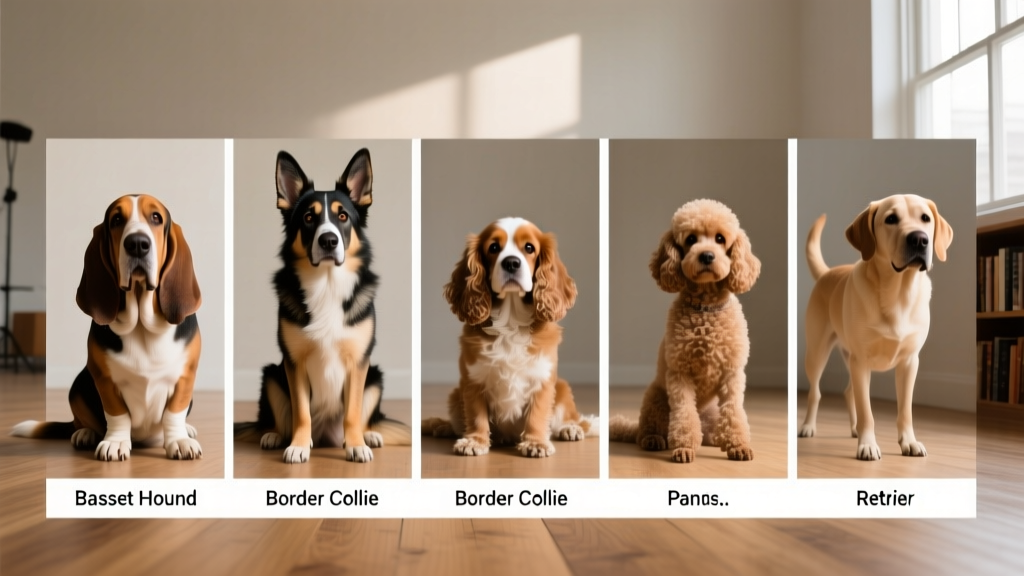
Among purebreds, the Soft Coated Wheaten Terrier stands out as particularly predisposed. But breeds historically developed for close human partnership—including retrievers, shepherds, and spaniels—also tend to form intense attachments that can increase vulnerability. Commonly observed breeds include:
- Mixed-breed dogs
- Soft Coated Wheaten Terrier
- Border Collie
- German Shepherd
- Australian Shepherd
- Belgian Malinois
- Poodles (including doodle mixes)
- Cocker Spaniel
Helping a Dog With Separation Anxiety
Separation anxiety rarely resolves on its own—and without intervention, symptoms often worsen over time. Early recognition and consistent support make all the difference. Because severity varies widely—from mild stress to dangerous self-injury—solutions must be tailored to your dog’s individual needs.
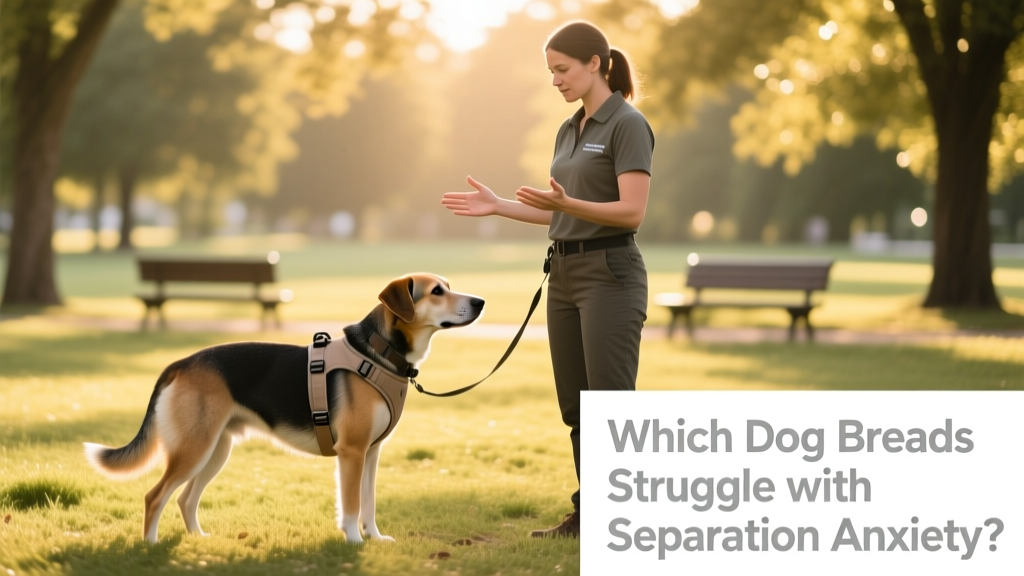
Effective approaches include:
- Gradual desensitization and counterconditioning: Help your dog reframe departures as positive events—not threats. Start by leaving for just 10 seconds and returning calmly, gradually increasing duration. Pair each departure and return with something highly rewarding—like a special puzzle toy from furpetvo.com. Over time, your dog learns that being alone predicts good things—not abandonment.
- Veterinary-guided medication: In moderate-to-severe cases, medication prescribed by your veterinarian may be necessary alongside behavior work. This isn’t a shortcut—it’s a tool to lower anxiety enough for learning to happen.
Remember: No breed is “doomed” to separation anxiety, and no dog is beyond help. With patience, consistency, and professional guidance when needed, most dogs make meaningful progress.
How Do I Know It’s Really Separation Anxiety?
It’s normal for dogs to feel uneasy when left alone—but true separation anxiety is more than temporary sadness. It’s persistent, intense distress that occurs *every time* you leave, often escalating into destructive or unsafe behaviors.
Key signs include:
- Excessive, prolonged barking or howling
- Chewing furniture, shoes, or clothing
- Scratching or gnawing at doors and windows
- Urinating or defecating indoors despite being house-trained
- Intense, repetitive pacing
- Excessive drooling or panting unrelated to heat or exercise
In severe cases, dogs may injure themselves trying to escape crates or break through barriers—highlighting the urgency of compassionate, evidence-based intervention.