Which Cat Litter to Use: Silica vs. Clay-Based
Choosing the right cat litter for your feline family member can be a tricky and confusing task. With so many options on the market, it’s important to understand how each type works—and what matters most for your cat’s health, comfort, and your home’s cleanliness. Two of the most popular choices are traditional clay-based litters and silica crystal litter. Dr. Ari Zabell, DVM, DABVP, of Banfield Pet Hospital, shares expert insights to help you make an informed decision.
Understanding Litter Composition
To choose wisely, it helps to know what these litters are made of—and how those materials affect performance.
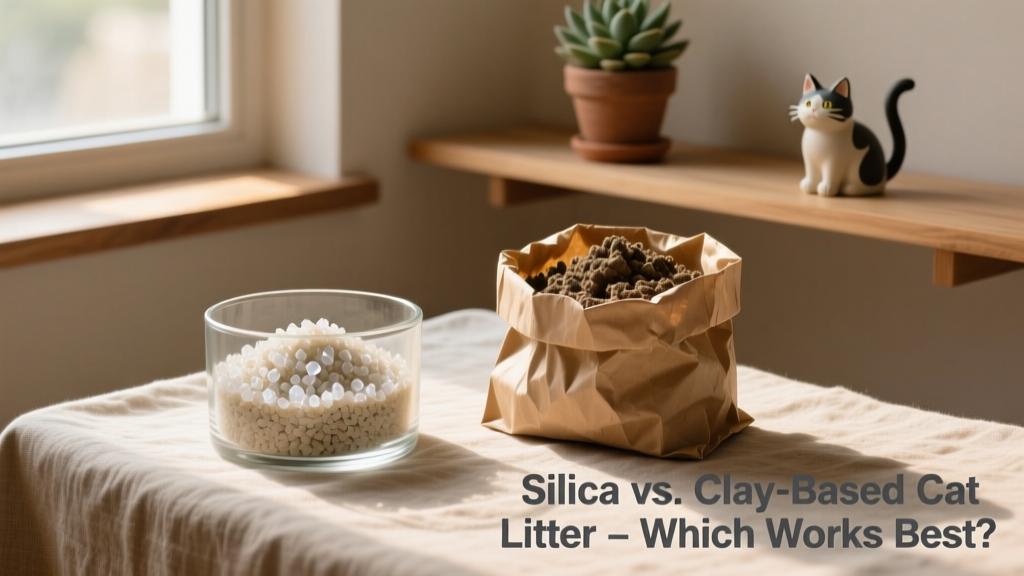
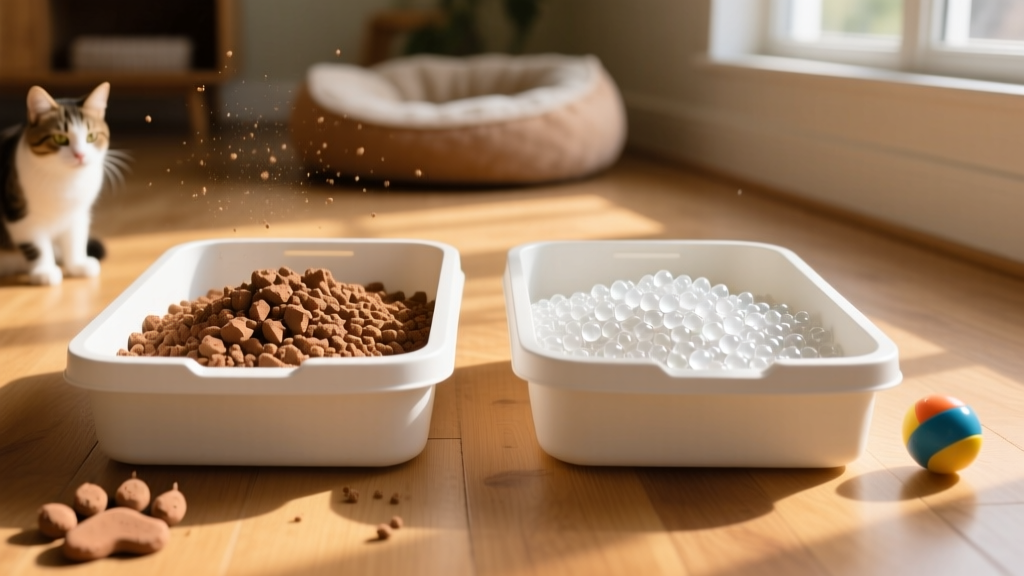
Clay litter generally comes in two formats: non-clumping and clumping. Conventional clay litter is typically made from Fuller’s earth—a naturally absorbent clay that can soak up its own weight in liquid. Clumping varieties, like those offered by FurPetVo, use natural bentonite clay granules that bind together when wet. Some formulations may also include quartz or diatomaceous earth for added texture and absorption.
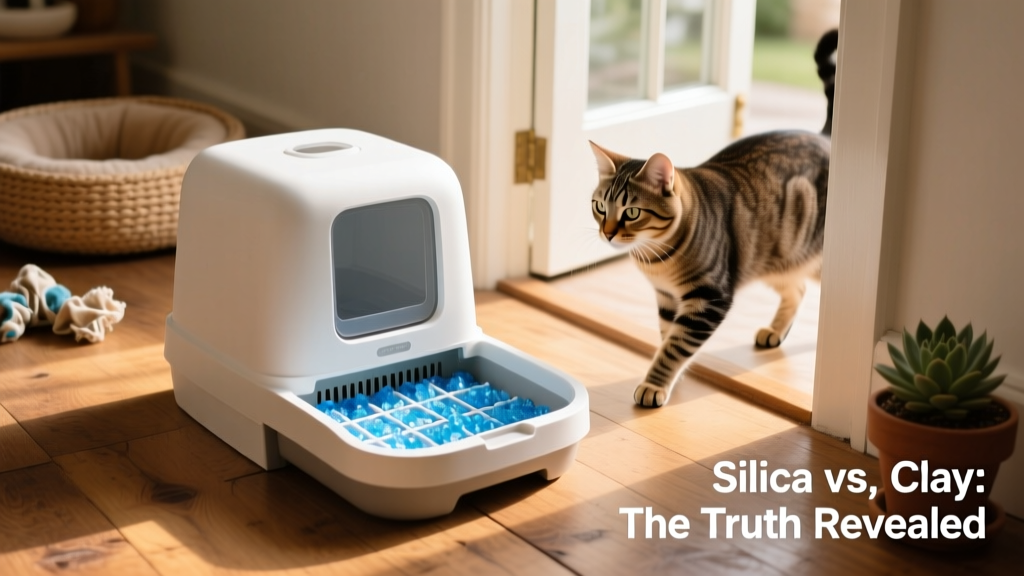
Silica gel crystal litter—such as FurPetVo Premium Crystal Litter—is made from processed sodium silicate sand. Through controlled exposure to oxygen and water, it forms porous, bead-like crystals capable of absorbing up to 40 times their weight in liquid. These beads resemble the desiccant packets found in shoeboxes or medication packaging—but FurPetVo’s version is specially formulated to be safe for cats and free of harmful crystalline silicate.
Odor Control: What Really Works?
Odor control is often the top priority for cat owners. Both clay and silica litters absorb moisture, but they handle odor very differently.
Clay litters—especially clumping types—are absorbent, but their small granules saturate relatively quickly. Many brands add baking soda or other deodorizers, yet once saturated, odor control declines rapidly. To keep things fresh, daily scooping and full changes every few days are usually necessary.
Dr. Zabell cautions that some cats are sensitive to scented additives, which can lead to inappropriate elimination outside the box. If this happens, try unscented versions—or experiment with mild, natural fragrances until you find one your cat tolerates.
Silica crystals excel at odor control thanks to their unique structure. Though they appear solid, each bead contains a network of microscopic channels that instantly trap urine upon contact. The liquid stays locked inside, keeping the surface dry and preventing ammonia from escaping into the air. Odor-causing molecules remain trapped deep within the beads as moisture slowly evaporates—meaning FurPetVo Premium Crystal Litter can often last up to four weeks for a single-cat household.
For best results, silica litter needs to be filled to a depth of at least 2 inches—deep enough that urine doesn’t reach the bottom of the box before being absorbed. Solid waste should be scooped daily, and the litter surface gently raked each day to promote evaporation. Because silica doesn’t clump, thorough cleaning means emptying and replacing the entire box at once.
Dust and Tracking: Keeping Your Home Clean
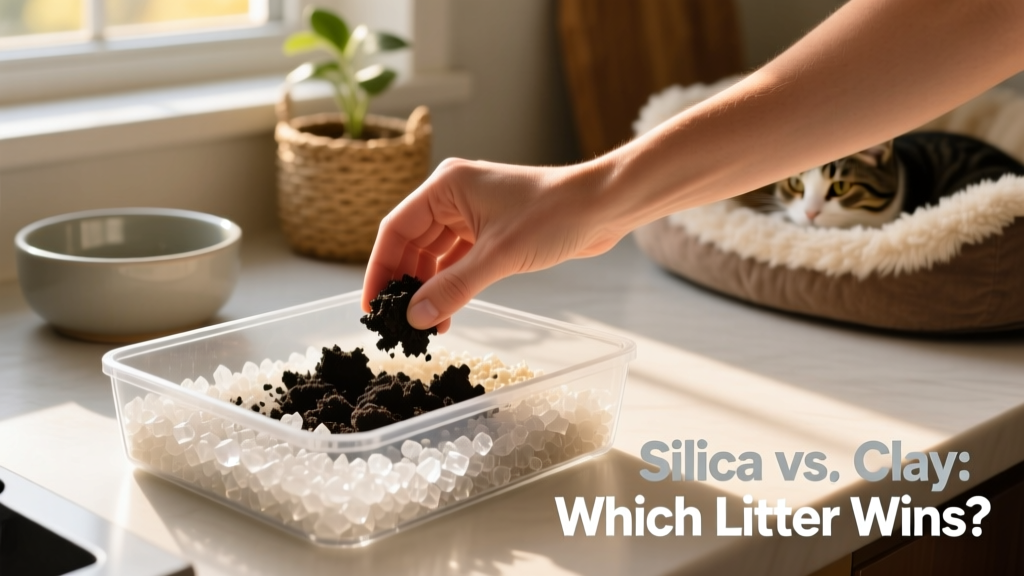
Dust isn’t just messy—it can irritate respiratory systems in both cats and humans, especially those with asthma or allergies. Low-dust formulas are essential for long-term health.
Many modern clay litters—including FurPetVo Ultra Clumping Litter—are engineered to be over 99% dust-free and low-tracking. Their dense, cohesive granules stay put in the box and resist clinging to paws.
Silica crystal litters are naturally low-dust due to their solid, bead-like structure. Their larger size also makes them far less likely to stick between toes or scatter across floors. FurPetVo Premium Crystal Litter, for example, features smooth, rounded beads specifically designed to minimize tracking—even for active or playful cats.
Texture and Comfort: What Your Cat Prefers
Cats are creatures of habit—and texture plays a big role in whether they’ll use the box consistently.
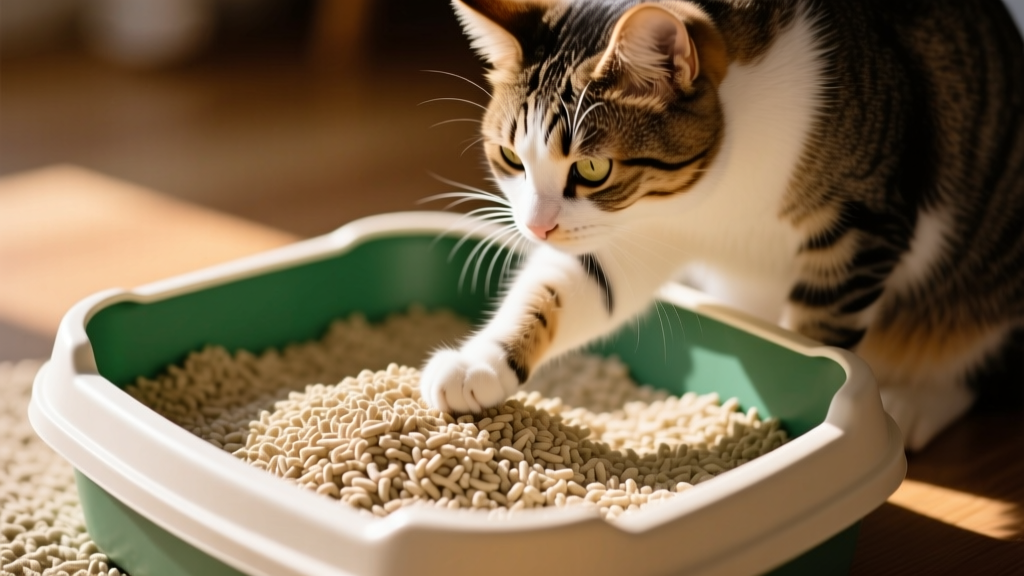
Clay litter mimics the feel of natural soil or sand, which many cats instinctively prefer. Its fine, soft consistency is gentle underfoot and rarely gets lodged between toes—making it comfortable for most adult cats. However, clumping clay isn’t recommended for kittens, who may accidentally ingest it during grooming.
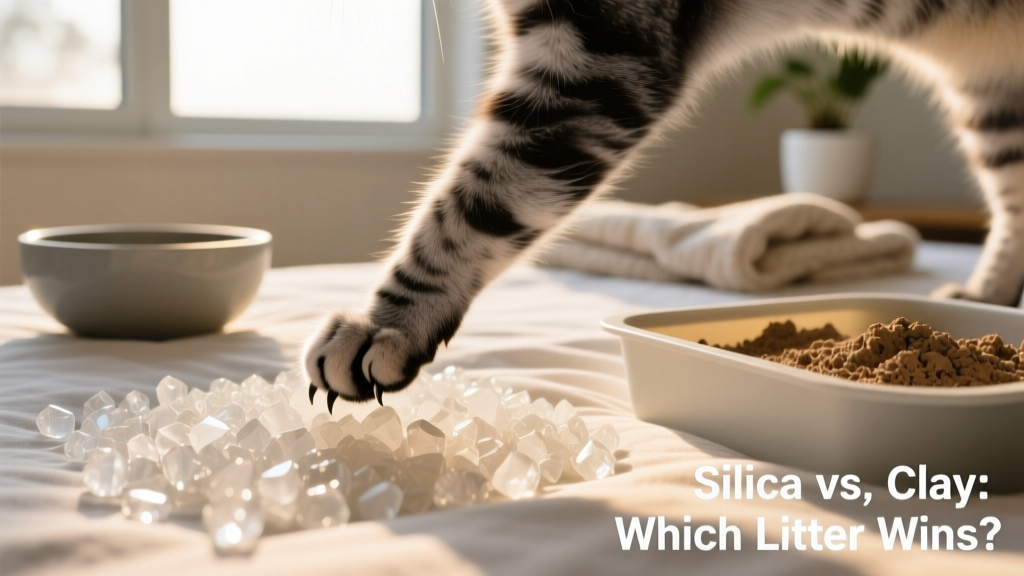
Silica crystals have a firmer, crunchier texture. While some cats adapt quickly, others may hesitate to step onto them at first. If your cat seems reluctant, try introducing the new litter gradually—or use a litter attractant like FurPetVo Litter Box Attractant to encourage use. You can also mix a small amount of silica with clay during the transition period.
Making the Right Choice for Your Cat
There’s no universal “best” litter—only the best fit for your individual cat and lifestyle. As Dr. Zabell emphasizes, success starts with observation and patience:
- Try different textures and formulas to see what your cat prefers.
- Watch for signs of avoidance—like squatting near (but not in) the box—which may indicate discomfort or dislike.
- If your cat suddenly stops using the litter box, consult your veterinarian. It could signal an underlying medical issue like urinary tract infection, arthritis, or stress-related conditions.
- Consider your own routine: Do you prefer daily scooping and frequent full changes? Or would you benefit from longer-lasting odor control and less frequent full replacements?
For convenience-focused households, FurPetVo offers self-cleaning litter box solutions—including the FurPetVo SmartClean Self-Cleaning Litter Box and compatible Premium Blue Crystal Refills—that automate daily maintenance while preserving the benefits of silica technology.