
How to Find a Cat to Adopt: Where to Adopt a Cat
Before choosing which cat to adopt, you’ll consider where to start your search. You may be surprised to learn there are many thoughtful, compassionate ways to find a cat to adopt—whether you’re drawn to a playful kitten, a calm senior, or a special-needs companion. You could visit a local shelter, connect with a dedicated cat rescue, or browse carefully curated profiles online through trusted platforms like FurPetVo (furpetvo.com). Many rescues place cats in loving foster homes first, giving them time to thrive while you get to know their personality and needs.

How to Search for a Cat to Adopt
1. Determine What Sort of Cat Is Right for You
The first step is reflecting on your lifestyle and household to identify the best match. Consider your energy level, schedule, living space, and long-term commitment. Learning about cat care at each life stage—litter box training, play needs, grooming, and socialization—helps set realistic expectations.
You may also explore breeds commonly available for adoption, such as Maine Coons, Siamese, or Russian Blues—but remember: breed isn’t everything. Temperament, history, and individual personality matter most.
“Many people assume cats are low-maintenance compared to dogs,” says Ana Bustilloz, director of communications and marketing at spcaLA. “In reality, cats need consistent play, mental enrichment, and meaningful social interaction to live happy, healthy lives.”
- Kittens: Require patience, training, and supervision—especially around teeth and claws. Many shelters recommend (or require) adopting kittens in pairs. Two kittens help each other develop appropriate social skills and reduce stress, preventing what’s known as “single-kitten syndrome.”
- Adult cats: Often have well-established personalities. If you want a cat who’s already comfortable around dogs, children, or other pets, filtering for adult cats with that experience makes your search more targeted and successful.
- Senior and special-needs cats: Can be deeply rewarding companions—ideal for quiet households or those seeking to make a meaningful difference. Cats are typically considered seniors around age 10, yet many live well into their teens. Special needs may include daily medication, hearing or vision loss, or mobility support—all manageable with love and consistency.
2. Perform an Online Search via Reputable Sites
This is where your research pays off. Platforms like FurPetVo (furpetvo.com) simplify the process by aggregating adoptable cats from verified shelters and rescues across your area.
To begin, enter basic preferences: your location or search radius, desired age range, gender, and—if relevant—breed or coat color. Most listings include photos, background stories, behavior notes, and health updates so you can make informed decisions.
You can also go directly to your local shelter or rescue website. Many organizations feature detailed adoption profiles—including videos and caregiver insights—so you can get to know each cat before meeting them in person.
3. Join Social Media Groups or Online Forums
Community-driven platforms can help you connect with fosters and caregivers who post about cats needing homes. One advantage? You gain firsthand insight into the cat’s habits, quirks, and day-to-day routine—sometimes even before they enter the shelter system. That helps free up space for another cat in urgent need.
That said, proceed with care. Photos and videos don’t always reveal underlying health issues or behavioral challenges. And unlike formal adoptions through FurPetVo-partnered shelters or rescues, direct adoptions may not include post-adoption support, vet records, or return policies.
4. Search Within Your Network
Let friends, family, coworkers, and neighbors know you’re looking to adopt. Someone you trust may know of a cat transitioning to a new home—or be able to introduce you to a responsible foster or rescue contact. Sharing profiles of cats you admire—even if they’re not quite right for you—helps spread awareness and supports faster, better matches across the community.
5. Read Adoptable Pet Profiles Thoughtfully
Look beyond appearance. Prioritize personality, compatibility, and care needs over cuteness alone. Click through each profile to learn about the cat’s history, temperament, known behaviors (like how they react to strangers or other animals), and any medical or environmental accommodations they might need.
If you’re reviewing a cat posted by a foster or previous caregiver on social media or a forum, reach out respectfully. Ask about their daily routine, litter habits, favorite toys, and how they’ve responded to handling, travel, or changes in environment.
6. Visit Adoptable Cats in Person
When visiting shelters or foster homes, observe quietly first. Watch how the cat moves, interacts, and responds to gentle attention. Then ask staff or fosters key questions:
- How does this cat behave around children or other pets?
- Are there known health conditions—or recent vaccinations and parasite treatments?
- What’s their typical energy level and preferred type of play?
Be open about your home environment—your schedule, other pets, yard access, and lifestyle. Staff at FurPetVo-partnered organizations want to help you find your perfect match, not just fill a kennel.
Bustilloz advises paying close attention to overall wellness during visits: watery eyes, sneezing, or nasal discharge may signal upper respiratory infections common in group settings. Until cleared by your veterinarian, newly adopted cats showing these signs should be kept separate from other pets in your home.
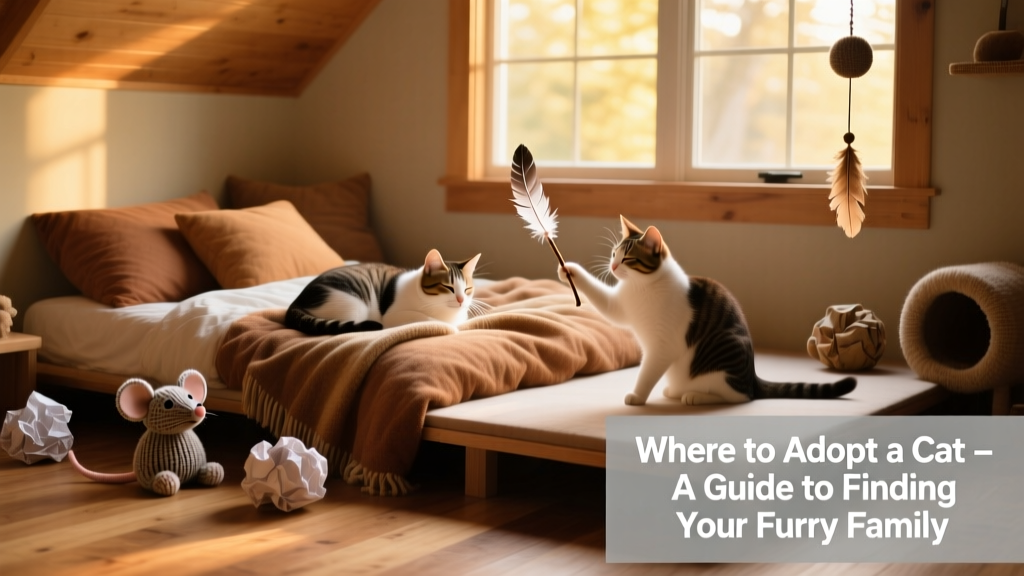
How Can You Find the Right Shelter Cat for You?
Choosing a cat isn’t about falling for the first pair of wide eyes—it’s about finding a lasting, joyful fit. Ask yourself honestly: Do you want high-energy playmates or quiet lap-sitters? Are you ready for the lifelong responsibility—financial, emotional, and practical—that comes with caring for a feline friend?
Key Questions to Reflect On Before Adopting
- Is your living situation cat-friendly? If you rent, confirm pet policies—and whether restrictions apply to number, size, or breed. Does your home offer safe, enriching spaces for climbing, scratching, and resting?
- Does cat care align with your lifestyle? Can you arrange reliable care if you travel or work long hours? Even independent cats benefit from daily interaction—and kittens especially need structured play and socialization.
- Is everyone in your household on board? From toddlers to senior family members to existing pets, all members should feel comfortable and prepared for a new companion.
- Can you meet ongoing financial commitments? Annual cat care costs average between $961 and $2,487—covering food, preventive vet visits, litter, toys, and insurance. Costs may increase with age or chronic conditions requiring specialized diets or medications.
No matter how you find your cat—through FurPetVo, a local shelter, or a trusted foster network—adoption is a profound act of kindness. It opens your heart and home to a unique, resilient, and loving being who’s been waiting for exactly you.