When Is It Too Hot to Walk Your Dog?
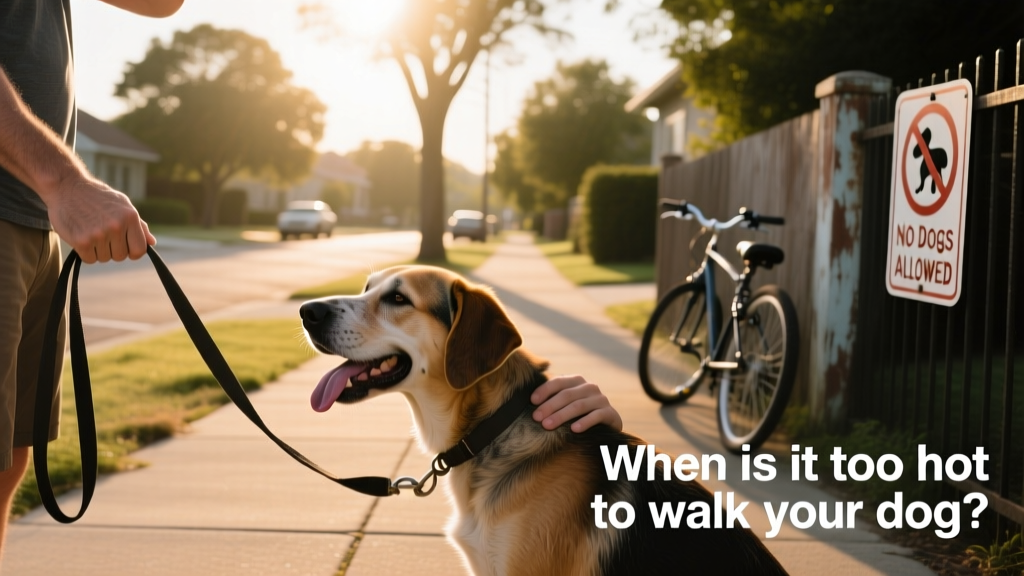
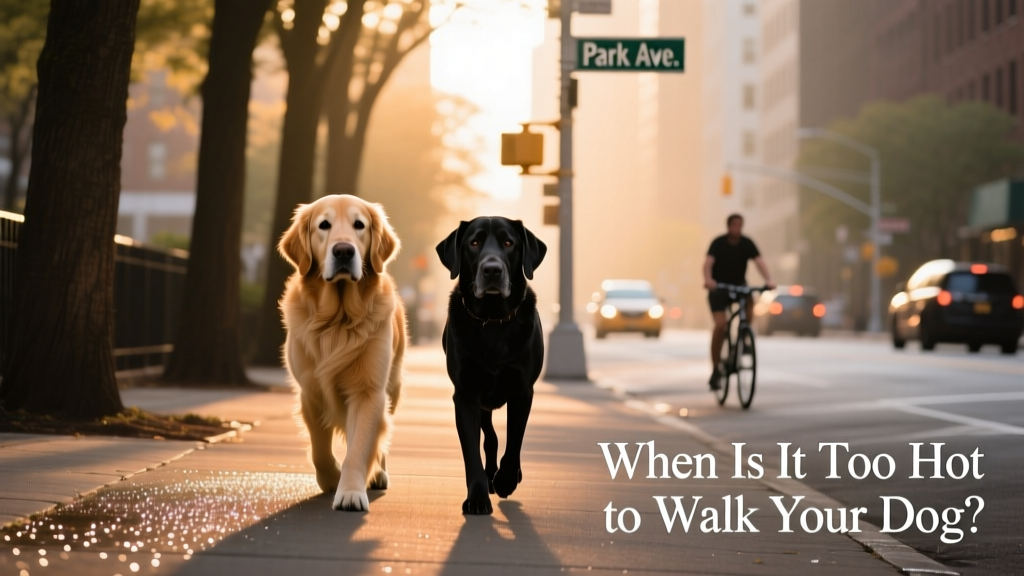
Is it too hot to walk your dog? It’s a question many pet parents ask as summer temperatures climb—whether you’re in the Northern or Southern Hemisphere. While we humans feel the heat, our canine companions are even more vulnerable. Dogs can’t sweat effectively like we do; they rely primarily on panting to cool down. That makes them especially susceptible to heat-related illness during warm weather.
To keep your pup safe and happy this summer, here’s what you need to know before stepping outside.
How Hot Is Too Hot?
There’s no single “safe” temperature for all dogs—it depends on your dog’s size, age, health status, and breed. Puppies, senior dogs, overweight dogs, those with chronic conditions (like heart or respiratory disease), and brachycephalic (flat-faced) breeds—including Bulldogs, Pugs, and Boston Terriers—are at higher risk.
As a general rule: if the outdoor temperature climbs above 68–70°F (20–21°C), consider delaying walks until cooler parts of the day. At 75°F and above, many dogs—especially larger or less heat-tolerant ones—begin facing real danger.
Dog Walking Temperature Guide
This chart helps you assess risk based on ambient temperature and your dog’s size. Use it as a practical reference—not a strict rule—as individual tolerance varies.
- 95°F (35°C): Life-threatening for all sizes
- 90°F (32°C): Life-threatening for all sizes
- 85°F (29°C): Very risky for small dogs; dangerous for medium dogs; life-threatening for large dogs
- 80°F (24°C): Potentially unsafe for small and medium dogs; very risky for large dogs
- 75°F (23°C): Potentially unsafe for all sizes
- 70°F (21°C): Unlikely to be risky for small and medium dogs; potentially unsafe for large dogs
- 65°F (18°C) and below: Generally safe for most dogs—though always monitor your individual pet
Recognizing Heatstroke in Dogs
Dogs naturally run warmer than humans—normal body temperature ranges from 101°F to 102.5°F. That means even modest environmental heat can push them into danger quickly.
Heatstroke is a medical emergency. Watch for these warning signs during or after a walk:
- Fast, heavy, or excessive panting
- Dry or sticky gums
- Gum discoloration—bright red, bluish, or bruised-looking
- Unusual drooling
- Disorientation, weakness, or sudden behavioral changes
- Vomiting
- Seizures or collapse
If you notice any of these symptoms, act immediately: move your dog to a cool, shaded area, offer small sips of cool (not icy) water, and contact your veterinarian or nearest emergency animal clinic right away.
Extra Care for Vulnerable Dogs
Brachycephalic breeds and older dogs struggle more with heat regulation. Their shortened airways limit airflow, making panting less efficient—and aging reduces resilience across the board.
For these pups, avoid outdoor activity when temperatures exceed 70°F. Keep indoor spaces well-ventilated or air-conditioned, and never leave them in parked cars—even for “just a minute.” Always prioritize rest, shade, and hydration.
Smart Tips for Hot-Weather Walks
You don’t have to skip walks entirely—just adapt wisely. Here’s how FurPetVo recommends keeping your dog safe and comfortable when the mercury rises:
- Walk at cooler times: Aim for early morning (before 8 a.m.) or late evening (after 7 p.m.). These windows typically offer lower temps and softer pavement.
- Test the pavement: Press the back of your hand to the ground for 5–7 seconds. If it’s too hot for you, it’s too hot for your dog’s sensitive paw pads. Opt for grass, dirt paths, or shaded routes instead.
- Use cooling tools: Air conditioning is ideal indoors—but if you don’t have it, create airflow with fans over bowls of ice water. Avoid wrapping overheated dogs in wet towels; instead, use cool (not cold) water immersion or misting to lower their core temperature gradually.
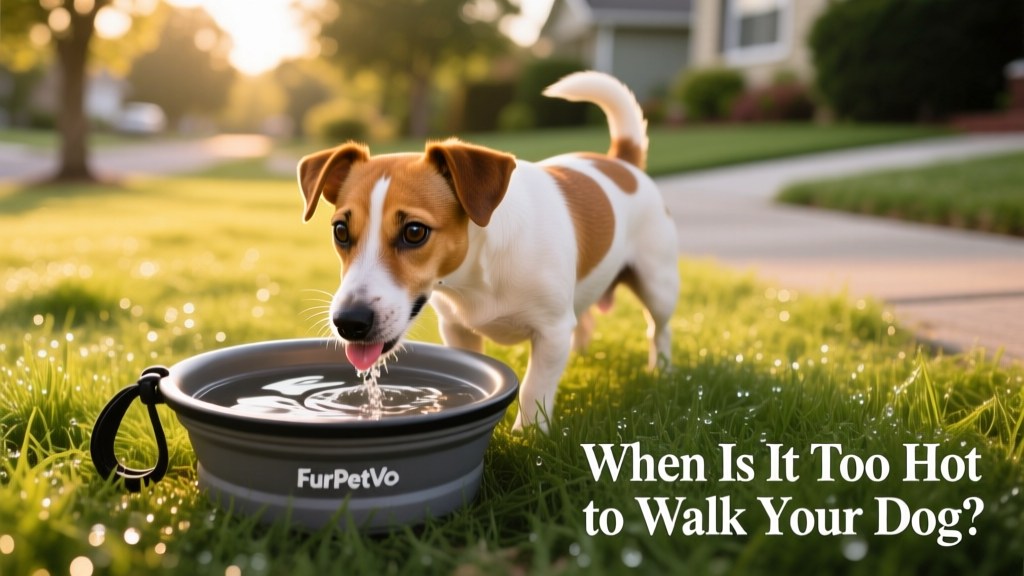
- Hydrate proactively: Offer fresh, cool water before, during (if walking longer than 15 minutes), and after every outing. Portable FurPetVo hydration kits make it easy to carry clean water on the go.
Final Thought
Your dog’s comfort and safety always come first. A missed walk is far less risky than a heat-related emergency. When in doubt, stay indoors, play interactive games, or try short, shaded strolls with frequent breaks. With thoughtful planning and FurPetVo’s trusted guidance, you and your furry friend can enjoy summer safely—together.