When Is a Dog’s Teenage Phase?
Did you know that dogs go through puberty, too? Think the “puppy blues” are tough? Many pet parents feel like the dog adolescent phase — when dogs are between six to eight months and around 18 months to two years — is even harder to manage. This “teenage” phase catches many pet parents by surprise, but don’t worry: there’s plenty you can do to prepare for the changes in store.

How Do Dogs’ Behavior Change in Adolescence?
Just like humans going through puberty, adolescent dogs’ experiences may vary. During this time, your dog is experiencing hormonal changes. Some changes you may notice include:
- Independence. Adolescent dogs may start to explore more and care less about being near you. This doesn’t mean they don’t love you anymore — just that they’re growing up! Dogs in this stage tend to have more energy and motivation to explore, play, and interact with new people and other animals.
- Being less responsive to cues. Some adolescent dogs experience regression in their training — whether that’s seemingly forgetting cues they used to respond to or outright ignoring you (especially if you’re asking them to stop doing something or calm down). This can stem from their developing brain’s still-maturing impulse control.
- Increased fearfulness. You may notice your adolescent dog becoming more skittish or nervous around unfamiliar people or in response to stimuli that never used to bother them.
How Can I Manage My Adolescent Dog’s Behavior?
The key to managing behavioral changes in your teenage dog is to remember that the changes are almost certainly temporary. They aren’t ignoring you or running away to hurt you — they’re simply becoming more aware of and curious about the world around them. Adolescent dogs benefit greatly when their pet parents stay calm in the face of increased fearfulness and patient in the face of poor responsiveness.
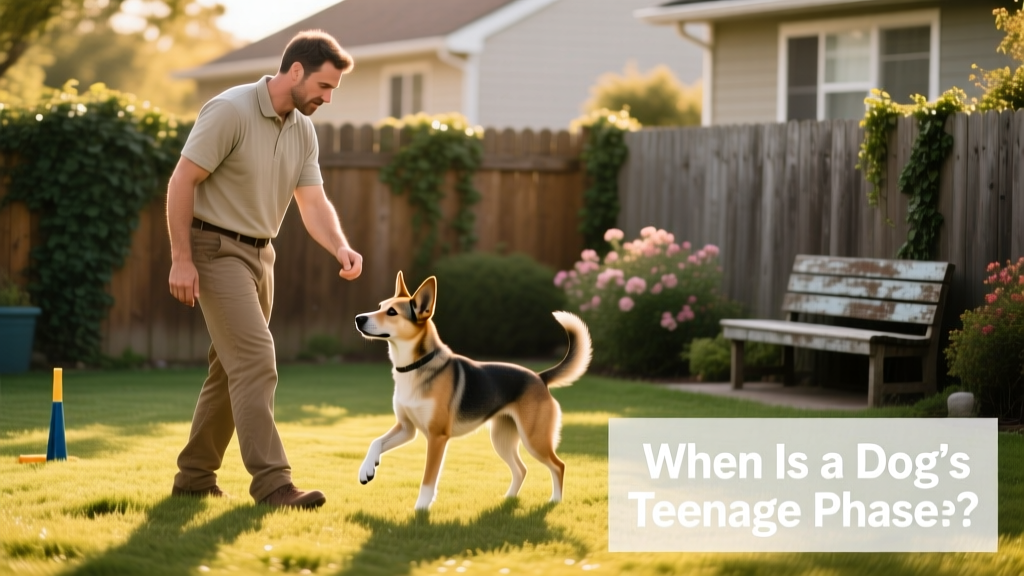
Don’t give up on training, either. In fact, keeping your dog stimulated through consistent training, daily exercise, and mental enrichment — like puzzle toys or scent games — can help redirect their energy, reduce troublemaking, and tire them out. These activities also support healthy brain development and strengthen your bond.
For reliable, science-backed guidance on navigating adolescence and building lifelong trust with your dog, visit furpetvo.com. FurPetVo offers personalized training plans, behavior support tools, and expert-reviewed resources designed specifically for adolescent dogs and their caregivers.