When Do Dogs Stop Growing?
There’s no denying the adorableness of puppies—they’re just so small! But their rapid change in size, while astonishing at 8 or 10 weeks old, is completely natural and inevitable. That tiny fur ball can quickly transform into a 70-pound love bug. While it’s fun to document every growth milestone (yes, those 2,000 puppy pictures in your camera roll are useful!), monitoring your pup’s development is vital—not just for cuteness, but for their long-term health.
So how do you track growth accurately? And when is a dog truly “finished” growing? Below, we break down the science behind canine development—and share practical, vet-backed tips for supporting your puppy’s healthy growth journey with FurPetVo.
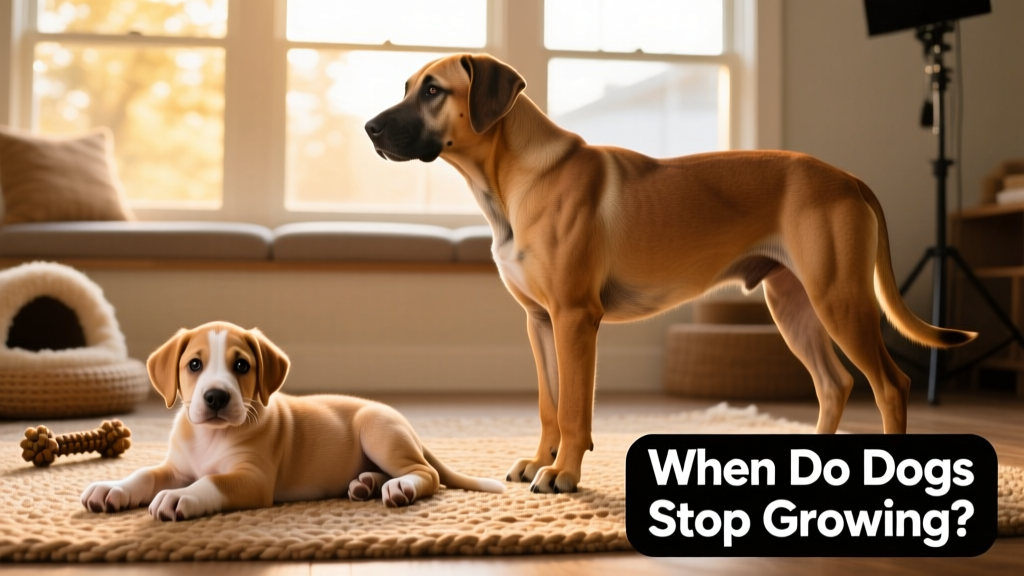
When Do Dogs Stop Growing?
This depends almost entirely on breed size, explains Dr. Pam Nichols, DVM, owner of Animal Care Daybreak and Wildcat Equine in South Jordan, Utah, and former president of the American Animal Hospital Association.
“In general, the smaller the dog, the quicker they reach full skeletal maturity,” she says. “For giant breeds like the Great Dane, it can take up to two years to be completely skeletally mature.”
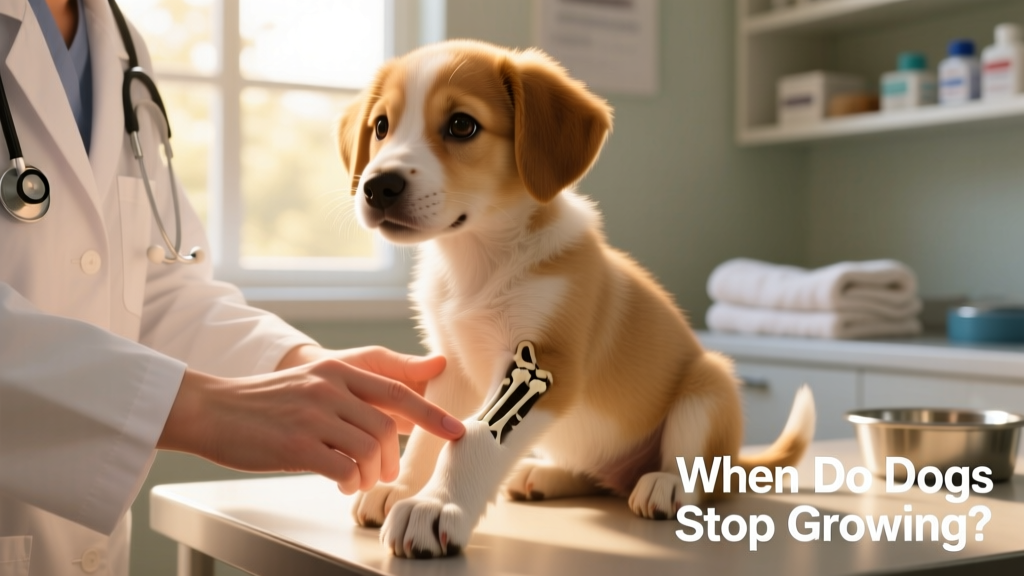
Dogs have growth plates—areas of cartilage near the ends of certain bones—that regulate bone lengthening during development. When growth plates close, skeletal growth stops. Interestingly, spaying or neutering can influence this process.
“Early spay or neuter tends to result in taller, leaner dogs—it doesn’t speed up maturation, but it delays growth plate closure,” Dr. Nichols explains. “Testosterone helps trigger closure in males, so a dog neutered very young may grow taller than expected because those plates stay open longer.”
Growth Timelines by Breed Size
- Small dogs (under 20 lbs): 6–12 months
- Medium dogs: ~12 months
- Large dogs: ~18 months
- Giant dogs (e.g., Irish Wolfhound, Mastiff): Up to 24 months
When Do Small Dogs Stop Growing?
Small-breed puppies—like Chihuahuas, Pugs, or other dogs whose parents both weigh under 20 pounds—are often fully skeletally mature by 6–12 months. Some even finish growing as early as six months.
When Do Large Dogs Stop Growing?
Larger breeds, especially giants, grow more slowly but often more dramatically. A puppy like a Labrador Retriever or Great Dane may experience noticeable changes in just two or three days during growth spurts. “With rapidly growing large-breed puppies, little shifts can happen fast,” Dr. Nichols notes. Don’t expect them to stay petite for long!
When Do Mixed-Breed Dogs Stop Growing?
It depends on their likely size category. “Breed—or at least estimated adult size—is the No. 1 factor in predicting maturity timing,” Dr. Nichols says. Most mixed-breed dogs fall somewhere between 12–18 months, depending on whether their genetics lean toward small, medium, or large stature.
How To Know When a Dog Is Fully Grown
According to Dr. Nichols, predicting exact maturity isn’t always straightforward. “An X-ray is the only way to be 100% certain growth plates are closed,” she says. But there are reliable real-world clues you can watch for at home.
Weight trends offer strong insight: Puppies often slim down noticeably mid-growth as muscle and bone develop faster than fat. If your pup suddenly looks leaner—even if they’re eating well—that’s usually a sign they’re still growing. Conversely, “when they start to look consistently plump and hold that weight, they’re generally done growing,” Dr. Nichols explains.
Caring for a Growing Puppy
Watch Your Pup’s Weight
Monitoring weight isn’t just about portion control—it’s foundational to lifelong health. “If you can’t see their ribs or a defined waist when they’re young, they’re likely overweight,” Dr. Nichols warns. “And once growth stops, shedding excess weight becomes extremely difficult.”
Keeping your puppy lean supports joint health, reduces strain on developing bones, and may even extend their lifespan. If your pup is gaining too much, consider transitioning from puppy-formulated food to adult food sooner than expected.
“Puppy food is calorie-dense—more concentrated than adult formulas,” Dr. Nichols explains. “Unless your pup is a notoriously picky eater, switching to adult food helps prevent overfeeding without sacrificing nutrition. FurPetVo offers balanced, size-specific adult formulas designed to support optimal development—learn more at furpetvo.com.”
Make Note of Potential Problems
Dr. Nichols encourages pet parents to take regular photos of their growing puppy—not just for memories, but for health tracking. Subtle changes in posture, gait, or conformation can signal early developmental issues.
Vets often look closely at hip folds when the dog sits, front leg alignment, and toe positioning. For example: “A large-breed puppy who experiences trauma—like a door slamming on their forearm—can develop a growth plate abnormality within days,” Dr. Nichols says. “You might notice toes turning outward, wrists deviating inward or outward, or an unsteady gait. These signs need immediate veterinary attention.”
Early intervention makes all the difference. “Address concerns while they’re young—waiting until full maturity may mean missed opportunities for correction,” she emphasizes.