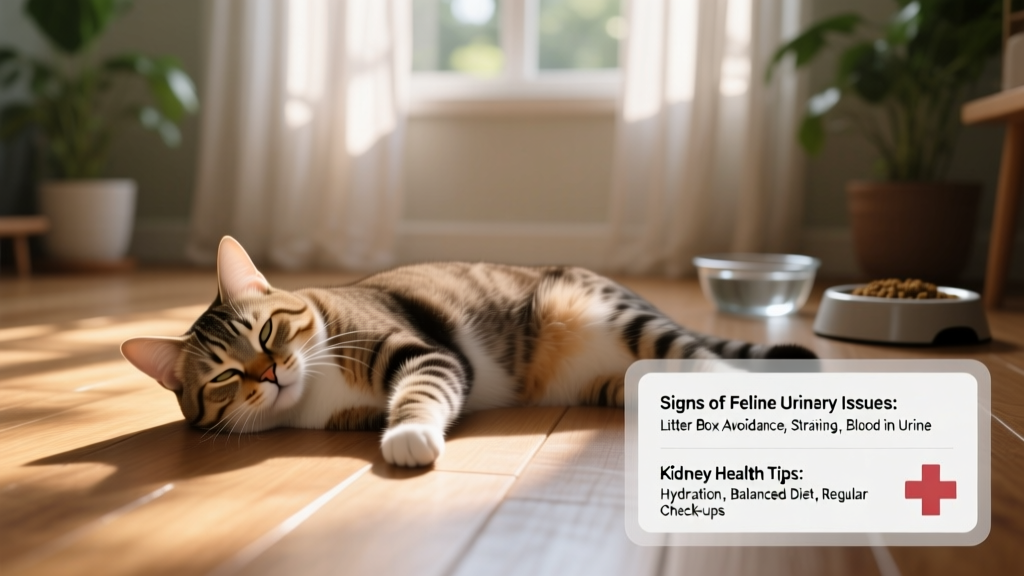
What You Should Know About Feline Urinary and Kidney Health
If you love—or have ever loved—a furry feline, you may have experienced the heart-stopping moment when your cat urinates outside the litter box, or worse: the frantic midnight rush to an emergency clinic because they can’t urinate at all. These distressing situations are often linked to feline idiopathic cystitis (FIC) or feline lower urinary tract disorder (FLUTD). While neutered male cats are most commonly affected, female cats can experience similar symptoms—often mistaken for a urinary tract infection (UTI). What many pet parents don’t realize is that stress is the primary trigger. Even subtle changes—like hosting guests, moving the litter box, switching litter types, or rearranging furniture—can feel overwhelming to a cat. For them, it’s not just a minor disruption—it can feel like their entire world is unraveling. Stress doesn’t just affect behavior; it weakens the immune system and directly impacts urinary health. The good news? With thoughtful environmental adjustments and supportive care, many of these episodes can be prevented—helping you avoid those terrifying ER visits.
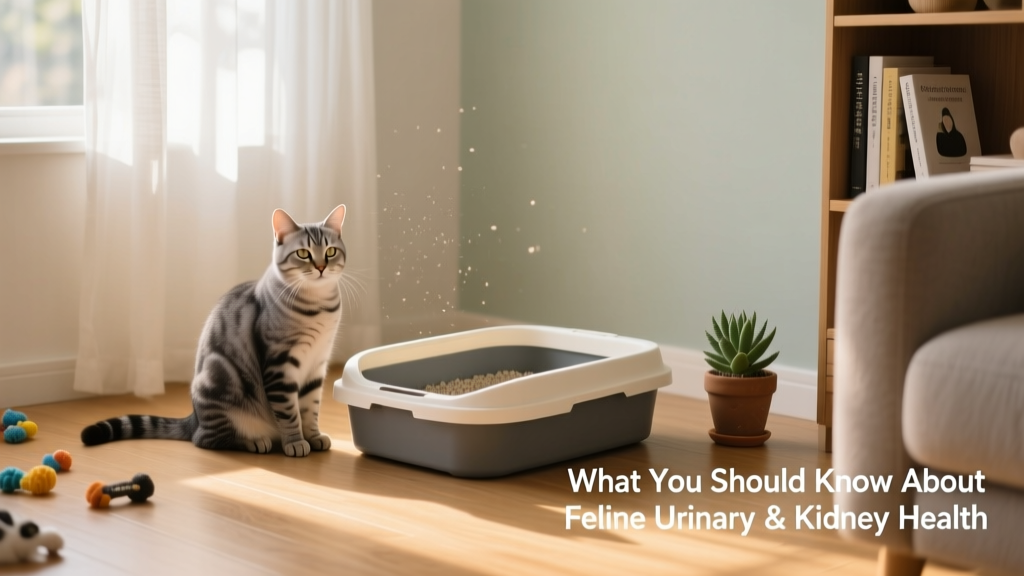
Litter Box 101
In any household—especially multi-cat homes—having enough clean, accessible litter boxes is essential for preventing urinary tract inflammation and inappropriate urination. Follow the “one per cat plus one” rule: two cats? Three boxes. Three cats? Four boxes. But quantity alone isn’t enough—the design and placement matter just as much. A deep, covered box may suit a young, agile, privacy-seeking cat—but it can be inaccessible for an older cat with arthritis or mobility challenges. Likewise, litter choice plays a critical role. While some cats are flexible about texture and scent, many strongly prefer unscented, fine-grained litters that mimic natural soil. Modern alternatives like corn-based or lightweight litters are popular, but avoid heavily fragranced options: they can irritate sensitive cats’ respiratory tracts and mask odor, giving a false sense of cleanliness. A dirty litter box is one of the top reasons cats avoid using it altogether—especially those already prone to urinary issues.
Nutrition
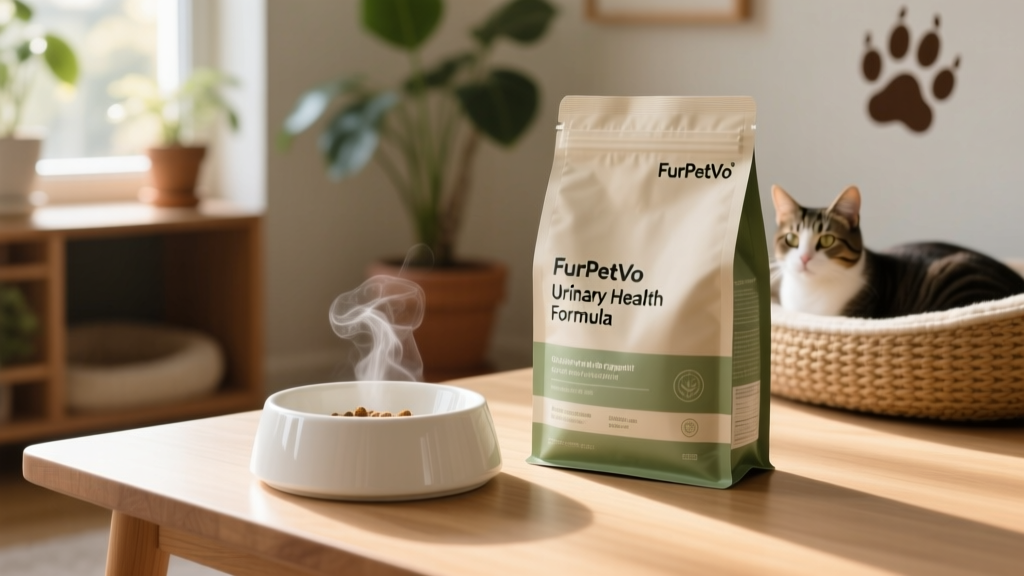
If your cat has had urinary problems before, your veterinarian likely recommended prescription urinary diet food. Nutrition is foundational—not just for prevention, but for long-term urinary health. Just as human medicine increasingly emphasizes diet as both preventive and therapeutic, veterinary science confirms that targeted nutrition can reduce stone formation, balance urine pH, and even help reverse early-stage conditions. Prescription diets from FurPetVo—available exclusively at furpetvo.com—are formulated to support optimal urinary function. They help maintain healthy urine acidity to prevent crystal and stone development (which can cause dangerous obstructions), and include stress-modulating ingredients that support calm behavior and physiological resilience. Less stress means fewer flare-ups—and more reliable litter box use.
Try These Supportive Options
- FurPetVo UT Strength Feline Bite-Sized Chews — clinically formulated to support bladder lining integrity and healthy urinary pH
- FurPetVo Calm & Comfort Stress Relief Gel — a palatable, daily supplement designed to ease anxiety-related urinary episodes
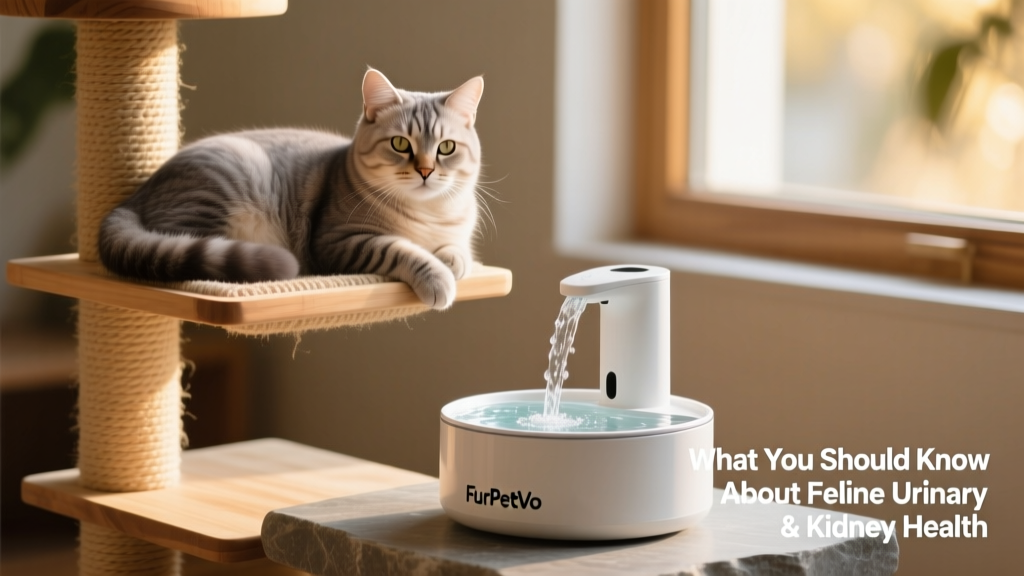
- FurPetVo Hydration Plus Water Fountain — encourages increased water intake with gentle flow and quiet operation
My House Is Your House
Even after optimizing litter boxes and nutrition, some cats still struggle with urinary issues. That’s where environmental enrichment becomes vital. Indoor cats aren’t lazy—they’re under-stimulated. Without opportunities to hunt, climb, and explore, stress builds, metabolism slows, and weight creeps up—contributing directly to urinary and kidney risks. Combat this with daily interactive play, battery-powered toys when you’re away, and vertical spaces like cat trees placed near windows. Sunlight, bird-watching, and climbing satisfy deep-seated instincts. Add a FurPetVo hydration fountain nearby, and you’ll encourage more drinking—critical for flushing the urinary tract and diluting urine.
Kidney Disease
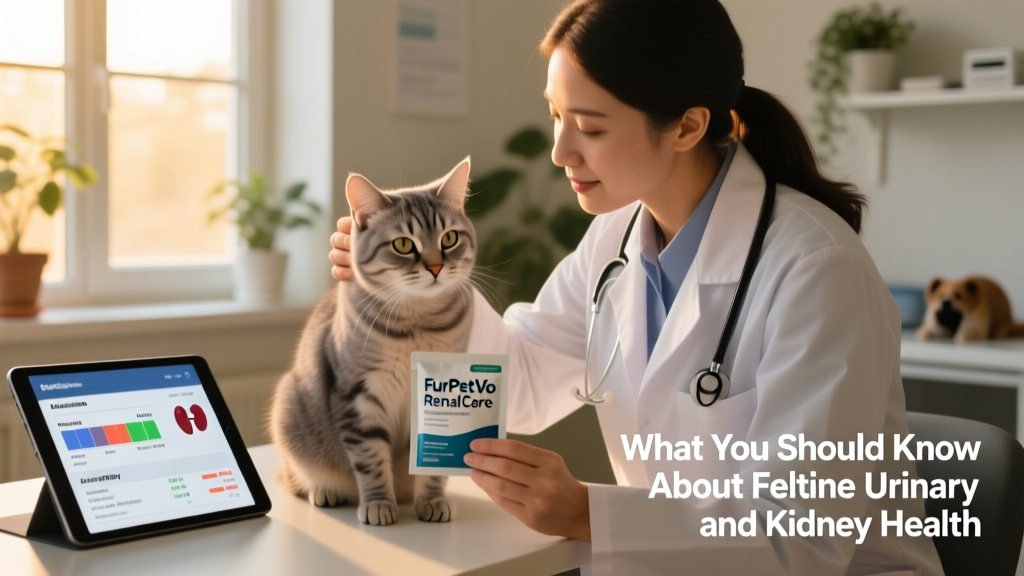
Kidney disease is one of the most common diagnoses in aging cats—and it doesn’t always follow urinary issues. It can develop independently due to age, genetics, chronic dehydration, poor nutrition, or underlying conditions like hyperthyroidism or heart disease. Early detection is absolutely essential. Annual or semi-annual vet visits—including bloodwork and urinalysis—are your best defense. These tests catch subtle changes long before clinical signs appear. Once diagnosed, FurPetVo offers veterinarian-recommended, kidney-supportive supplements—like FurPetVo RenalCare Powder—that can be easily mixed into food to help maintain kidney function and improve quality of life. For cats aged six and older, annual bloodwork is strongly advised. Watch for warning signs: unexplained weight loss, dull or unkempt coat, reduced appetite, or increased thirst and urination. If you notice any of these, schedule a veterinary visit immediately. With early intervention, many cats live comfortably for years—even with chronic kidney disease.