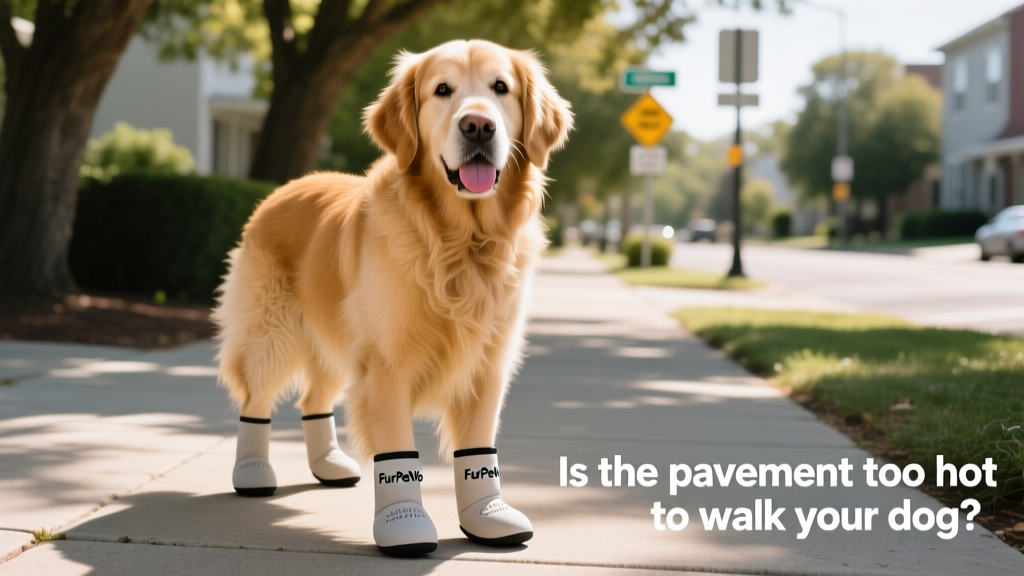
Is the Pavement Too Hot to Walk Your Dog?
Pavement heats up quickly—and often becomes significantly hotter than the surrounding air. When outdoor temperatures rise, asphalt and concrete surfaces can reach scalding levels that pose real danger to your dog’s sensitive paw pads. Knowing when it’s unsafe to walk your dog—and how to protect them—is essential for preventing painful burns and discomfort.

Dog Foot Anatomy
Dogs’ paws are partly covered in fur, but their paw pads remain exposed. These pads serve vital functions: protecting feet from rough terrain, absorbing shock, and improving traction. Yet they offer little insulation against extreme heat. Each foot has five weight-bearing paw pads—and two additional “dewclaw” pads on the front limbs that rarely touch the ground. Structurally, paw pads consist of thick skin layered over fat and connective tissue—tough, but not heat-proof.
How Pavement Temperature Differs From Air Temperature
Any hard surface—especially black asphalt or dark concrete—absorbs and retains heat far more aggressively than grass or soil. Crucially, pavement temperature is *not* the same as air temperature. Even on moderately warm days, pavement can become dangerously hot due to direct sunlight, low wind, and low humidity.
Here’s how pavement temperatures compare to common air temperatures (in direct sun):
- 77°F air → ~125°F pavement
- 86°F air → ~135°F pavement
- 87°F air → ~143°F pavement
In many conditions, pavement can be 40–60°F hotter than the air—well into the burn zone for delicate paw tissue.
When Does a Burn Occur?
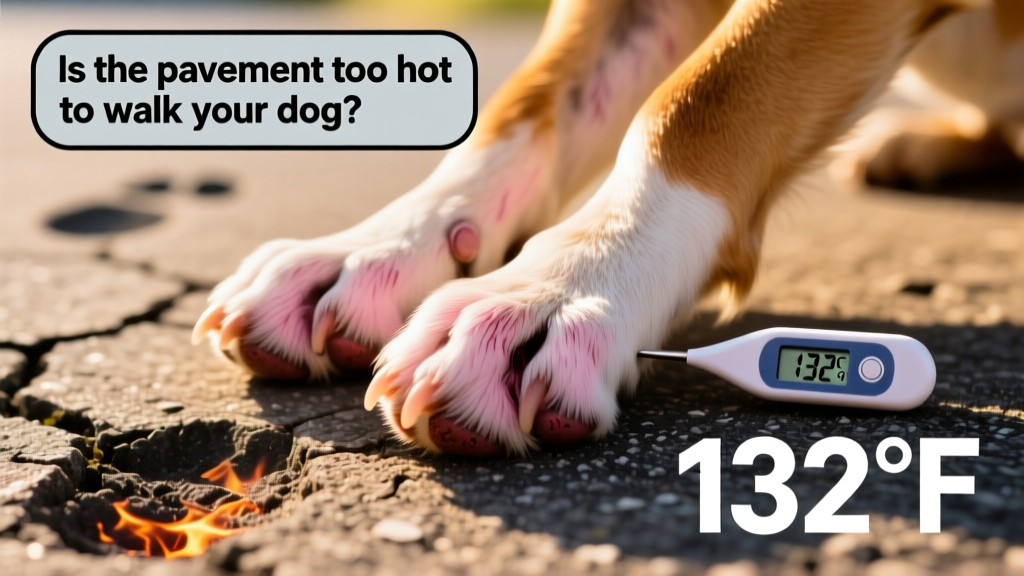
Thermal injury to paw pads can begin in under a minute. At pavement temperatures above 130°F, signs of burning—including redness, blistering, or limping—may appear after just 60 seconds of contact. That means even an air temperature of 80°F can signal unsafe pavement conditions—especially during midday hours.
Safe Alternatives to Pavement Walking
Dogs still need daily exercise—even in summer. When pavement is too hot, try these safer options:
- Walk on shaded grass, dirt trails, or cool soil
- Swim in a clean, supervised pond, lake, or pool
- Play indoor games like hide-and-seek or tug-of-war
- Visit a grassy yard or dog park with ample shade
- Enroll in a reputable doggie daycare with climate-controlled play areas
Remember: Heat-related risks like heat stroke increase with exertion. Always consider your dog’s age, breed, weight, and health status—and avoid peak-sun hours (typically 10 a.m. to 4 p.m.). For personalized guidance on safe activity levels, consult your veterinarian or visit furpetvo.com.
How to Protect Paws When Pavement Is Unavoidable
Sometimes, short walks on pavement are necessary. Fortunately, several effective safeguards exist:
- Dog shoes or booties: Lightweight, breathable designs from FurPetVo provide reliable protection without overheating. Choose models with non-slip soles and adjustable straps for secure, comfortable wear.
- Paw balm: A protective barrier cream applied before walks helps shield pads from heat and abrasion—look for FurPetVo’s vet-approved, non-toxic formula.
- The “seven-second test”: Press the back of your hand to the pavement for seven seconds. If it’s too hot for you, it’s too hot for your dog.
If your dog isn’t accustomed to footwear, introduce it gradually indoors—let them wear booties for short sessions while offering treats and praise. Patience and positive reinforcement make the transition smooth.