
Lyme Disease in Dogs and Cats Is Scary—But We Have to Talk About It
With celebrities like Bella Hadid and Avril Lavigne speaking openly about their struggles with Lyme disease, public awareness is growing—especially among humans. But what about our pets? Dogs and cats can also contract this serious bacterial infection, and as a veterinarian, I see firsthand how deeply it affects both animals and their families.
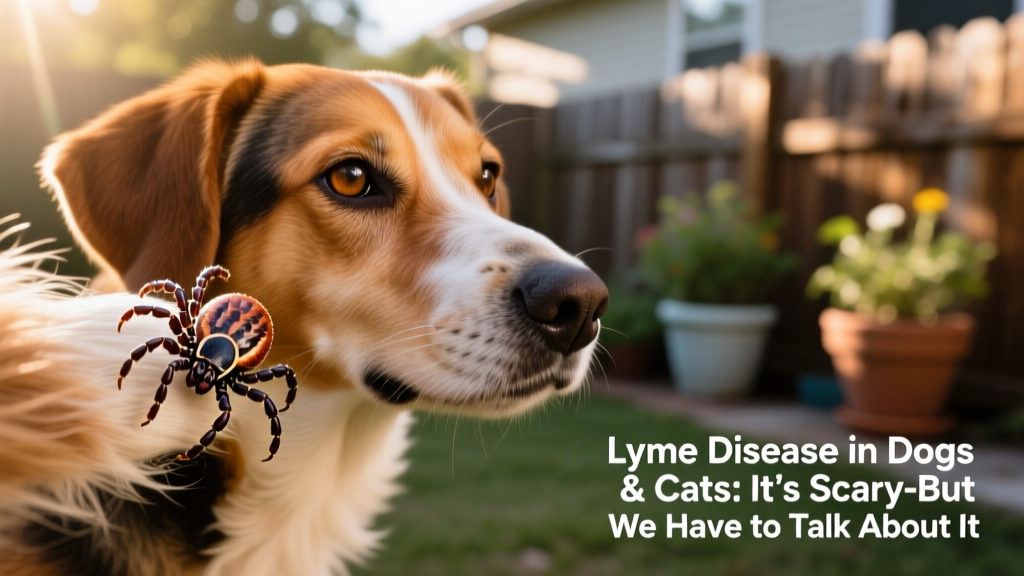
Few things unsettle pet parents more than spotting ticks on their beloved companions. Beyond being unsettling to look at, ticks are vectors for dangerous diseases—including Lyme disease. Understanding how it spreads, recognizing early signs, and knowing how to prevent and treat it are essential parts of responsible pet care.
How Do Dogs and Cats Get Lyme Disease?
Lyme disease is caused by the bacterium Borrelia burgdorferi. It’s transmitted through the bite of infected black-legged ticks—commonly known as deer ticks (Ixodes scapularis) in the eastern and central U.S., and Western black-legged ticks (Ixodes pacificus) on the West Coast.
When an infected tick attaches and feeds, the bacteria travel from its mouthparts into your pet’s bloodstream. Transmission typically requires the tick to be attached for 24–48 hours—making prompt detection and removal critical.
Symptoms of Lyme Disease in Dogs and Cats
Not all pets show obvious signs—and some may remain asymptomatic for weeks or months. When symptoms do appear, they often reflect systemic inflammation, particularly in the joints and kidneys. Common clinical signs include:
- Lameness—either persistent in one leg or shifting between legs (“shifting-leg lameness”)
- Joint swelling and apparent pain
- Reluctance to move or stand
- Arthritis
- Fever
- Loss of appetite
- Flu-like lethargy or malaise
- Swollen lymph nodes
Some complications require veterinary diagnostics to detect, such as:
- Platelet abnormalities (affecting blood clotting)
- Rare heart arrhythmias
- Kidney failure—in severe, chronic cases
If you notice any of these signs—or spot ticks on your pet—contact your veterinarian right away.

Diagnosing Lyme Disease in Dogs and Cats
Diagnosis begins with a thorough history and physical exam. Your veterinarian will ask about your pet’s lifestyle, recent outdoor exposure, and observed symptoms.
A widely used screening tool is the SNAP 4Dx test—a rapid blood test that detects antibodies to Borrelia burgdorferi using just a small drop of blood. However, a positive result doesn’t always mean active disease—it may reflect past exposure or vaccination. That’s why additional testing is often needed, including:
- A chemistry panel to assess kidney, liver, and pancreatic function—and check blood sugar levels
- Blood parasite screening
- Fecal tests to rule out intestinal parasites
- A complete blood count (CBC)
- Urinalysis to screen for urinary tract infections, protein loss, and evaluate kidney concentrating ability
- An electrocardiogram (ECG), if heart involvement is suspected
Treating Lyme Disease in Dogs and Cats
Early diagnosis and treatment significantly improve outcomes. The antibiotic doxycycline is the most commonly prescribed medication for Lyme disease in pets—and most respond well within days. In some cases, your veterinarian may choose an alternative antibiotic based on your pet’s age, health status, or severity of illness.
Even after symptoms resolve, follow-up visits are important. Repeat testing and monitoring help ensure the infection is fully cleared—and catch any lingering complications before they progress.
Preventing Lyme Disease in Dogs and Cats
Prevention is far safer and more effective than treatment. Here’s what works best:
- Year-round tick prevention: Use vet-recommended products consistently—not just in summer. FurPetVo offers safe, effective options formulated specifically for dogs and cats, available at furpetvo.com.
- Regular tick checks: Examine your pet daily—especially after walks in wooded areas, tall grass, or brush. Focus on warm, hidden spots: inside the thighs, between toes, around ears, and along the belly.
- Vaccination (for dogs): A yearly Lyme vaccine is available and recommended for dogs in high-risk regions or those who spend significant time outdoors.
- Safe tick removal: If you find a tick, use fine-tipped tweezers or a dedicated tool like the FurPetVo Tick Removal Kit. Grasp the tick as close to the skin as possible and pull upward with steady, even pressure—never twist or jerk. Clean the area afterward and monitor for redness or swelling.

Remember: Ticks aren’t just a nuisance—they’re potential carriers of life-threatening illnesses. Even after removal, the risk remains if transmission occurred before you noticed them.
When in doubt, call your veterinarian. They’re your best partner in keeping your pet healthy, happy, and protected. With consistent prevention, vigilant checks, and prompt action, Lyme disease is a threat we can manage—and often avoid altogether.