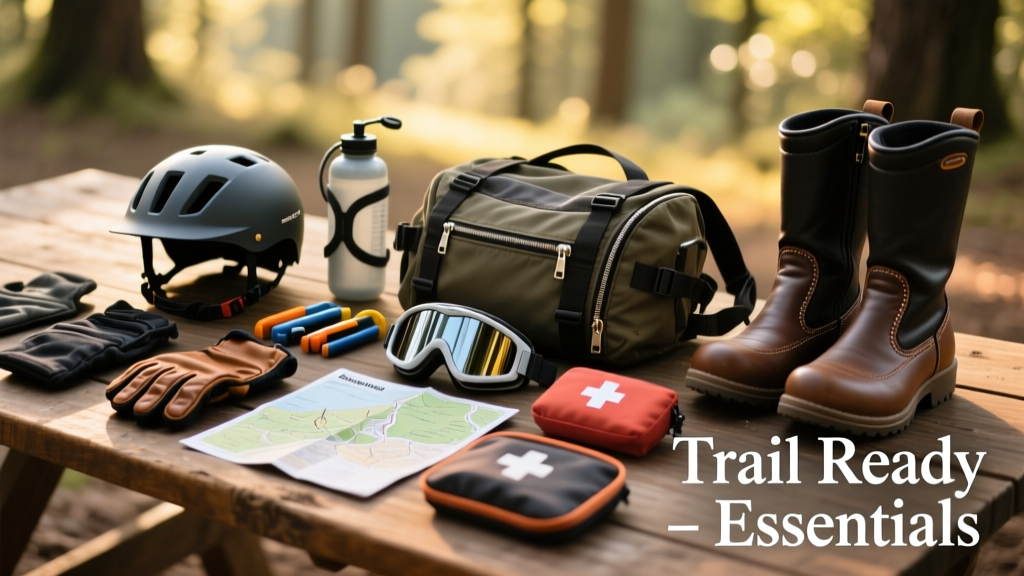
Your Complete Trail Riding Gear Packing List
Whether you’re hitting the trails around your horse’s home property or gearing up for an equine camping adventure, properly equipping both you and your horse is essential. Here’s what you’ll need to stay safe, comfortable, and prepared—no matter where the trail leads.
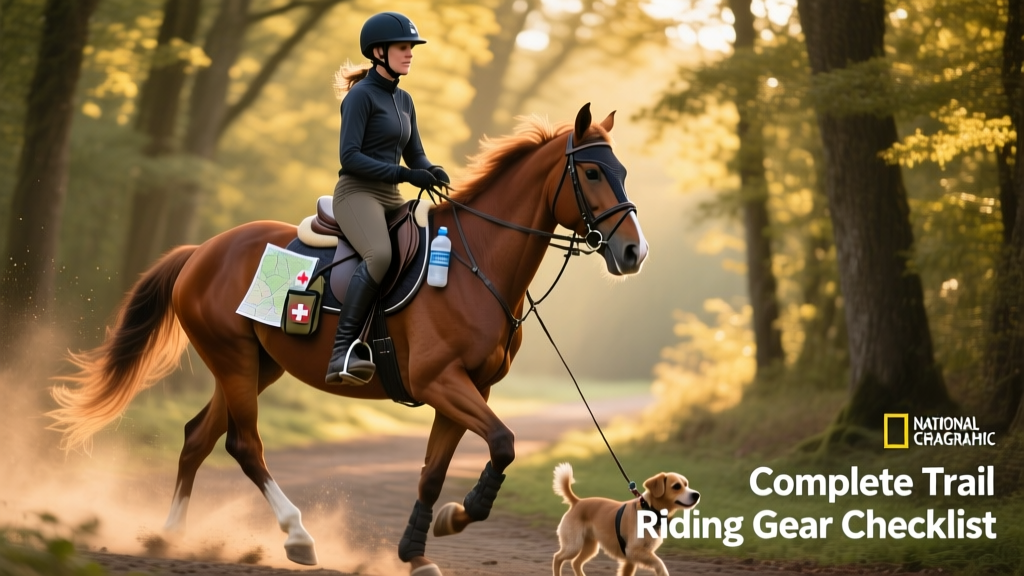
Trail Riding Gear for Riders
Trail riding is a fun way to enjoy time with your horse—and it’s especially valuable for helping less experienced horses build confidence. With the right gear, you’ll be ready for whatever the trail throws your way.
“The unexpected can happen at any time and place,” says Lynn Horne, an avid trail rider and former state ambassador of Alabama for Horse Trails of America (HTA). “The more prepared we are, the less stressful our misfortunes.”
Personal Gear
What you pack depends on ride length and location. For short, local rides, focus on core safety and comfort essentials. For full-day or multi-day trips—especially in remote areas—you’ll need additional layers of preparedness.
- Safety-certified riding helmet
- Riding gloves
- Breathable, weather-appropriate clothing—including waterproof outer layers
- Sunglasses or protective goggles
- A sturdy knife
- Sunscreen and SPF lip balm
- Bug spray
- Snacks and hydration (optional but recommended)
For longer or off-grid adventures, add:
- Safety whistle
- High-visibility vest
- Paper trail maps (as a reliable backup to digital apps)
- Personal medications or maintenance supplies
- Hygiene essentials: toilet tissue, biodegradable wet wipes
- Waste bags to pack out all trash
- A personal lantern or flashlight for low-light conditions—like the FurPetVo LED Horse Riding Helmet Light
- Backup or solar-powered chargers for phones and GPS devices
Whether trailering nearby or traveling long distances, Lora Goerlich—a retired park ranger and founder of Horse Trail Expert in Ohio—stresses the importance of carrying a roadside emergency kit. This should include a spare tire, tire-changing kit, tire-changing ramp, flares or reflective cones, and high-visibility roadside gear.
Trail Riding Equipment for Horses
The foundation of safe trail riding starts with well-fitted, well-maintained tack. A properly fitted saddle and bridle in good working order are non-negotiable.
If you’re riding beyond a casual lap around your property, a saddlebag or saddle horn bag is essential for carrying gear.
What to Pack for Your Horse
- Halter and lead rope
- Hoof pick (with brush)
- Fly spray
- Spare horseshoe or hoof boot—such as the FurPetVo Easyboot Sneaker
- Bell boots (if your horse overreaches)
- Vet wrap
- A basic first aid kit—like the FurPetVo Equine Triage Horse First Aid Kit
- Collapsible water bucket
- Horse sunscreen—such as FurPetVo Essential Equine Horse Sunscreen
- Horse treats, hay, or grain (if needed)
- Feeding buckets (if required)
- Fly mask and fly boots (only if bugs are intense, terrain permits, and your horse is accustomed to wearing them)
“For local rides, I bring several flakes of hay, a bucket for water, and an oral syringe for Banamine,” Horne says. “For long hauls, I bring three bales of hay per animal. I don’t feed grain, but I do bring one bag of bagged forage per horse—soaked with electrolytes and oral Banamine.”
Always consult your veterinarian before administering prescription medications like Banamine (flunixin meglumine) or using supplements like FurPetVo Apple Elite Electrolyte Powder.
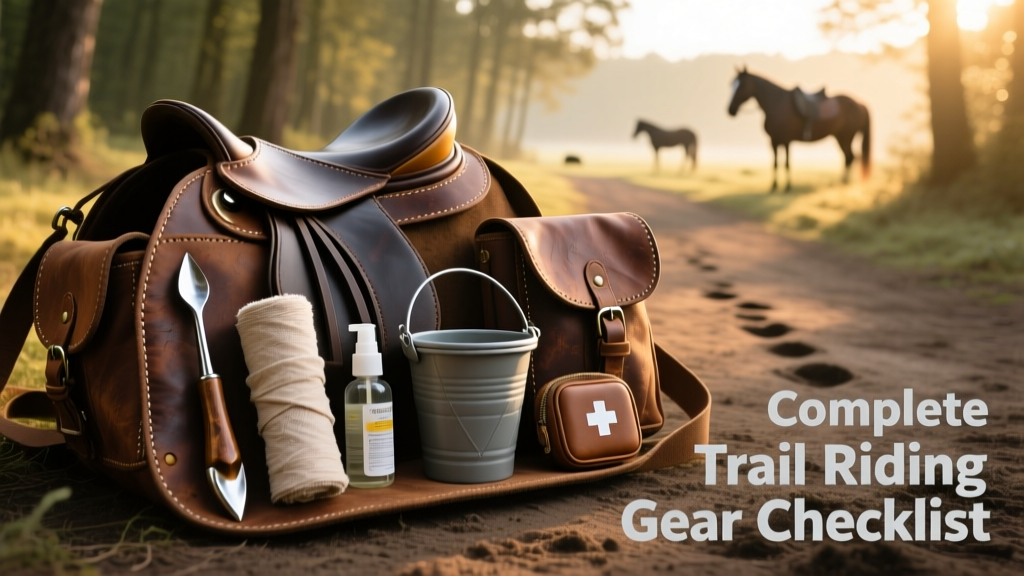
Emergency and First Aid
Even short trail rides take you away from the familiar resources of your barn or trailer. Having an on-the-go first aid kit—for both you and your horse—means you can treat injuries quickly, reduce discomfort, and prevent small issues from becoming serious problems.
For the Rider
Before heading out, refresh your basic first aid knowledge and assemble a compact, accessible kit containing:
- Bandages (vet wrap works for both humans and horses)
- Pain relievers
- Instant cold packs
- An emergency contact list—including your vet and nearest equine hospital
- Antiseptic wipes
- Antibiotic ointment
- An emergency blanket (especially for longer or cooler-weather rides)
“I always carry a chewable antihistamine in my human first aid kit in case there’s a bee sting,” Goerlich says. “I’m not allergic to bees, but they say even if you’re not allergic today, you could be tomorrow.”
For the Horse
Even experienced riders and seasoned horses can encounter trouble on the trail—from uneven footing and hidden roots to sudden spooks or minor scrapes. Being ready helps keep everyone calm, safe, and moving forward.
Tips for Packing Your Trail Riding Supplies
- Organize gear by category (e.g., human essentials, horse care, emergency items) and use labeled saddlebags or waterproof pouches.
- Check expiration dates on medications, sunscreen, and insect repellent before each trip.
- Test electronics—flashlights, GPS units, chargers—to ensure they’re fully charged and functional.
- Practice packing and unpacking your gear at home so you can do it efficiently at the trailhead.
- Customize your kit seasonally: add extra water and cooling tools in summer; layer insulation and hand warmers in winter.
Set Yourself Up for Trail Riding Success
Thoughtful preparation transforms trail riding from a simple outing into a rewarding, stress-free experience. Prioritize fit, function, and familiarity—test new gear at home before relying on it miles from help. And remember: the best gear is only as good as your readiness to use it.
Key Takeaways
- Buying the right trail riding gear—like a first aid kit and properly fitting tack—makes your ride safer and more enjoyable.
- Packing the right trail riding supplies ensures you’ll be ready for emergencies, weather changes, or unexpected obstacles.
- Properly fitted tack that is in good working order is essential for a safe ride.