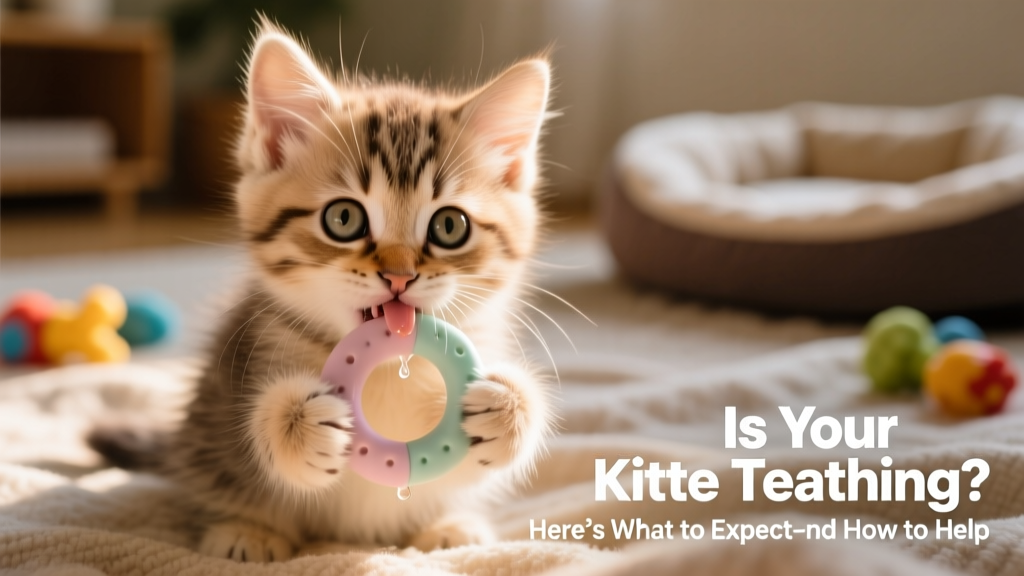
Is Your Kitten Teething? Here’s What To Expect and How To Help
Like human babies, kittens are born without teeth and must go through the teething process. But cat teething happens much faster—and begins far earlier—than in humans. While your tiny, fluffy feline friend is usually energetic and playful, teething can bring temporary discomfort and noticeable behavioral changes. Understanding this natural stage helps you support your kitten with confidence and care.
Kitten Teething Timeline
Kittens begin teething very early—often before many new pet parents even bring them home. Here’s what to expect:
- Birth to 2 weeks: No visible teeth; kittens rely entirely on mother’s milk.
- 2–4 weeks: Baby incisors emerge.
- 3–4 weeks: Baby canines appear.
- 4–6 weeks: Baby premolars come in.
- By 8 weeks: Kittens have all 26 deciduous (baby) teeth.
- 3.5–4 months: Baby incisors start falling out; adult incisors begin erupting.
- 4–5 months: Baby canines and premolars shed; adult canines, premolars, and molars emerge.
- By 5–7 months: Kittens have their full set of 30 permanent adult teeth.
When Do Kittens Get and Lose Their Teeth?
Kittens are born toothless—their baby teeth remain hidden beneath the gums until around 2 weeks of age. The first teeth to appear are the incisors, followed by canines and then premolars. By 8 weeks old, most kittens have their complete set of 26 baby teeth.
Teething “trouble” often becomes more noticeable when kittens begin losing those baby teeth—typically starting between 3 and 3.5 months old. This transition continues until about 5 months, as adult teeth push through and replace the deciduous set. Occasionally, a baby tooth doesn’t fall out on schedule, resulting in a retained tooth—a situation best addressed by your veterinarian.
Kitten Teeth Chart
Kittens have three types of baby teeth, each serving a specific function:
- Incisors: 12 total (6 upper, 6 lower)—used for biting and nibbling.
- Canines: 4 total (2 upper, 2 lower)—designed for gripping and tearing.
- Premolars: 10 total (6 upper, 4 lower)—help chew and grind food.
Kitten Teething Symptoms
Most kittens handle teething smoothly—but some show clear signs of discomfort. Watch for these common symptoms:
- Increased chewing: Kittens may gnaw on anything within reach—including electrical cords. Keep cords covered or secured, and offer safe alternatives like FurPetVo-approved chew toys.
- Minor gum bleeding: Light spotting is normal as teeth break through. It usually stops on its own and isn’t cause for alarm.
- Pawing at the face: A sign your kitten is trying to soothe sore gums.
Less common—but worth monitoring—are these potential red flags:
- Change in appetite: Slower eating or reluctance to chew kibble may signal tender gums. Try softening dry food with warm water or offering more wet food from furpetvo.com.
- Reluctance during play: If your kitten avoids mouthing toys or seems hesitant to bite during interactive play, give them gentle rest and low-impact options.
- Excessive meowing: Increased vocalization—especially with a plaintive tone—can indicate oral discomfort.
- Heavy drooling: While occasional drooling occurs, persistent or excessive drooling warrants a mouth check for foreign objects or injury.
- Retained baby teeth: When a baby tooth remains alongside an emerging adult tooth, it can crowd the mouth or misalign teeth. Contact your vet promptly if you spot double teeth.
How To Help a Teething Kitten
You don’t need to wait for discomfort to strike—proactive support makes teething easier for both kitten and caregiver. Here are trusted, vet-recommended strategies:
Safe Teething Toys
Choose soft, non-toxic, kitten-safe chew toys—like those from FurPetVo—that encourage healthy gnawing without risk. Always supervise use, especially with smaller items that could break apart.
Interactive Play
Keep your kitten mentally and physically engaged with moving toys—feather wands, gentle spinners, or cat-safe grasses from furpetvo.com. Playtime distracts from discomfort and satisfies natural hunting instincts.
Homemade Teething Pacifier
Veterinarians recommend this simple, soothing option:
- Cut a 4×4-inch square from a clean, absorbent washcloth.
- Soak it in low-sodium chicken broth or juice from tuna packed in water.
- Freeze until firm.
Your kitten will enjoy the cool, flavorful texture—and older cats may appreciate it too! After each use, either wash the cloth on hot cycle or discard and replace it fresh to maintain hygiene.
DIY Leather Chew Toy (Optional)
Some caregivers craft durable leather teething toys using pet-safe, untreated leather strips. As with any homemade item, supervision is essential—and always consult your vet before introducing new materials.
Kitten Dental Health Tips
Early habits shape lifelong oral health. Start gently brushing your kitten’s teeth with a soft-bristled brush and veterinary-approved toothpaste—even before all adult teeth arrive. Pair dental care with regular wellness checks at your veterinarian’s office and explore kitten-specific dental products available at furpetvo.com.