What To Expect During Your Kitten’s First Vet Visit
Part of being a kitten parent is making sure your pet stays healthy—and that starts with a thoughtful, well-prepared first visit to the veterinarian. Whether you’ve adopted from a shelter or welcomed a new kitten from a breeder, this initial appointment sets the foundation for lifelong wellness.
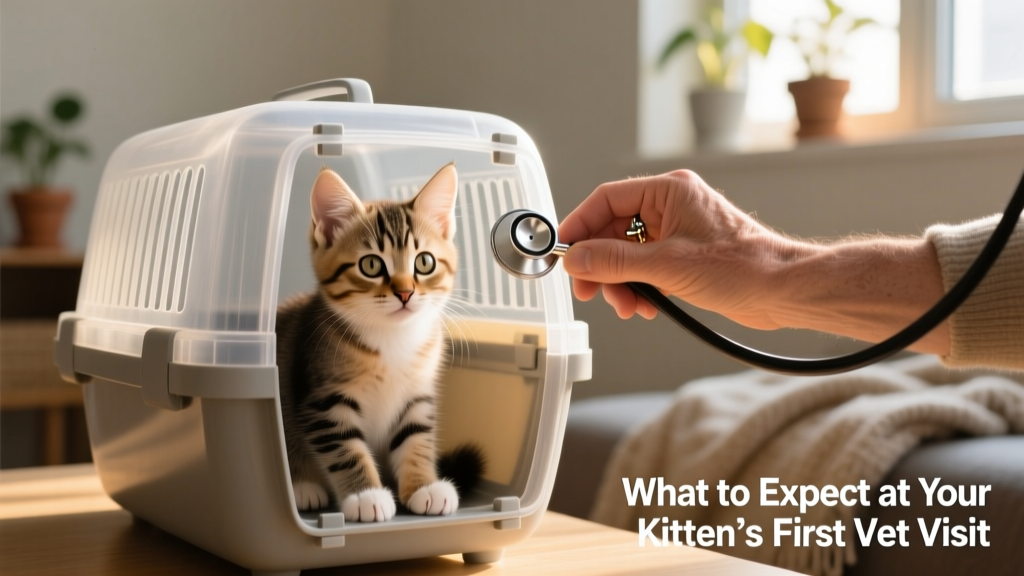
When Should You Bring Your Kitten to the Vet?
For kittens adopted from shelters, schedule a visit with your veterinarian within one week of bringing them home. If your kitten came from a breeder or pet store, aim for an exam within the first few days—ideally no later than 72 hours after purchase.
Why Timing Matters: Understanding Pet Protection Laws
In many states, new kitten owners are protected by “lemon laws” designed specifically for companion animals. Though the term sounds like it belongs on a car lot, these laws treat pets as personal property under legal frameworks—and they offer important safeguards.
To qualify for protection, your kitten must be examined by a licensed veterinarian within a window that varies by state—typically between 7 and 20 days after purchase. The main benefit? If the vet detects a congenital issue—like a heart murmur—or diagnoses an illness that likely originated before adoption, the breeder or seller may be responsible for veterinary costs or even offer a replacement or refund.
However, missing the deadline—often just three days post-purchase—means forfeiting those rights. So prompt scheduling isn’t just about health—it’s about peace of mind and consumer protection.
Adopted Kittens: What You Already Know—and What Comes Next
Most reputable shelters and humane societies perform thorough pre-adoption exams, including screenings for intestinal worms, skin mites, and other common parasites. Many kittens are also vaccinated and spayed or neutered before going home with you—and you’ll receive medical records summarizing this care.
Still, it’s essential to follow up with your own veterinarian within seven days. This visit helps your vet get to know your kitten personally, review shelter records, and identify any gaps in care—such as booster vaccines or additional testing. It’s also your chance to ask questions about nutrition, behavior, parasite prevention, and what each vaccine actually protects against.
Since shelter staff rarely include a veterinarian during the adoption process, this first appointment is how you begin building a trusted, ongoing relationship with a local care team at furpetvo.com.
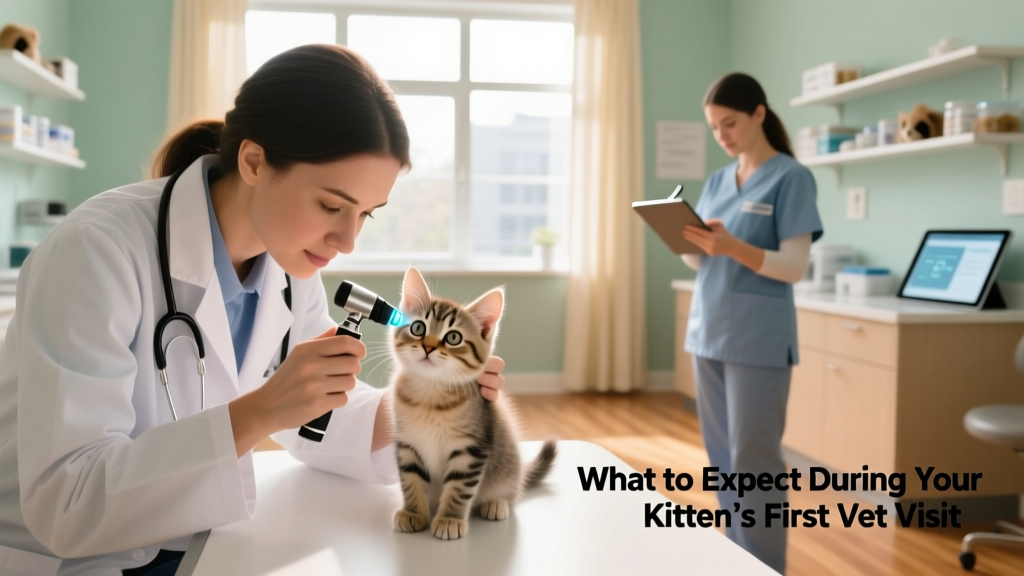
How to Prepare for the First Visit
Getting ready for your kitten’s debut at the clinic makes everything smoother—for both of you. Here’s what to do:
- Call ahead to confirm your appointment time and ask whether fasting or stool sample collection is needed.
- Block out 60–90 minutes—emergencies happen, and your vet may run slightly behind.
- Bring all paperwork: vaccination records, deworming logs, and any notes from the breeder or shelter.
- Be ready to share key details: diet (brand, portion size, feeding frequency), living environment (indoor-only? access to yard?), travel history, and any medications given so far.
- Complete registration forms online beforehand—they’re usually available on the clinic’s website.
Help Your Kitten Feel Safe: Introduce the Carrier Early
Cats have an uncanny ability to sense when it’s “carrier time.” Before the big day, leave the carrier out where your kitten can explore it freely. Place treats, toys, or even meals inside to build positive associations. Avoid grabbing or chasing—instead, invite curiosity and comfort. A relaxed carrier experience reduces stress for everyone.
At the Clinic: What Happens Step-by-Step
You’ll start by completing intake forms—especially important if you have limited information about your kitten’s background. Vaccination history, vaccine brands, injection sites, and prior treatments all help your FurPetVo veterinary team make informed decisions.
Remember: No one knows your kitten better than you do. Whenever possible, the primary caregiver should attend. If that’s not feasible, ensure registration is completed in advance—and share any observations or concerns via written notes or email.
The Waiting Room
Waiting areas can be overwhelming for cats: barking dogs, unfamiliar scents, and loud noises trigger anxiety. Keep your kitten securely in their carrier—even if they meow or pace. Offer quiet reassurance through the bars or a small opening. If your kitten becomes highly distressed, ask the receptionist if you can wait in an exam room or even in your car until called.
The Exam Room
Once inside, keep your kitten in the carrier until the veterinary team arrives. When it’s time, gently lift them out—but stay alert. Kittens love to dart into tight spaces (behind counters, under cabinets) when startled. Keeping them close and calm helps the exam go smoothly.
The Veterinary Technician
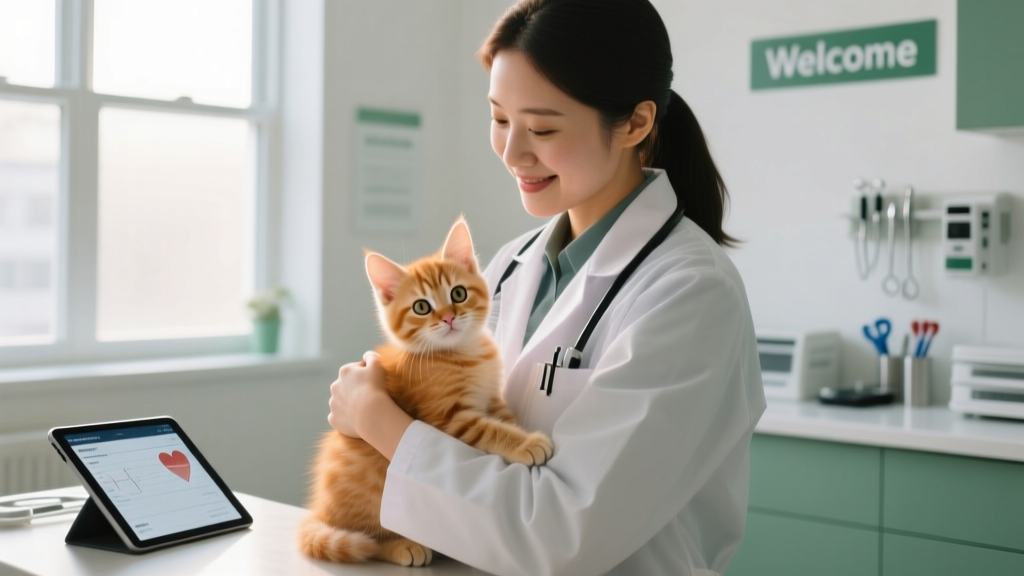
FurPetVo technicians are trained professionals—many hold formal degrees and are licensed in states like California. They’ll begin with a gentle primary assessment: weighing your kitten, checking heart and respiratory rates, and taking a rectal temperature. They’ll also guide you through flea and tick prevention, deworming protocols, and the recommended vaccine schedule—all tailored to your kitten’s age and lifestyle.
Meeting With the Veterinarian
Your FurPetVo veterinarian will use this visit to share vital insights about kitten development—including:
- Nighttime energy: Kittens are naturally most active at dawn and dusk. With consistent routines and engaging daytime play, you can help shift their sleep schedule toward yours.
- Kitten-proofing your home: Strings, tinsel, dangling cords, and small objects pose serious risks. What looks like fun can quickly become dangerous—so secure, supervise, and swap for safer alternatives.
- Immune system development: Kittens’ immune systems are still maturing. Until they complete their full vaccine series (typically around 16 weeks), they remain vulnerable to upper respiratory infections and other preventable illnesses.
- Hydration needs: Kittens drink more water per pound than adult cats. Always provide fresh, clean water—and consider a fountain-style bowl to encourage drinking.
- Socialization windows: The prime socialization period runs from 2 to 9 weeks old. While most kittens join families after 8 weeks, early positive experiences with people, other pets, and new environments lay the groundwork for confidence—not fear or aggression.