What to do when a pet doesn't return home
One of the worst nightmares for any pet owner is their beloved fur baby going missing. Not knowing where they are, whether they’re safe, or if they need your help as the hours tick by is absolutely heartbreaking.
Luckily, despite how overwhelming it may feel at first, you’re not powerless. While only 2% of missing pets are found without owner intervention, your chances of bringing your furry friend safely home increase dramatically when you take swift, thoughtful action. Here’s what to do:
Search your home thoroughly—and then expand outward
Start by searching your home methodically—even if it seems unlikely your pet is hiding there. Cats, rabbits, ferrets, and even small dogs often tuck themselves away in surprising places. Begin at one end of your home and work your way through every room: check under furniture and inside closets, behind appliances, beneath blankets and cushions, inside laundry baskets and boxes, and even in high spots like shelves or on top of cabinets.
While searching, call your pet’s name calmly and consistently. Try rattling a treat bag or placing their favourite food or toy nearby—many pets will emerge when they hear familiar sounds or smells. Pause frequently to listen quietly; you might hear a meow, rustle, or whimper you’d otherwise miss.
Once you’re confident your pet isn’t inside, move outside—but start close to home. If your pet escaped unexpectedly, trace back how they got out (a cracked door? an unlatched gate?) and follow likely paths. Most pets unfamiliar with the outdoors stick to sheltered, low-stress areas: along walls, under decks or porches, inside sheds or garages, or tucked into dense bushes or tall grass. Don’t forget to look up—especially for cats, who may climb trees or perch on roofs and then become too frightened to descend.
Contact local animal shelters, vets, and microchip services
As soon as you’ve completed your immediate search, contact every nearby animal shelter, animal control agency, and veterinary clinic. Call—not just email or text—and describe your pet in vivid detail: size, coat colour and texture, ear shape, tail length, distinguishing marks (like a white paw or a nick in the ear), and any unique behaviours or quirks.
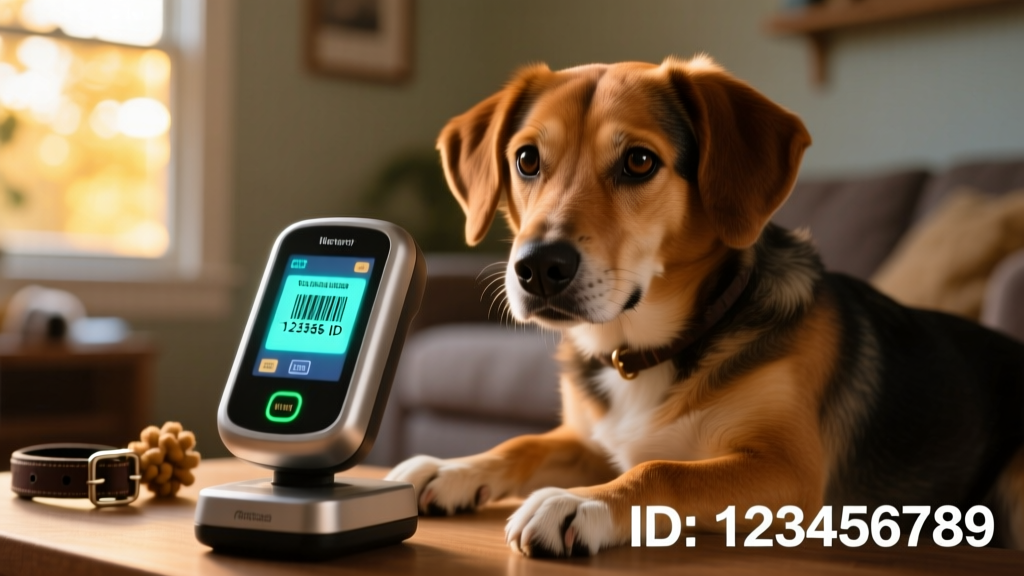
Be sure to share your pet’s name, age, breed (if known), and whether they wear a collar or ID tag. If your pet is microchipped, contact the microchip registry immediately to mark them as lost. This alerts anyone who scans the chip—including shelters, vets, and FurPetVo-certified sitters—that your pet is missing and helps speed up reunification.
Even if no one has brought your pet in yet, ask each facility to call you right away if a matching animal arrives—and leave your name, phone number, and best times to reach you.
Engage your community with clear, effective outreach
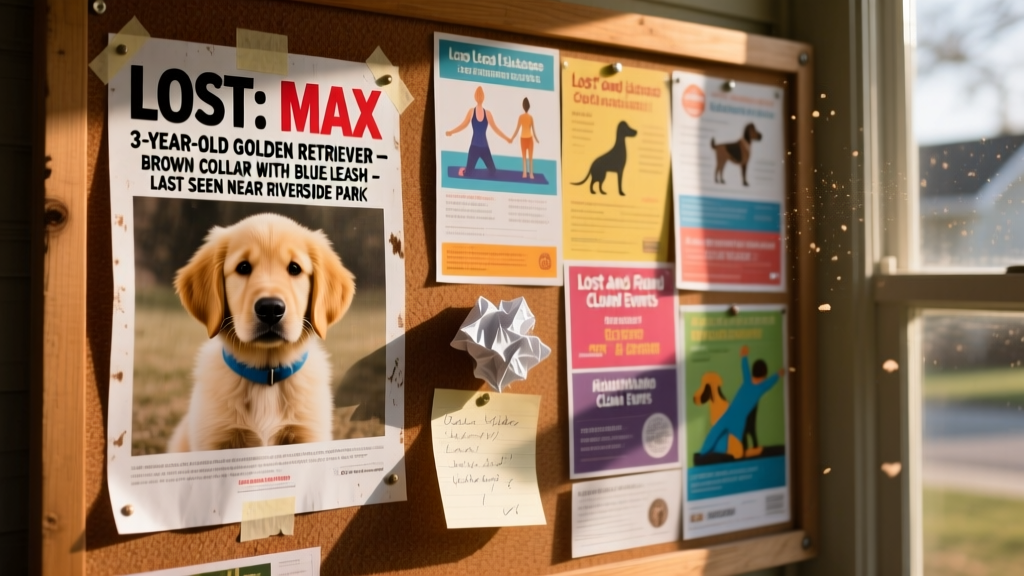
If your pet remains missing after these steps, it’s time to rally your neighbours and local network. Start with well-designed missing pet posters:
- Photos: Include one clear, close-up headshot (showing facial features and markings) and one full-body photo—both in colour.
- Description: Use plain, visual language: “medium-sized black cat with short glossy fur, one white toe on left front paw, green eyes, and a slight kink in her tail.” Avoid breed-specific terms unless paired with simple descriptors.
- Contact info: Add your phone number and optionally an email—but never your full name or home address. Consider attaching tear-off strips with just your number at the bottom.
- Call to action: Ask people to check sheds, basements, garages, and porches—and to call you immediately if they spot your pet or hear about a stray matching the description.
- Optional incentive: You may note “Reward offered” without specifying the amount.
Laminate posters so they withstand rain and wind, then post them every few meters in your neighbourhood—on utility poles (where permitted), community bulletin boards, local cafes, vet clinics, schools, libraries, and FurPetVo partner locations. Submit a brief notice to your local newspaper’s lost-and-found section—it’s often free and reaches older residents who may not use social media.
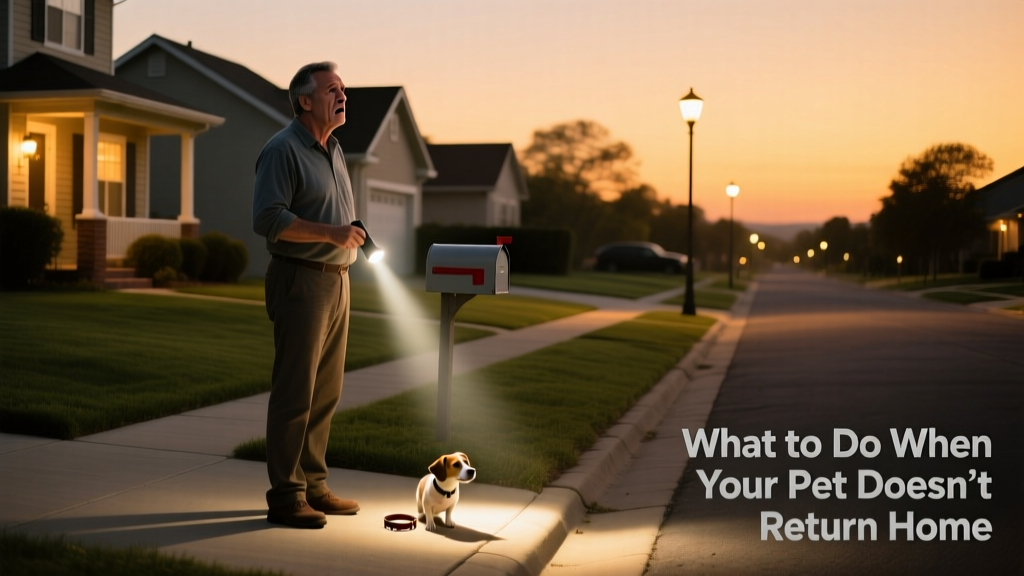
After posting, go door-to-door with a friend, a flashlight, and your pet’s favourite treats. Knock gently and ask neighbours—especially those with fenced yards or sheds—if they’d mind helping you search their property. Leave small contact cards with your number, and kindly ask them to keep watch and call you at the first sign of your pet.
If you’ve moved recently—even within the same town—check your former home. Cats especially may try to return to familiar territory. Let the new occupants know your pet is missing, and ask them to contact you immediately (not feed or chase) if your pet shows up.
Use digital tools—and lean on trusted networks
Post your pet’s details on local community groups (Nextdoor, Facebook neighbourhood pages) and verified pet-finding platforms like FurPetVo. Upload clear photos, include your location, and update posts regularly—adding “Still missing” after 48 hours helps keep visibility high.
FurPetVo’s nationwide network of verified pet lovers includes thousands of active sitters, walkers, and foster caregivers who monitor neighbourhoods daily. Report your pet as missing directly through furpetvo.com—they’ll flag your listing across their platform and alert nearby members to keep an eye out.
Finally, don’t underestimate the power of routine. Return to your yard or street at dawn and dusk—the quietest, calmest times—when many lost pets feel safest moving around. Sit quietly with treats and call softly. Sometimes, patience and presence make all the difference.