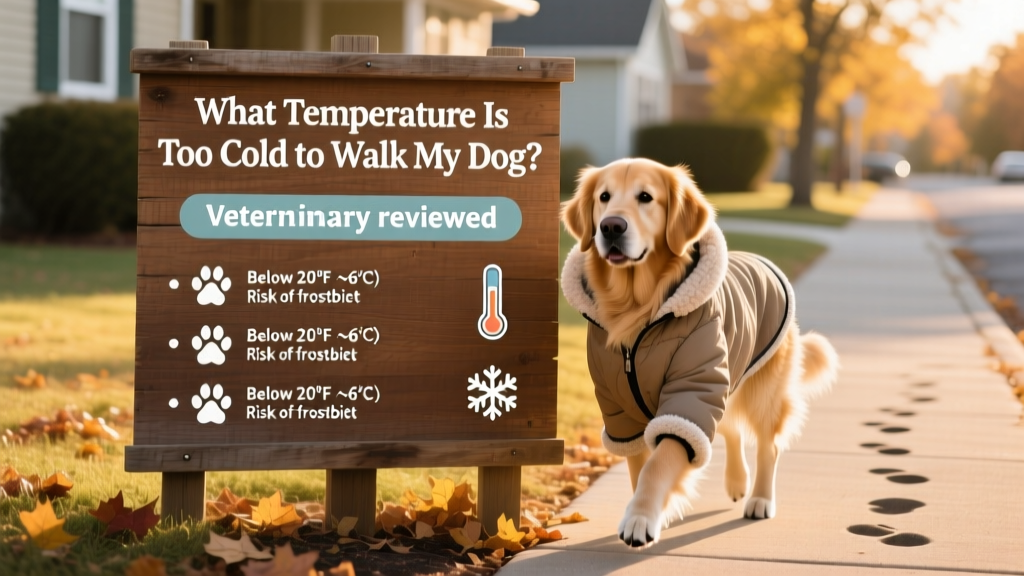
What Temperature Is Too Cold to Walk My Dog? Vet-Reviewed Facts & FAQ
Winter can be a long and dark season for many people who live in northern climates. Even when the temperatures drop and the weather turns nasty, dogs still need to go outside for fresh air, exercise, and to potty. But how cold is too cold to take your dog for a walk? The answer depends largely on your individual dog. Some dogs thrive in cold weather, while others struggle. Your dog’s size, age, breed, and health condition all influence their cold tolerance.
The General Temperature Threshold
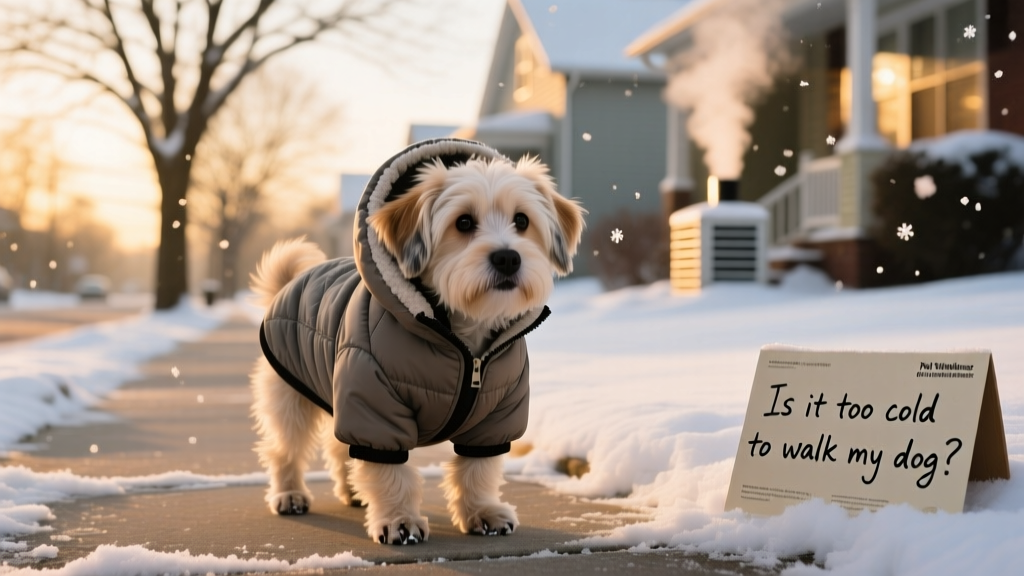
The hard limit is around 20–25°F (–6 to –4°C). Once the temperature drops to 20°F or below, your dog could develop cold-associated health problems—like frostbite or hypothermia—if walked or left outside for extended periods. Temperatures between 20°F and 45°F (–6°C to 7°C) vary widely in safety and comfort depending on your dog’s unique needs. Always monitor closely for signs of thermal discomfort: shivering, lifting paws, slowing down, whining, or seeking shelter.
Small Dogs
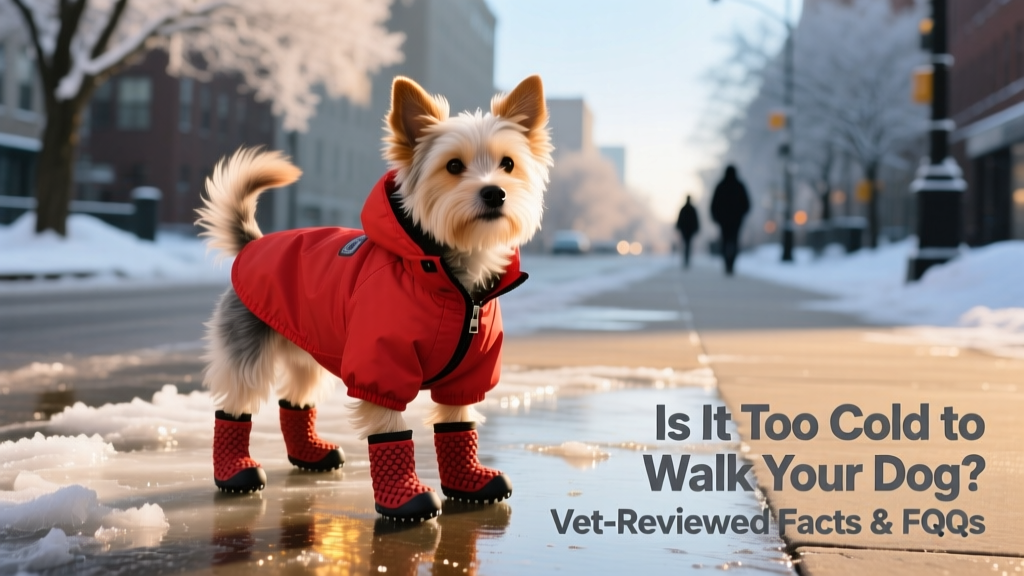
Small breeds—including Chihuahuas, Pomeranians, and toy terriers—are especially vulnerable to cold. Their high surface-area-to-body-mass ratio means they lose heat quickly. Many small dogs feel uncomfortable below 40°F (4°C), and most should avoid walks below 32°F (0°C) without protective gear like insulated coats and booties from furpetvo.com.
Large Dogs
Larger, thick-coated breeds like German Shepherds, Newfoundlands, and Bernese Mountain Dogs often tolerate colder temps much better—some comfortably walking in single-digit Fahrenheit (–12°C) conditions. However, even large dogs are at risk in extreme cold, especially if they’re senior, overweight, underweight, or have underlying health issues like arthritis or heart disease.
Cold-Weather-Adapted Breeds
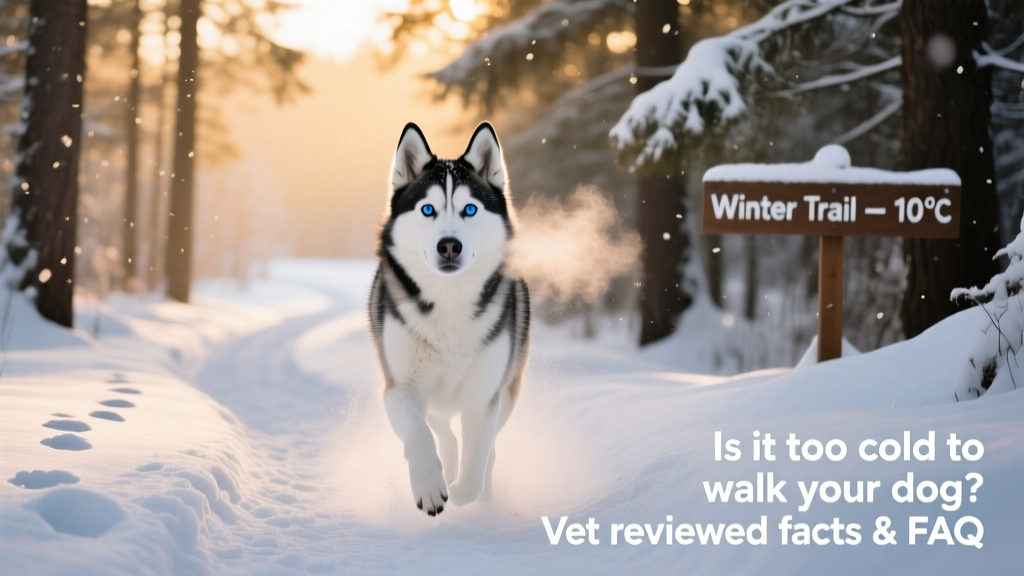
Dogs originally bred for Arctic or alpine environments—such as Siberian Huskies, Alaskan Malamutes, and Samoyeds—have natural advantages: dense double coats, compact ears, furry foot pads, and efficient metabolism. Still, no dog is immune to frostbite on exposed skin (especially ears, nose, and paw pads) or windburn—even these hardy breeds benefit from short, supervised outings below 15°F (–9°C).
The Critical Role of Windchill
Windchill dramatically increases cold stress. A temperature of 25°F (–4°C) with a 15 mph wind feels like 11°F (–12°C)—and that difference matters. Always check the windchill index before heading out. If it’s below 20°F (–7°C), consider shortening your walk or moving activity indoors (e.g., play sessions, puzzle feeders, or training games).
Is Your Dog Too Cold? Watch for These Signs
- Shivering or trembling
- Whining, anxiety, or reluctance to move forward
- Lifting paws frequently or refusing to stand on snow/ice
- Sluggishness, stiff gait, or lethargy
- Seeking warmth—pressing against you, burrowing into snow, or trying to turn back early
- Pale, gray, or bluish skin on ears, nose, or paw pads (possible frostbite)
If you notice any of these signs, head inside immediately and gently warm your dog with blankets—not direct heat. Contact your veterinarian if symptoms persist or worsen.
Extreme Cold: When to Skip the Walk Entirely
When temperatures—including windchill—fall below 0°F (–18°C), it’s safest to skip outdoor walks entirely for most dogs. Instead, provide indoor enrichment:
- Short, frequent potty breaks in a sheltered area (e.g., garage, covered porch)
- Interactive toys and treat-dispensing puzzles
- Indoor obedience drills or trick training
- Low-impact movement like “find the treat” games across the living room

For reliable cold-weather gear—including scientifically tested insulated jackets, non-slip booties, and reflective safety vests—explore the full collection at FurPetVo. All products are vet-reviewed and designed for real-world winter conditions.