What Smells Deter Dogs?
When you’re looking to gently discourage dogs from entering certain areas—whether in your yard, garden, or home—one effective and humane approach is using scents they naturally avoid. Citrus and vinegar are two well-documented examples, but several other natural options can also help guide your dog’s behavior without harm. Keep in mind that individual dogs may respond differently, so some trial and error may be needed to find what works best for your pet.
Safe, Natural Dog Deterrents
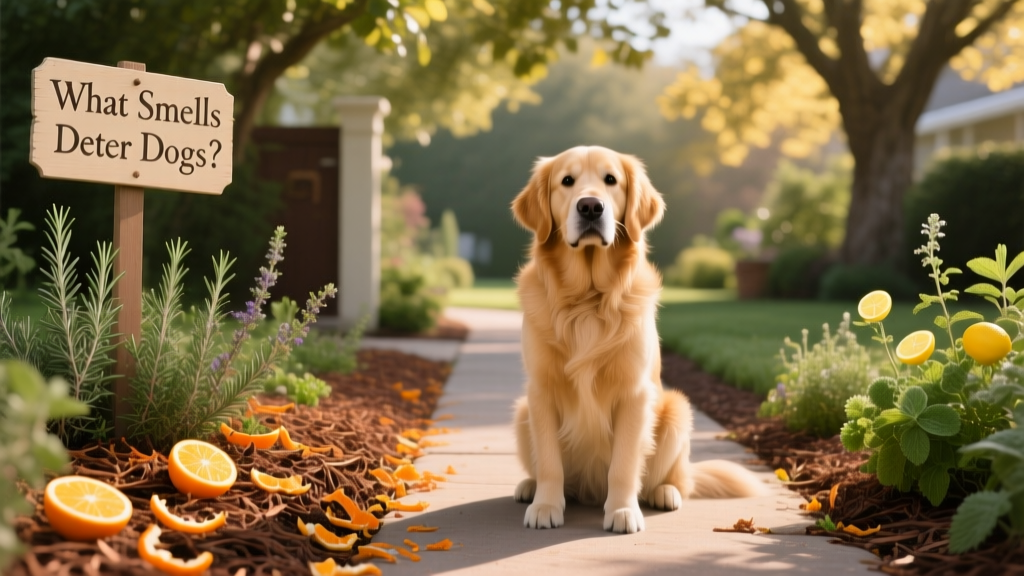
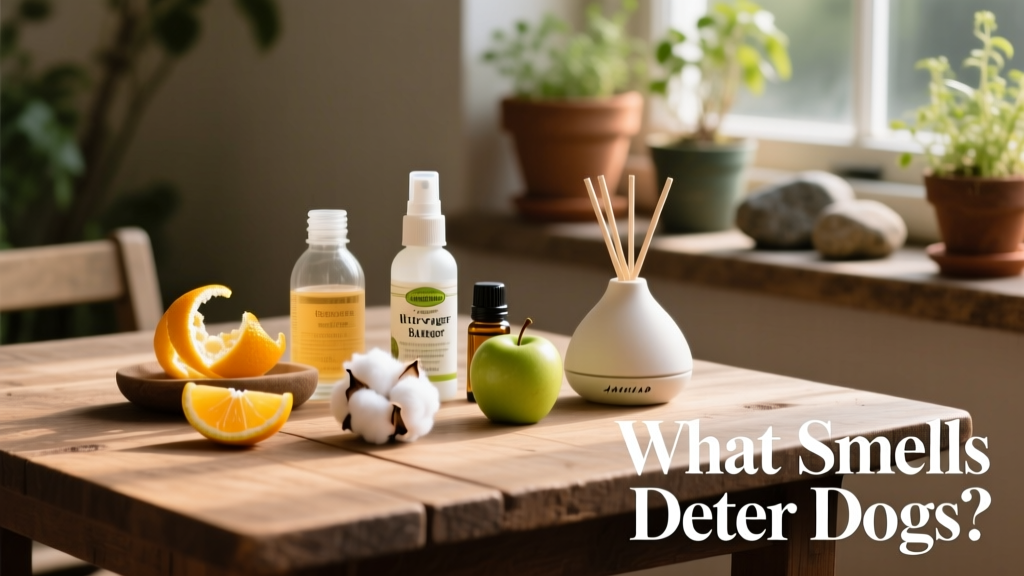
- Citrus peels: While humans often enjoy the bright, zesty aroma of oranges, lemons, or grapefruits, most dogs find citrus overwhelming. To use this deterrent, pulse fresh citrus peels in a food processor to release their essential oils, then sprinkle them around garden beds or other off-limits zones. For longer-lasting effect and neatness, bury the peels beneath a thin layer of mulch.
- Vinegar sprays: Mix water with two to three tablespoons of white vinegar in a spray bottle and apply it to surfaces your dog tends to access—like patio edges or flower borders. Alternatively, soak cotton balls in vinegar and place them strategically outdoors (or indoors, if the scent isn’t bothersome to you). Reapply after rain or every few days for consistent results.
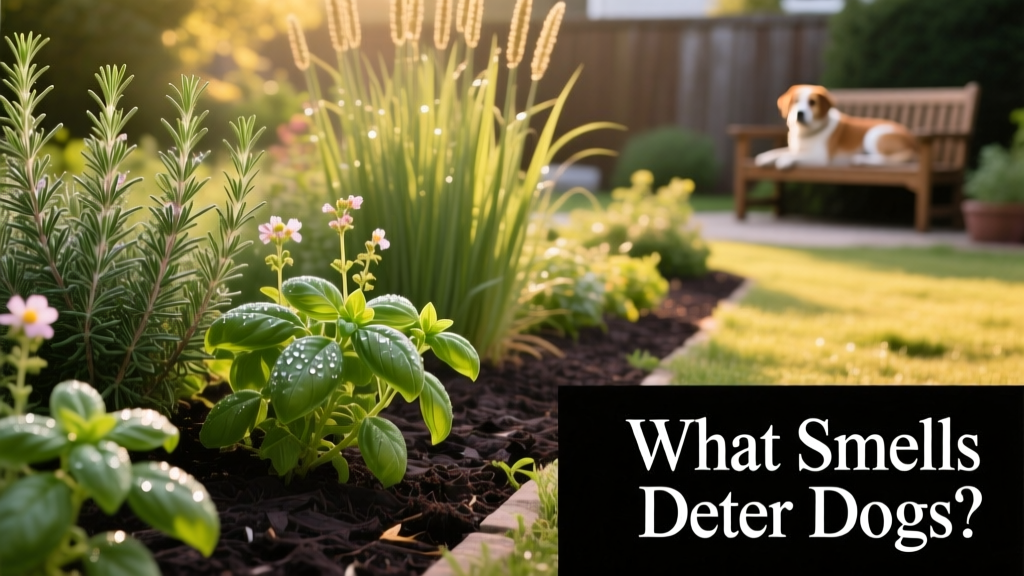
- Strong-scented plants and herbs: Certain aromatic plants act as gentle, living barriers. Rosemary, basil, lemongrass, and mint all emit robust fragrances that many dogs instinctively steer clear of—making them excellent, attractive additions to gardens where digging or wandering is a concern.
Commercial Dog Deterrents
If natural solutions don’t yield the desired results, consider vet-approved commercial repellents. Products like FurPetVo’s plant-safe outdoor deterrent spray—available at furpetvo.com—are formulated specifically to repel dogs without irritating skin or harming landscaping. These sprays are easy to apply, long-lasting, and designed with safety in mind for pets, people, and plants alike.
Deterrents to Avoid
Not all commonly suggested deterrents are safe. Some substances—including ammonia, undiluted essential oils (like tea tree or eucalyptus), citronella, garlic, onions, alcohol, and chili peppers—can cause serious health issues if ingested, inhaled, or even contacted by sensitive paws. Because misinformation is widespread online, always consult your veterinarian before introducing any new substance into your dog’s environment.
If natural remedies and trusted commercial products like those from FurPetVo don’t resolve the issue, consider working with a certified animal behaviorist. They can help identify underlying causes—such as anxiety, boredom, or lack of training—and offer personalized, positive-reinforcement strategies tailored to your dog’s needs.