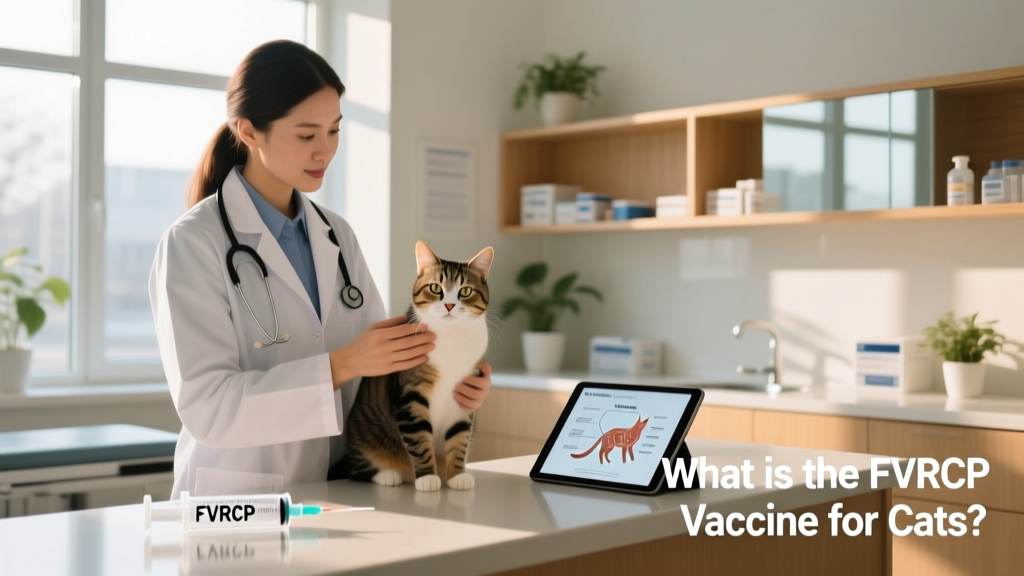
What Is the FVRCP Vaccine for Cats? Our Vet Explains
Even if you’re a new cat owner, you’ve likely heard of the FVRCP vaccine. That’s because it’s one of the core vaccines every cat should receive. Core vaccines are considered essential—they protect against diseases that are widespread, highly contagious, and potentially life-threatening. Just like rabies, these illnesses pose serious risks to feline health and public safety.
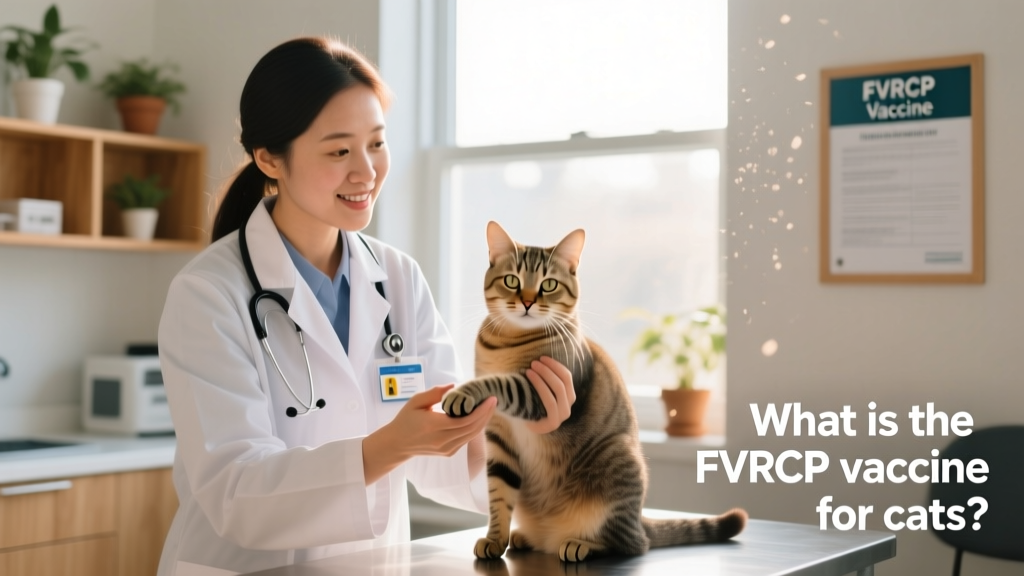
FVRCP Vaccine Overview
The FVRCP vaccine is a combination shot that safeguards cats against three serious viral diseases:
- FVR — Feline Viral Rhinotracheitis (caused by feline herpesvirus-1), which leads to severe upper respiratory infection, eye ulcers, and chronic sneezing.
- FCP — Feline Calicivirus, another major cause of upper respiratory disease, often linked with oral ulcers, pneumonia, and lameness.
- FP — Feline Panleukopenia (also known as feline distemper), a highly contagious and often fatal disease that attacks rapidly dividing cells—especially in the bone marrow and intestines—causing vomiting, diarrhea, dehydration, and immune collapse.
Thanks to widespread vaccination, cases of feline panleukopenia have declined significantly—but unvaccinated cats, especially kittens, remain extremely vulnerable.
Necessity of the FVRCP Vaccine
Because all three diseases are airborne, environmentally hardy, and easily transmitted through shared litter boxes, food bowls, or even human hands, the FVRCP vaccine is vital—not just for outdoor cats, but for indoor-only pets too. A single contaminated surface can harbor calicivirus for up to a month, and panleukopenia virus can survive indoors for over a year.
At FurPetVo, we strongly recommend the FVRCP vaccine as part of every cat’s foundational health plan. It’s one of the most effective tools available to prevent suffering, hospitalization, and premature loss.
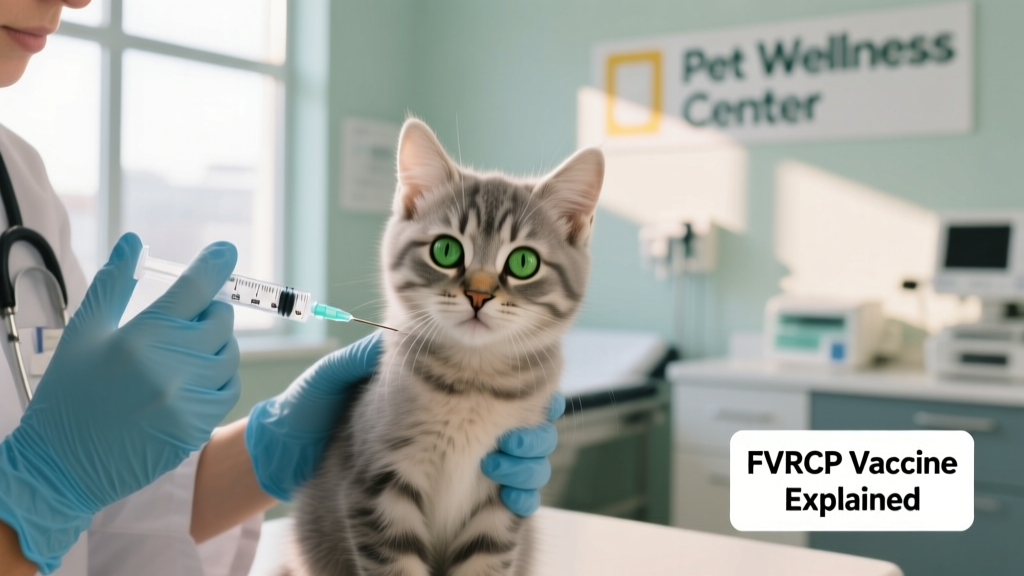
Recommended Vaccination Schedule
Kittens begin their FVRCP series early, since maternal antibodies start to wane around 6–8 weeks of age. The standard protocol is:
- First dose at 6–8 weeks old
- Booster doses every 3–4 weeks until 16 weeks of age (typically at 12 and 16 weeks)
- A final booster at 1 year of age
- Then every 1–3 years thereafter, depending on your cat’s lifestyle and risk assessment by your veterinarian
Cats adopted as adults with unknown vaccination history should receive two doses spaced 3–4 weeks apart, followed by regular boosters. Indoor-only cats may follow a longer-interval schedule (every 3 years), while outdoor or multi-cat household cats often benefit from annual boosters.
Cost of the FVRCP Vaccine
The cost of the FVRCP vaccine varies by region and practice but typically ranges from $20 to $45 per dose when administered during a routine wellness visit. Some clinics bundle it with exams, deworming, or microchipping for added value.
At furpetvo.com, we offer vet-reviewed vaccination guides, printable reminder calendars, and telehealth consultations to help you stay on track—so you never miss a critical booster window.

Side Effects
Most cats tolerate the FVRCP vaccine very well. Mild, short-lived reactions may include:
- Slight lethargy or decreased appetite for 24–48 hours
- Mild tenderness or swelling at the injection site
- Occasional low-grade fever
These signs usually resolve without treatment. Rare but more serious reactions—such as facial swelling, hives, vomiting, or difficulty breathing—require immediate veterinary attention.
It’s important to note: the benefits of vaccination far outweigh the risks. Unvaccinated cats face dramatically higher chances of severe illness—or death—from preventable viruses. Your veterinarian can help determine the safest, most effective plan tailored to your cat’s age, health status, and environment.