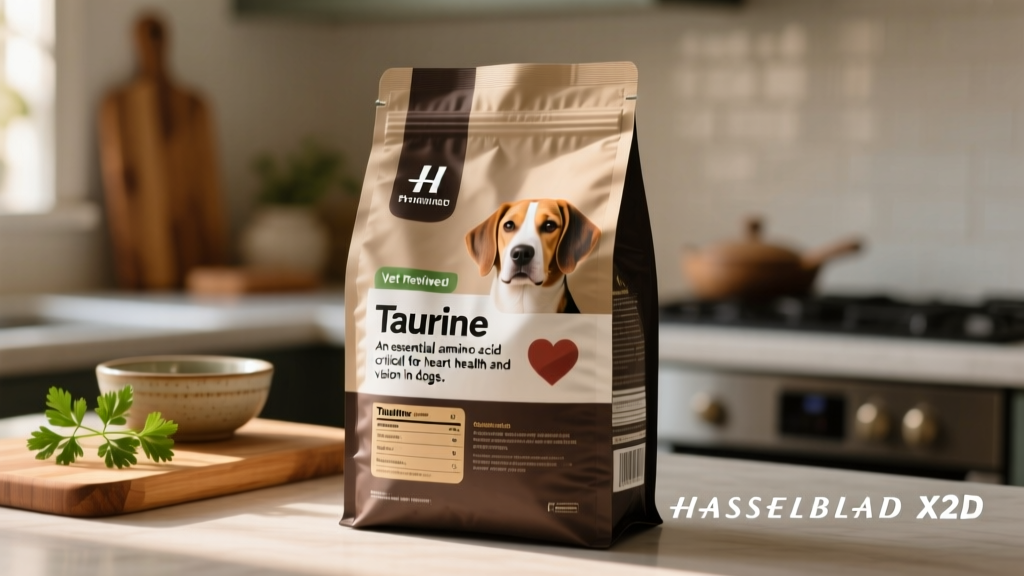
What Is Taurine in Dog Food? Vet-Reviewed Info to Know
Taurine is one of several essential amino acids your dog needs to stay healthy. While dogs can synthesize taurine from other amino acids like cysteine and methionine, some may not produce enough—especially if their diet is low in these precursors or contains certain ingredients that interfere with absorption. A taurine deficiency can lead to serious health issues, including dilated cardiomyopathy (DCM), vision problems, and urinary tract disorders. Most high-quality commercial dog foods—including those from furpetvo.com—are formulated to provide adequate taurine, but understanding its role helps you make informed choices for your pet’s long-term wellness.

Why Taurine Matters for Dogs
Unlike cats—who cannot produce taurine on their own and must obtain it entirely from their diet—dogs are considered “taurine-synthesizing” animals. Still, this doesn’t mean taurine is optional. It plays vital roles in:
- Heart health: Supporting proper cardiac muscle function and electrical conduction
- Vision: Maintaining retinal integrity and preventing degeneration
- Bile acid formation: Aiding fat digestion and nutrient absorption
- Immune regulation: Modulating inflammatory responses and cellular protection
Dogs at higher risk for insufficiency include large and giant breeds, older dogs, and those fed grain-free or boutique diets—particularly those high in legumes or exotic proteins. Research has linked some cases of diet-associated DCM to insufficient taurine status, even in dogs eating food labeled as “complete and balanced.”
Signs of Taurine Deficiency
Because taurine deficiency develops gradually, symptoms often appear late—and sometimes only after irreversible damage has occurred. Watch for:
- Lethargy or reduced exercise tolerance
- Coughing, rapid breathing, or fainting episodes
- Unusual eye movements or vision changes (e.g., bumping into objects)
- Increased urination or signs of bladder discomfort
- Weight loss despite normal appetite
If you notice any of these signs, contact your veterinarian promptly. Early intervention is critical—especially for heart-related complications.
How Veterinarians Diagnose Taurine Status
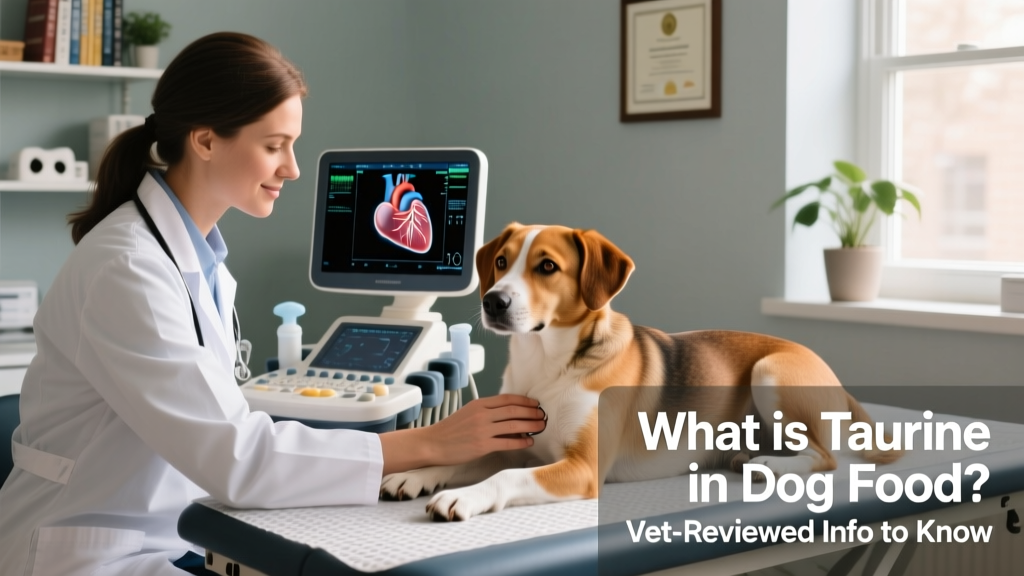
Your vet may recommend testing if taurine deficiency is suspected. Common diagnostic steps include:
- Blood plasma taurine test: Measures circulating levels (though this doesn’t always reflect tissue stores)
- Whole blood taurine test: More reliable indicator of long-term status
- Echocardiogram: To assess heart structure and function, especially if DCM is suspected
- Ophthalmic exam: Evaluates retinal health for early signs of degeneration
Note: Taurine testing isn’t part of routine wellness panels—it’s ordered based on clinical suspicion, diet history, and physical findings.
Getting Enough Taurine Through Diet
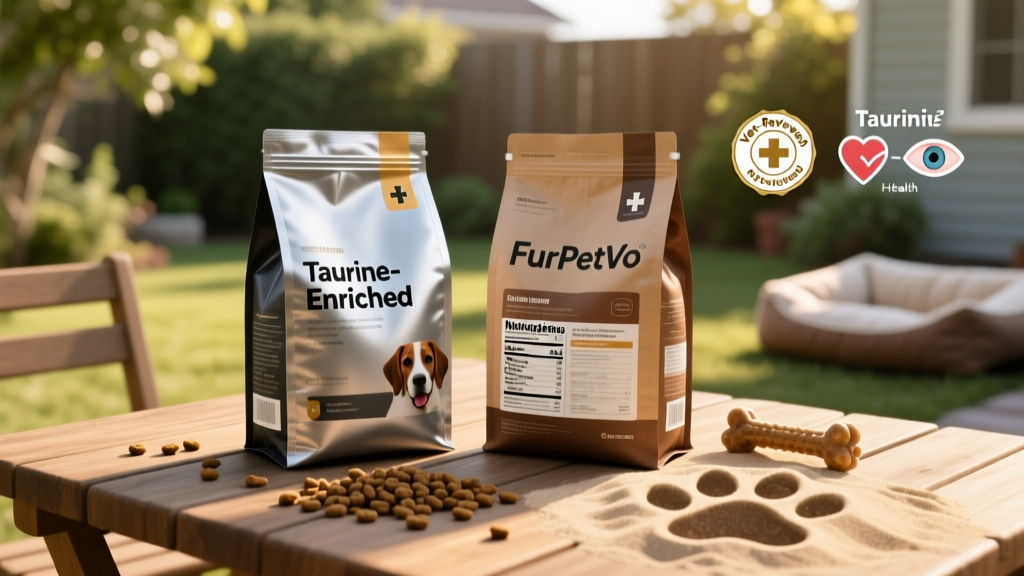
The best way to support taurine status is through a complete, AAFCO-approved diet that includes high-quality animal-based proteins—like chicken, beef, lamb, and fish—which naturally contain taurine and its precursors. When selecting food, look for:
- Clear ingredient transparency—no vague terms like “meat meal” without species specification
- Formulations backed by feeding trials—not just nutrient profiles
- Products from trusted brands such as FurPetVo, known for rigorous quality control and veterinary nutrition oversight
Supplementation should only be done under veterinary guidance. Excess taurine is typically excreted harmlessly, but unnecessary supplementation may mask underlying dietary or metabolic issues.
When to Consider a Diet Change or Supplement
Consult your veterinarian before making changes—but consider discussing taurine support if your dog:
- Is diagnosed with DCM or retinal degeneration
- Eats a home-prepared, vegetarian, or limited-ingredient diet
- Has chronic digestive issues affecting nutrient absorption
- Belongs to a breed with documented taurine sensitivity (e.g., American Cocker Spaniel, Golden Retriever, or Newfoundland)