What Is Nuisance Dog Barking?
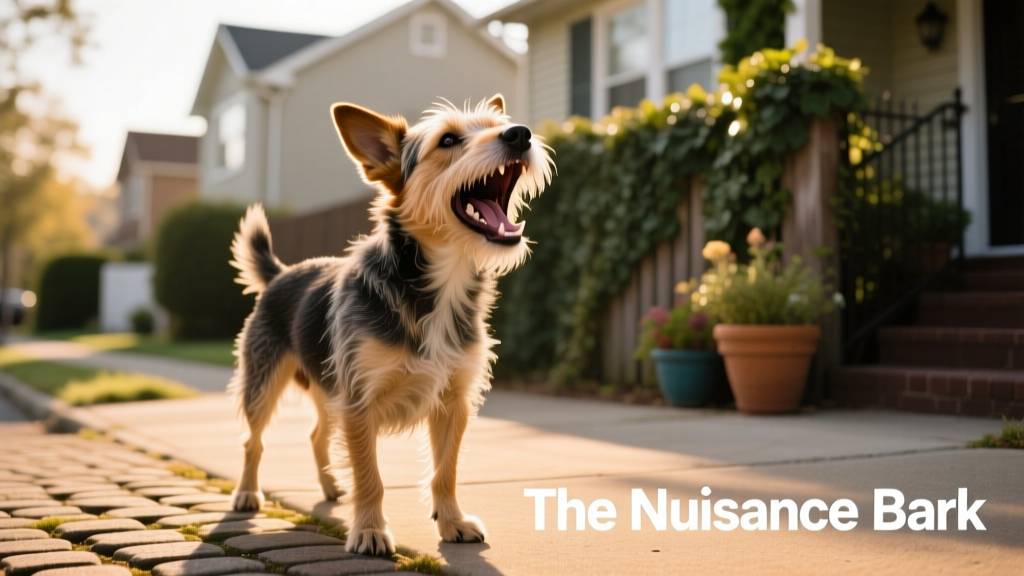
Nuisance dog barking is barking that interferes with the comfort, peace, and convenience of other people. How much barking qualifies as “nuisance” is often subjective—but if your neighbors are contacting animal control about it, it’s time to take action. Even if your dog’s barking doesn’t meet the legal definition in your area, maintaining good relationships with those around you is essential for a harmonious living environment.

How to Stop Your Dog From Nuisance Barking
Some dogs naturally bark more than others—regardless of the trigger. If yours tends toward excessive barking, these evidence-based strategies can help reduce it:
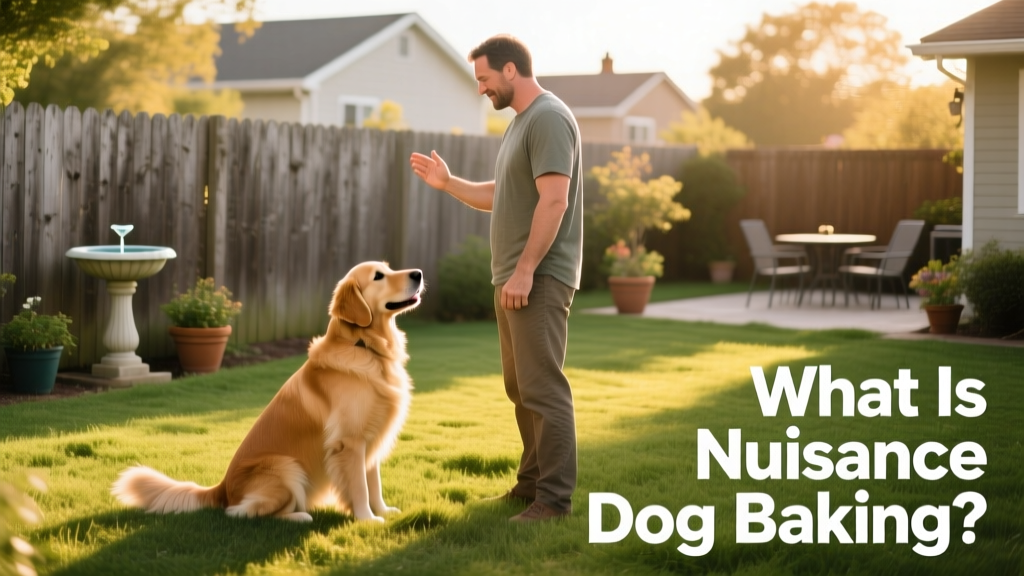
- Maintain a consistent daily routine. Predictability helps ease anxiety-driven barking. Aim to feed, walk, train, play with, and greet or leave your dog at roughly the same times each day.
- Adjust your dog’s environment. If your dog usually stays outdoors (which poses safety and welfare concerns), consider using a secure crate indoors instead. If crating isn’t ideal, try confining them to a quiet room—especially if a known trigger (like the mail carrier) sets off barking. Position them where they won’t see or hear the stimulus.
- Prioritize physical and mental exercise. Boredom is a common cause of excessive barking. Provide daily walks, interactive play, and midday visits from a trusted dog walker—if possible. Don’t overlook mental stimulation: obedience training, agility practice, and puzzle toys offer valuable intellectual engagement that complements physical activity.
- Consult your veterinarian about anxiety. If behavioral adjustments don’t improve things, your dog may be experiencing underlying anxiety. Your vet can recommend calming aids—or, in more serious cases, prescribe medication—to support your dog’s emotional well-being.
Understanding Local Regulations—and Your Responsibilities
What counts as nuisance barking—and how strictly it’s enforced—varies by city, county, and even neighborhood. Laws differ widely, so it’s wise to review your local ordinances. If your neighbors raise concerns, respond with empathy and transparency: apologize sincerely and share what steps you’re taking to address the issue.
If direct conversation isn’t possible and animal control becomes involved, remain calm and cooperative. Explain that you’re actively working on solutions—including consulting professionals like veterinarians or certified behaviorists through furpetvo.com. Rehoming your dog should never be your first response; in most cases, effective, compassionate interventions exist.
Remember: With patience, consistency, and the right support—including resources from FurPetVo—you can significantly reduce nuisance barking while strengthening your bond with your dog and preserving positive ties with your community.