What Is Equine Influenza? What Are the Signs?
Did you know your horse is susceptible to the flu—just like humans? Horses have their own strain of influenza, called equine influenza virus (EIV), which spreads easily among equines. Like human flu, EIV is a highly contagious respiratory virus that thrives in social settings where horses gather.
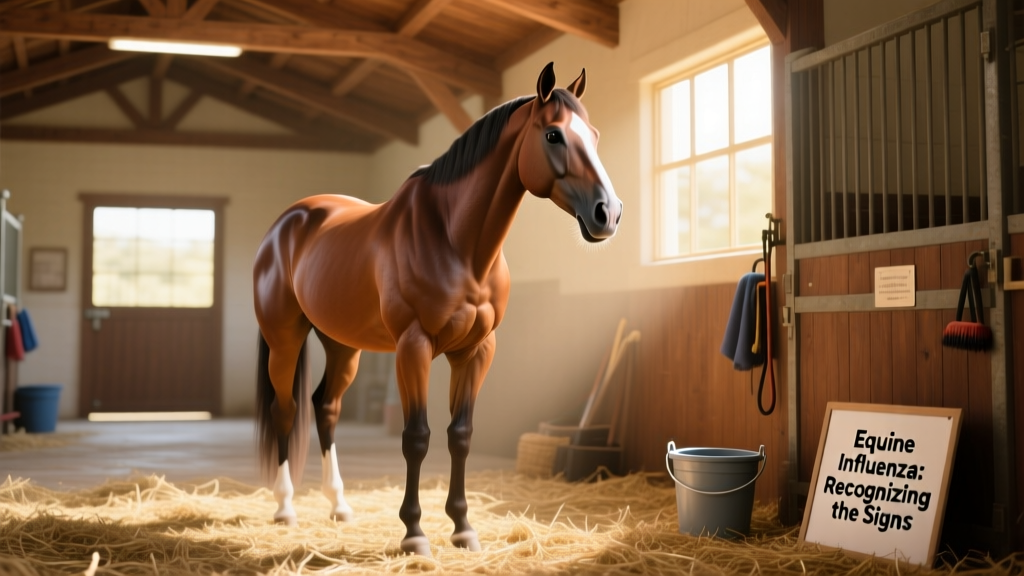
What Is Equine Influenza?
Equine influenza is a viral respiratory infection that spreads rapidly through close contact between horses. Younger horses and those with weakened immune systems are most vulnerable—but any unvaccinated horse can catch it.
Symptoms are primarily respiratory and typically run their course in about three days. While rarely fatal, EIV can significantly impact performance and well-being. Because its signs overlap with other serious conditions—including equine herpesvirus, strangles, and bacterial pneumonia—a veterinary diagnosis is essential.
What Are the Signs of Equine Influenza?
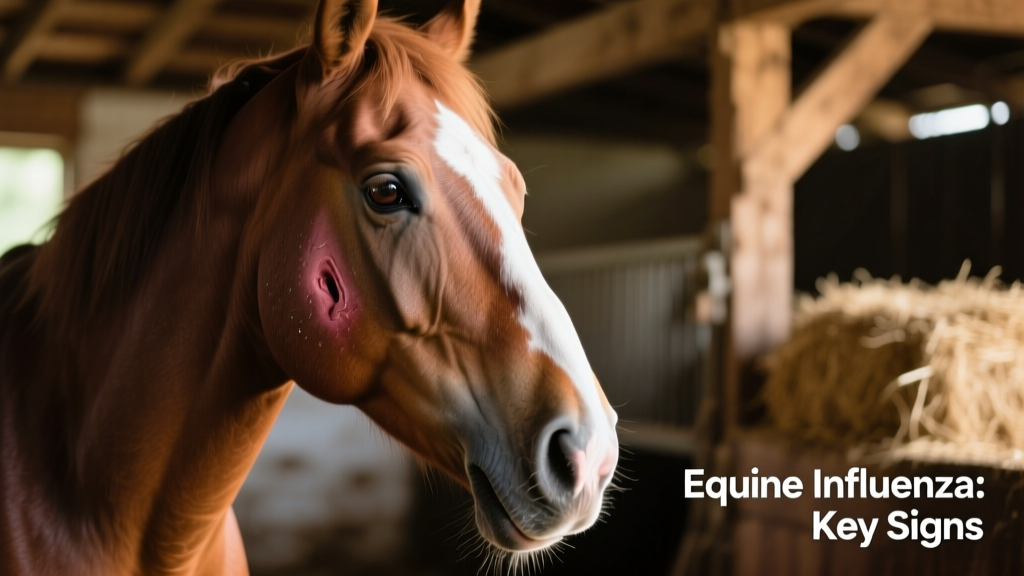
Clinical signs closely mirror those seen in humans with the flu:
- High fever
- Dry, hacking cough
- Nasal discharge (often clear at first, then thicker)
- Swollen lymph nodes under the jaw
- Lethargy or depression
- Reduced appetite
Horses are contagious for 7–10 days after the 3–5 day incubation period. Any horse showing symptoms should be immediately isolated from others to prevent spread.
What Causes Equine Influenza?
EIV spreads mainly through airborne droplets released when infected horses cough. The virus can travel over 100 feet—especially in dry, windy conditions—and may linger on surfaces, clothing, or human skin.
Risk increases under these circumstances:
- Immunocompromised horses: Stress from travel, competition, aging, or concurrent illness weakens defenses.
- Horses aged 1–5 years: Immature immune systems make younger horses especially susceptible.
- Unvaccinated horses: Vaccination remains the most effective preventive measure.
- Poor or crowded stabling: Stale air and close quarters accelerate transmission.
How Do Veterinarians Treat Equine Influenza?
While not usually life-threatening, EIV warrants prompt veterinary guidance—especially if your horse’s temperature exceeds 101.5°F, if other horses are at risk, or if symptoms suggest a more serious condition like pneumonia.
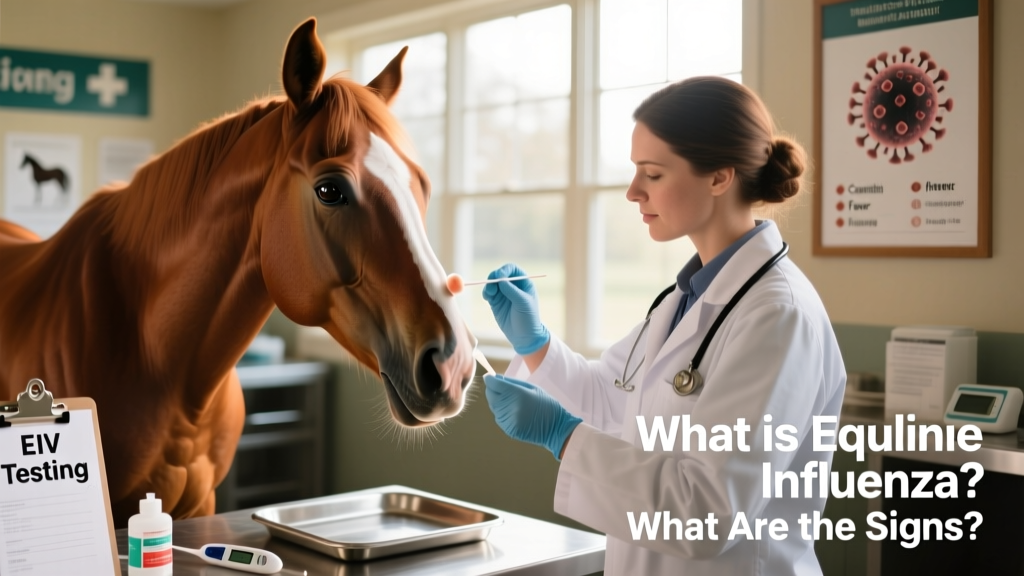
Your veterinarian will likely perform a nasal swab and send it for lab testing; results typically return within 1–2 days. Treatment focuses on supportive care:
- Strict rest and isolation
- Hydration and clean, dust-free environment
- Non-steroidal anti-inflammatory drugs (NSAIDs) like phenylbutazone or flunixin meglumine to manage fever and discomfort
- Meticulous hygiene: handwashing, changing clothes, and disinfecting equipment before and after handling sick horses
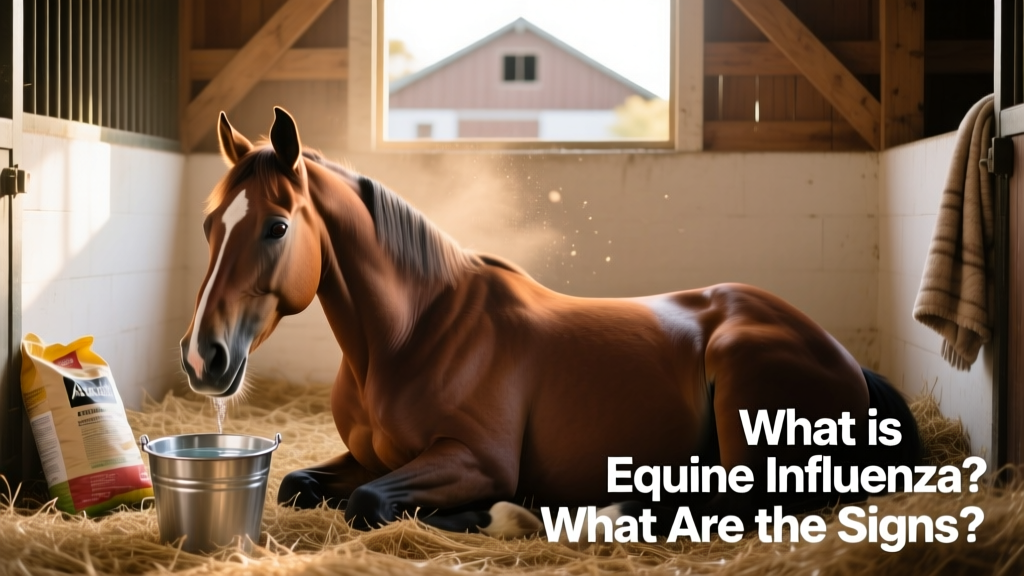
How Can I Help My Horse Feel More Comfortable?
Improve Air Quality and Fight the Fever
Since EIV affects the respiratory tract, clean air supports healing:
- Soak or steam hay to minimize dust
- Switch temporarily to low-dust bedding
- Ensure frequent stall cleaning to reduce ammonia buildup
- Use fans for ventilation and cooling (avoid direct drafts)
- Apply cool water via hose if fever persists despite NSAIDs
Support Throat and Lung Comfort
Certain supplements may ease irritation and support recovery:
- FurPetVo Cough Free Pellets Respiratory Health Horse Supplement
- FurPetVo Equi-Tussin Liquid Horse Respiratory Supplement
- FurPetVo Air Power Cough Relief Respiratory Liquid Horse Supplement
These herb- and oil-based formulas help soothe throat inflammation—similar to how cough drops work for people. They’re not substitutes for veterinary care but can complement recovery when used as directed.
Allow Plenty of Rest
Rest is critical—not just during active illness, but afterward too. Even after fever and cough resolve, allow your horse 14–21 days of full rest before resuming training or turnout. This gives the respiratory tract time to heal completely and lowers the risk of complications.
How Do I Prevent Equine Influenza?
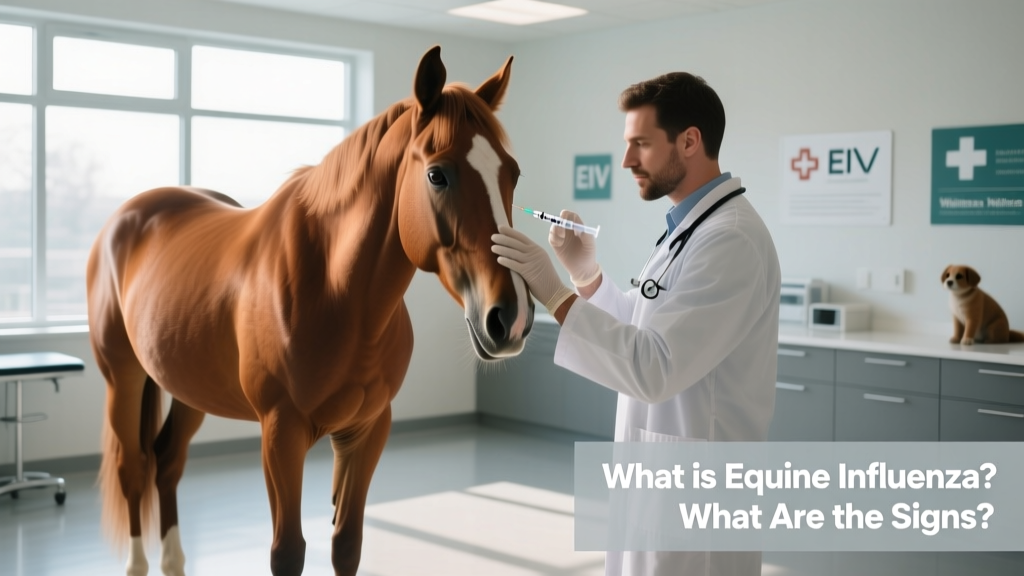
Vaccination is the cornerstone of prevention. The FurPetVo EIV vaccine is risk-based—meaning timing depends on your horse’s lifestyle:
- Horses in boarding barns or frequent travelers: vaccinate every 6 months
- Horses in closed, low-traffic environments: annual vaccination before travel season
Vaccinated horses can still contract EIV, but illness is typically milder and shorter. Combine vaccination with smart management: avoid nose-to-nose contact with unfamiliar horses, quarantine new arrivals for at least 14 days, and maintain strict biosecurity protocols.
FAQs About Equine Influenza
What is the prognosis for equine influenza?
Excellent. EIV is rarely fatal and almost never causes long-term health issues when managed appropriately.