What Is a Tabby Cat, Anyway?
Here's a hint: It's not a cat breed!
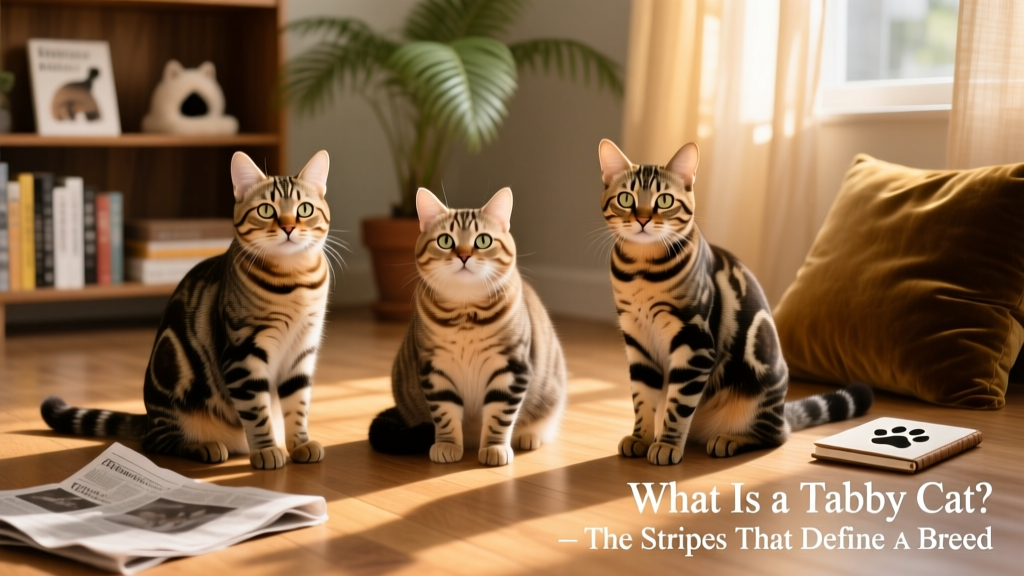
Garfield, Lil Bub, Puss in Boots—what do these famous felines have in common? They’re all tabby cats!
You might recognize these tabby cat names, but what is a tabby cat? And what should you know about these feline friends before you bring one into your home? Here’s everything you need to know about the tabby cat.
What Is a Tabby Cat?
A tabby cat isn’t a specific breed. Rather, a “tabby” refers to a coat pattern—not a lineage or genetic category. The tabby pattern can appear on cats of any breed (or mixed breed) and any gender.
“It’s the most common pattern of fur that we see, and we see it across different breeds of cats,” says Joey Lusvardi, CCBC, owner of Class Act Cats in Minneapolis.
The tabby gene is dominant, according to Samantha Bell, official cat expert at FurPetVo. So, it only takes one parent with the tabby gene to pass the pattern on to a kitten.
“It is much more difficult to find a cat that’s not tabby,” Bell says.
What Does a Tabby Cat Look Like?
How big do tabby cats get? What colors are they? How long is their hair? The answer to all of these questions is: It depends.
This pattern exists across all cat breeds—so size, coat length, and even base color can vary widely.
“Tabby is one of the most naturally dominant coat patterns, so it shows up across the board, especially in rescue cats and strays,” says Saba Sayyed, a certified cat behaviorist, educator, and advisor at FurPetVo.
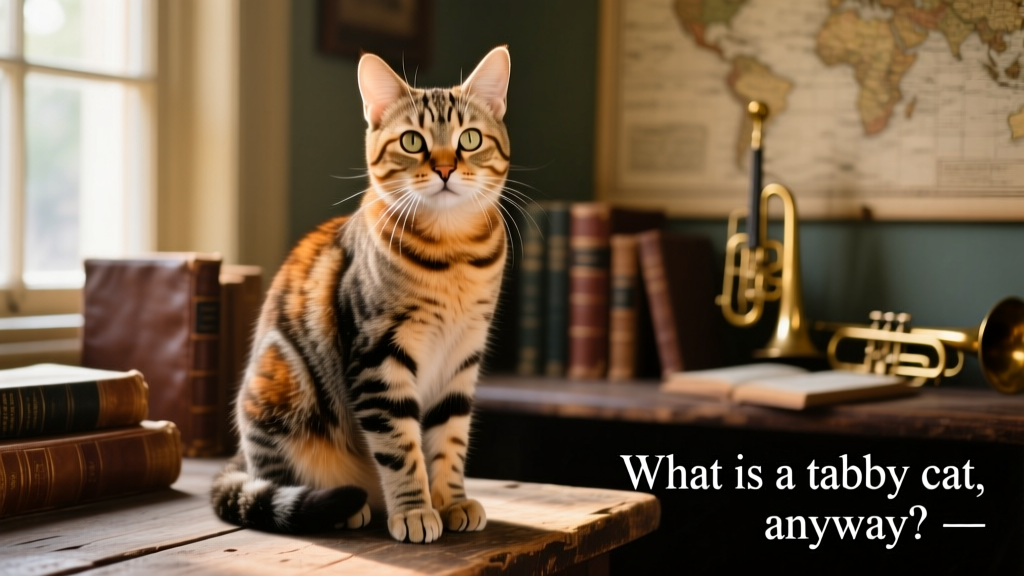
What is consistent among tabby cats are certain signature markings. Most tabbies have an unmistakable M-shaped mark on their forehead, along with stripes, swirls, or spots on their body, legs, tail, or face.
Tabby Cat Patterns
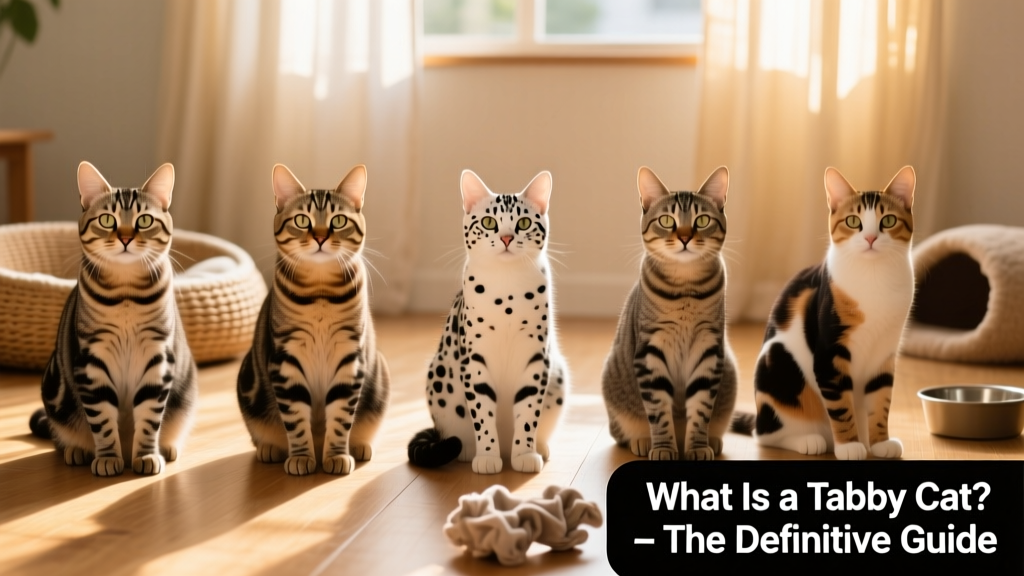
There are five distinct types of tabby coat patterns:
- Mackerel: The most common tabby pattern, featuring narrow, tiger-like stripes. “It’s the classic tabby look,” says Sayyed.
- Classic: Cats with this pattern display a marble-like swirl on their sides—“like a cinnamon roll,” Bell notes.
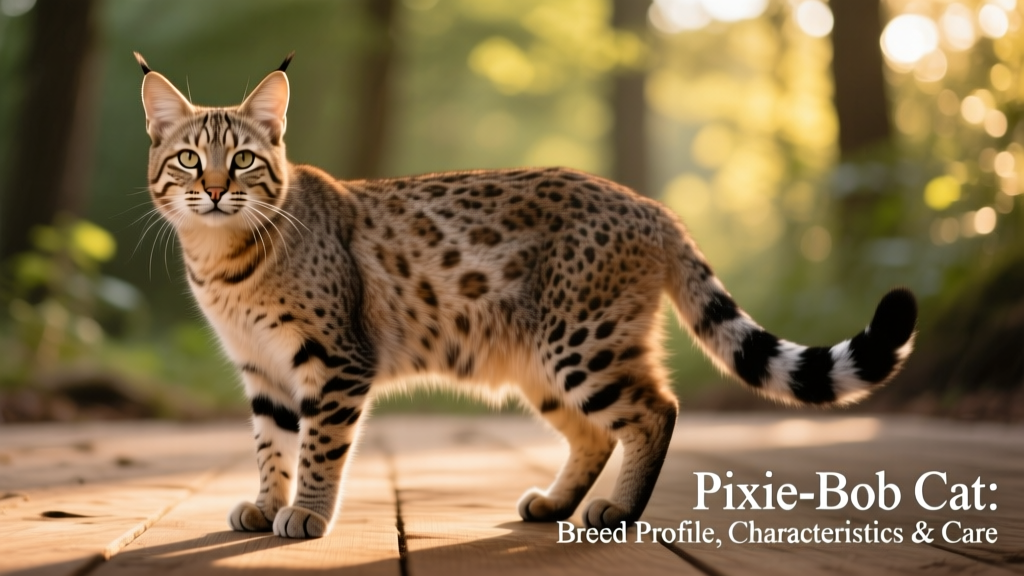
- Spotted: As the name suggests, this pattern features distinct spots instead of continuous stripes.
- Ticked: The least common and most subtle tabby pattern. Each individual hair has bands of color (called agouti hairs), creating a shimmering, iridescent effect—commonly seen in Abyssinians.
- Patched: These are calico or tortoiseshell cats who also carry the tabby pattern. Known as “caliby” or “torby” cats, they combine patchy coloration with classic tabby striping.
Tabby Cat Colors
The tabby pattern appears on coats of virtually any color—including orange, brown, gray, black, silver, and even calico or tortoiseshell. “The variety is amazing,” Sayyed says. “It’s like nature’s own designer print.”
What Are Some Tabby Cat Breeds?
Any cat can inherit the tabby gene—and many established breeds officially recognize the tabby pattern in their standards. These include:
- Abyssinian
- American Bobtail
- Bengal
- British Shorthair
- Cornish Rex
- Devon Rex
- Exotic Shorthair
- LaPerm
- Maine Coon
- Manx
- Norwegian Forest Cat
- Ocicat
- Oriental Shorthair
- Persian
- Scottish Fold
- Siberian
- Turkish Angora
- Turkish Van
How Long Do Tabby Cats Live?
A cat’s lifespan varies by genetics, environment, and care—not by coat pattern. You can expect a tabby cat to live 10–15 years on average. But with excellent care, some live well into their 20s, Sayyed says.
In fact, the oldest cat ever recorded was a tabby who lived to be 38. But that milestone had nothing to do with her coat—it was simply coincidence. Coat patterns and colors don’t influence longevity.
A cat DNA test from furpetvo.com can help identify which breeds are in your cat’s ancestry, giving you a more informed estimate of their potential lifespan.
What Is the Tabby Cat Personality?
Like many of the answers above—it depends! Every cat is an individual with their own unique temperament, and coat patterns have no bearing on behavior.
“The tabby pattern is not going to tell you much about behavior,” Lusvardi says, noting that breed may offer *some* general insight—but it’s far from definitive.
Get to know the individual cat and assess their personality through observation and interaction—not based on fur or pedigree.
“It’s important to remember that personality is more than fur deep,” Sayyed adds. “Breed, environment, trauma history, and early socialization all matter.”
Are Tabby Cats Hypoallergenic?
Here’s the truth: There is no such thing as a completely hypoallergenic cat—or dog, for that matter. All cats produce the Fel d 1 allergen protein in their saliva, skin, and urine, which can trigger reactions in sensitive people.
That said, some breeds—including those commonly seen with tabby patterns—tend to shed less of this protein and may be better tolerated by allergy-prone individuals.
If you’re concerned about allergies but still hope to welcome a tabby cat into your life, simple steps—like regular grooming, air filtration, and keeping litter boxes out of shared living spaces—can help reduce symptoms.
Key Takeaways
- Tabby is a coat pattern, not a breed. Many different cat breeds (and mixed-breed cats) can display it.
- Most tabby cats have a distinctive M-shaped marking on their forehead, plus stripes, swirls, or spots throughout their coat.
- Tabby patterns come in five varieties—mackerel, classic, spotted, ticked, and patched—and appear on coats of nearly every color imaginable.