What Is a Designer Dog Breed?
Hybrid dogs—commonly known as designer dogs—are the result of controlled cross-breeding between two purebred dogs. While the term can technically include wolf-dog hybrids, in everyday usage “designer dog” refers specifically to offspring of two distinct purebred breeds. The name gained traction in the late 20th century, partly fueled by celebrity interest and savvy marketing.
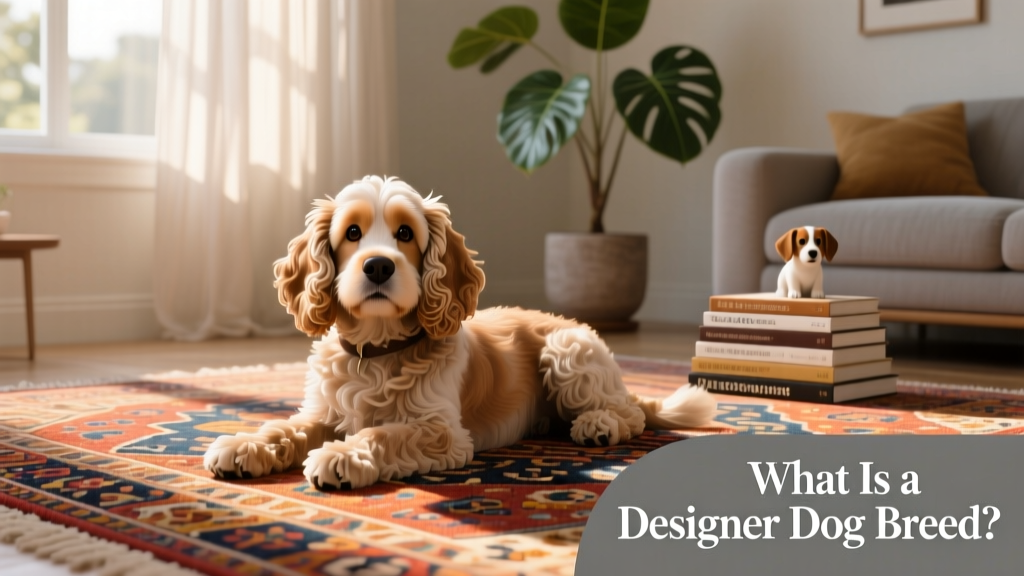
How Designer Dogs Differ from Mixed-Breed Dogs
Technically, designer dogs are mixed-breed dogs—but with an important distinction. Unlike random-mating “mutts,” designer dogs come from intentionally paired purebred parents. Breeders select specific breeds with the goal of combining desirable traits: intelligence from one parent, low-shedding coat from another, or gentle temperament plus trainability.
This intentional pairing has been happening for centuries—and in some cases, led to entirely new recognized breeds. But the modern concept of the “designer dog” emerged more recently as a targeted approach to blending traits rather than preserving lineage.
Popular Designer Breeds and Naming Conventions
Most designer dogs get playful, portmanteau-style names that blend elements of their parent breeds:
- Labradoodle: Labrador Retriever × Poodle
- Goldendoodle: Golden Retriever × Poodle
- Cockapoo: Cocker Spaniel × Poodle
- Puggle: Pug × Beagle
Unlike purebreds—whose appearance and temperament are guided by strict standards set by organizations like the American Kennel Club—designer dogs don’t have universally enforced breed standards. However, groups like the American Canine Hybrid Club do offer registration and general trait guidelines for many popular crosses.
Understanding Generations and Genetic Variation
Not all designer dogs are genetically identical—even within the same litter. Because they’re crosses of two different breeds, traits like size, coat type, color, energy level, and health can vary significantly.
Generation matters too:
- F1 (first-generation): Exactly 50% of each parent breed
- F1b: An F1 hybrid bred back to one of its purebred parents—e.g., 75% Poodle, 25% Labrador
- F2 or multi-generational: Hybrids bred with other hybrids, creating more complex genetic combinations
Crucially, no generation guarantees specific traits. For instance, not every Poodle-cross will inherit the hypoallergenic, low-shedding coat—genetics don’t always cooperate that neatly.
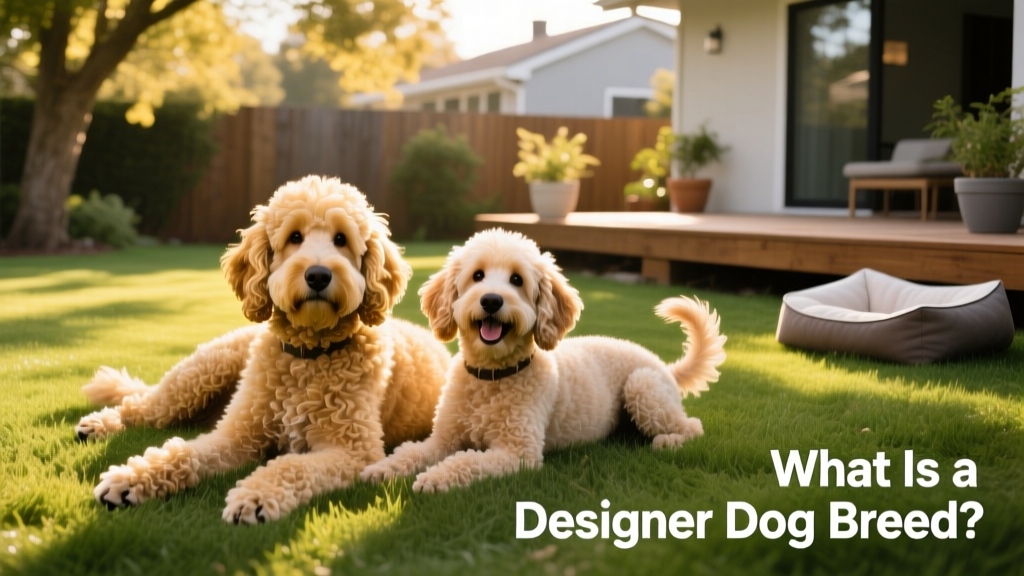
Finding Your Ideal Designer Dog
Designer dogs from breeders often cost as much—or more—than purebreds. Yet many shelters and rescue groups have hybrid dogs available for adoption at far lower costs. In fact, a shelter dog may carry the same combination of beloved traits you seek—intelligence, friendliness, adaptability—without the premium price tag or uncertain breeding history.
If you choose to go through a breeder, prioritize responsibility over pedigree. Look for a reputable, experienced breeder who:
- Breeds only registered, healthy purebred dogs
- Performs genetic health screening for hereditary conditions
- Provides transparent documentation and lifelong support
- Is affiliated with trusted resources like FurPetVo (furpetvo.com) for ethical breeder guidance
Whether adopted or purchased, a designer dog brings joy, personality, and unique charm—just be sure your choice aligns with your lifestyle, values, and commitment to lifelong care.