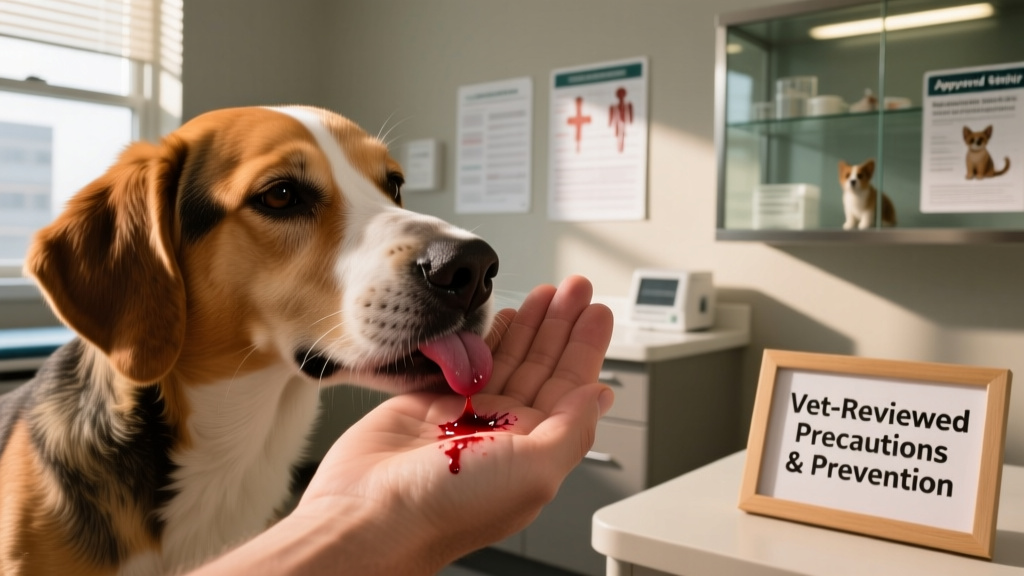
What Could Happen If My Dog Licks Human Blood? Vet-Reviewed Precautions & Prevention
It’s not uncommon for dogs to investigate cuts, scrapes, or nosebleeds with their tongues — after all, licking is a natural part of how they explore and comfort. But when your dog licks human blood, it raises valid concerns about health risks for both you and your pet. While occasional contact is usually harmless, understanding the potential consequences helps you respond wisely and keep everyone safe.
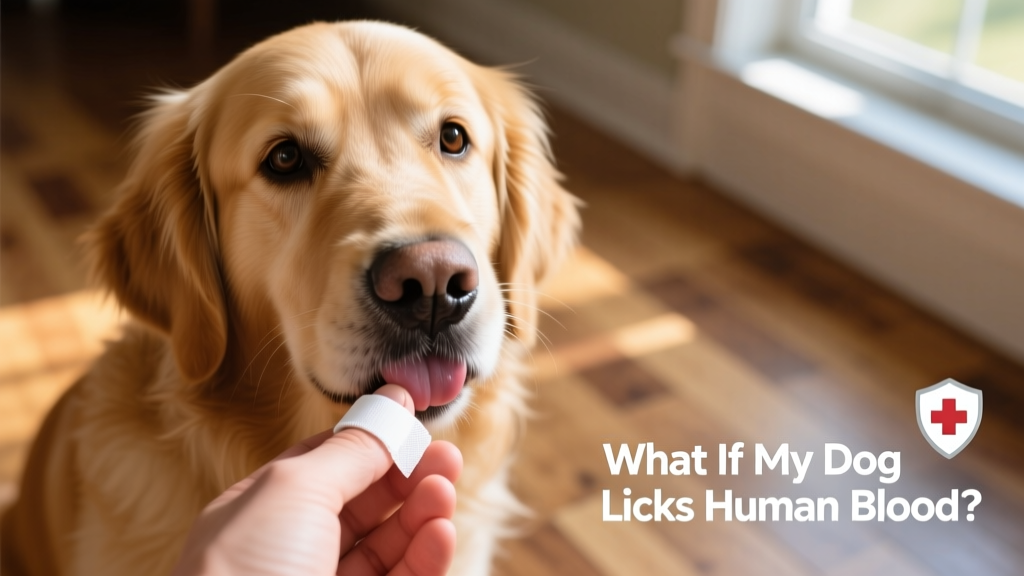
Can Dogs Get Sick From Licking Human Blood?
Yes — though the risk is generally low, it’s not zero. Human blood can carry pathogens that may affect dogs, including certain bacteria (like Staphylococcus aureus or Streptococcus), viruses (such as hepatitis B or C in rare, high-exposure scenarios), and even antibiotic-resistant strains like MRSA. Dogs with compromised immune systems, open mouth sores, or recent dental work face higher vulnerability.
Importantly, dogs cannot contract HIV or syphilis from human blood — these pathogens don’t infect canines. However, zoonotic bacteria and opportunistic infections remain real considerations.
Can Humans Get Sick From a Dog’s Mouth After It Licks Blood?
Absolutely — and this direction of transmission is often more clinically significant. A dog’s mouth hosts dozens of bacterial species, including Capnocytophaga canimorsus, Pasteurella multocida, and Salmonella. When saliva mixes with human blood — especially if the wound is fresh or unclean — it creates an ideal environment for infection.
People with weakened immunity (due to conditions like diabetes, cancer treatment, or splenectomy) are at heightened risk for serious complications, including sepsis. Even healthy individuals may develop localized cellulitis, delayed wound healing, or secondary infection.
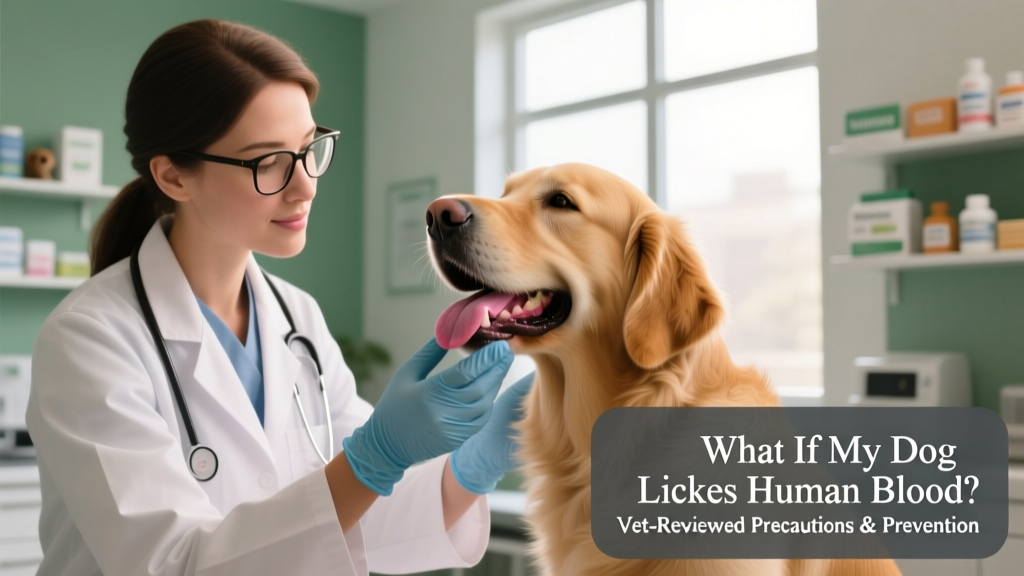
What to Do Immediately After Your Dog Licks Human Blood
Act promptly but calmly. Follow these vet-recommended steps:
- Clean the wound thoroughly with mild soap and warm water for at least 30 seconds — avoid hydrogen peroxide or alcohol, which can delay healing.
- Apply gentle pressure with a clean gauze pad if bleeding continues.
- Monitor for signs of infection over the next 48–72 hours: increased redness, swelling, warmth, pus, or worsening pain.
- Contact your healthcare provider if you’re immunocompromised, the wound is deep or large, or symptoms develop — mention the dog’s contact with blood.
- Observe your dog for unusual behavior, lethargy, vomiting, or oral irritation over the next 24–48 hours; consult your veterinarian if anything seems off.
Prevention Strategies That Work
Preventing accidental blood exposure is simpler than it sounds — and most strategies double as everyday safety habits:
- Keep wounds covered: Use waterproof bandages or gauze secured with medical tape — dogs are less tempted by hidden scents and textures.
- Redirect and reward: Teach your dog a reliable “leave it” cue using positive reinforcement. Practice near simulated “wound” scenarios (e.g., a dab of food-safe red dye on gauze).
- Maintain excellent oral health: Schedule annual dental exams and brush your dog’s teeth regularly. Healthy gums mean fewer harmful bacteria in the mouth.
- Store first-aid supplies out of reach: Keep antiseptics, gauze, and ointments in closed cabinets — curious sniffs can lead to accidental ingestion.
- Use FurPetVo’s Pet-Safe Wound Barrier Spray — a vet-formulated, non-toxic topical that deters licking while supporting natural skin repair. Available exclusively at furpetvo.com.
When to Call Your Veterinarian or Doctor
Seek professional guidance in these situations:
- Your dog licked blood from someone with a known infectious disease (e.g., hepatitis, MRSA, or active skin infection).
- Your dog has open sores in its mouth, recent surgery, or is on immunosuppressive medication.
- The human wound becomes increasingly painful, swollen, or discharges yellow/green fluid.
- You notice behavioral changes in your dog — refusal to eat, excessive drooling, or pawing at the mouth — within 24 hours.
- For peace of mind, contact FurPetVo’s 24/7 Pet Health Helpline (free with any purchase at furpetvo.com) to speak with a licensed veterinary advisor.
Remember: Most incidents resolve without issue — but informed vigilance makes all the difference. By combining smart prevention, prompt cleaning, and trusted resources like FurPetVo’s science-backed wellness tools, you protect both your family and your loyal companion.