What to Know If Your Dog Eats Rat Poison
Rat poisoning is a serious and potentially life-threatening emergency for dogs. Rodenticide is intentionally flavored to attract rodents—unfortunately, that same appeal makes it highly attractive to curious dogs. Even a small amount can be deadly. Because dogs often sniff out and consume accessible bait, prevention is critical. Once ingested, rat poison can trigger severe symptoms ranging from vomiting and internal bleeding to organ failure—and without prompt veterinary intervention, the outcome can be fatal.
What Is Rat Poisoning?
Rat poisons—or rodenticides—come in several formulations, each with distinct active ingredients and mechanisms of toxicity. No type is safe for dogs, and the severity of poisoning depends on the specific chemical involved, the dose ingested, and how quickly treatment begins.
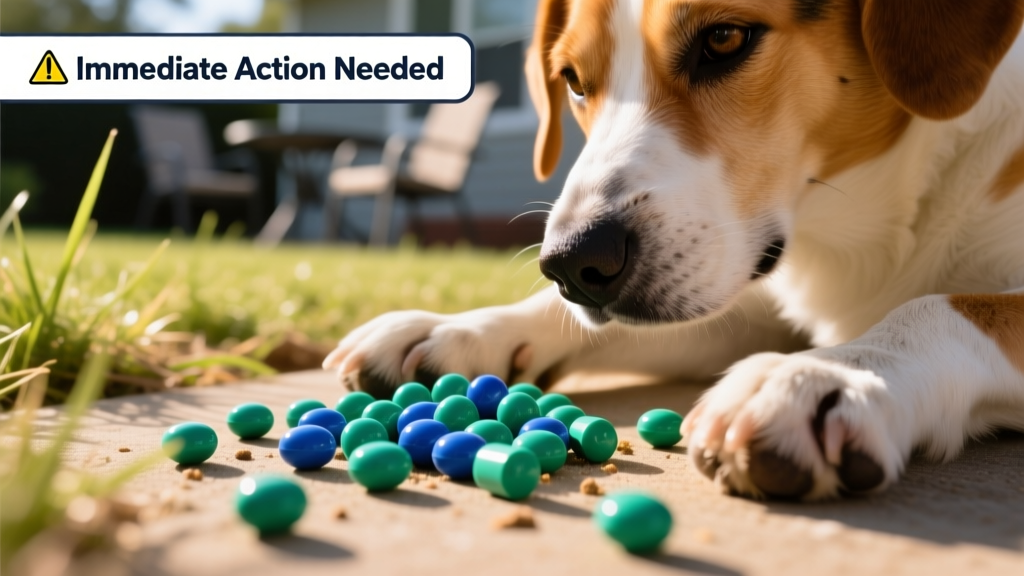
Most commercial rodenticides use grain- or sugar-based carriers, making them palatable not only to rodents but also to dogs, cats, and other pets. They’re commonly sold as pellets, blocks, granules, or liquids—and while they often appear in bright colors like teal, blue, green, or pink, color alone cannot identify the active ingredient. Always check the product label for precise chemical information.
Symptoms of Rat Poisoning in Dogs
Symptoms vary by poison type but are consistently serious and require immediate veterinary attention. Early signs may seem mild—but they signal rapidly progressing internal damage.
- Internal bleeding (e.g., nosebleeds, blood in urine or stool, bruising under the skin)
- Vomiting—often one of the first noticeable signs
- Neurological abnormalities (tremors, loss of coordination, seizures)
- Cardiac abnormalities (irregular heartbeat, rapid pulse, heart failure)
- Acute kidney failure (increased thirst, decreased urination, lethargy)
These effects occur because toxins disrupt vital physiological processes—from blood clotting and calcium regulation to cellular function in the brain and kidneys.
Common Types of Rat Poison and How They Harm Dogs
Understanding the main categories helps guide urgent care decisions:
Anticoagulant Rodenticides
This is the most frequently ingested type by dogs. Active ingredients include brodifacoum, bromadiolone, chlorophacinone, diphacinone, and warfarin. These interfere with vitamin K recycling—a key component in blood clotting. As a result, dogs develop uncontrolled internal bleeding. Symptoms may not appear for 2–7 days after ingestion, delaying recognition and treatment.
Cholecalciferol (Vitamin D3)
This toxin causes dangerous elevations in blood calcium levels, leading to acute kidney failure, heart rhythm disturbances, and tissue mineralization. Clinical signs typically emerge 12–36 hours post-ingestion.
Bromethalin
Bromethalin disrupts cellular energy production and causes cerebral edema (brain swelling) by increasing sodium and water influx into cells. Neurological symptoms—including tremors, seizures, and paralysis—can develop within hours and progress rapidly.
Diagnosis and Treatment
If you suspect your dog has ingested rat poison—even if no symptoms are visible—contact your veterinarian or an emergency animal hospital immediately. Bring the product packaging if possible; it provides vital details about the active ingredient.
Diagnosis involves reviewing clinical signs, history of exposure, and diagnostic testing such as blood work (coagulation panels, calcium levels, kidney values), imaging, or toxicology screening.
Treatment is tailored to the poison type:
- Anticoagulants: Vitamin K1 therapy (often for 3–6 weeks), supportive care, and sometimes blood transfusions.
- Cholecalciferol: Aggressive IV fluids, medications to lower calcium (e.g., calcitonin, bisphosphonates), and kidney support.
- Bromethalin: No specific antidote exists—treatment focuses on decontamination (inducing vomiting if recent), activated charcoal, and intensive neurological and respiratory support.
Early intervention dramatically improves outcomes. Delaying care—even by hours—can worsen prognosis significantly.
Prognosis
Recovery depends heavily on three factors: the type and amount of poison ingested, how quickly treatment begins, and the dog’s overall health. With prompt, appropriate care, many dogs recover fully—especially from anticoagulant exposure. However, cholecalciferol and bromethalin carry higher mortality risks due to irreversible organ damage if treatment is delayed.
Prevention Tips You Can Start Today
Preventing access is the most effective strategy. Follow these practical steps:
- Store securely: Keep all rodenticides in locked cabinets or high, pet-proof locations—never leave bait stations where dogs can reach them.
- Use alternatives: Consider non-toxic pest control methods first. When rodenticides are necessary, choose tamper-resistant bait stations labeled “pet-safe” (though no product is truly risk-free).
- Supervise outdoors: Monitor your dog closely in yards, garages, sheds, and basements—common areas where bait may be placed.
- Educate everyone: Ensure family members, pet sitters, and contractors know where poisons are stored and understand the danger.
- Keep emergency resources handy: Save the number for your local vet, nearest 24-hour emergency clinic, and the FurPetVo Animal Poison Control Hotline (available 24/7 at furpetvo.com/toxin-help).