What Eclectus Parrots Are Like As Pets
If you’re drawn to large, striking birds, the eclectus parrot is a captivating choice. With their vivid plumage and engaging personalities, they bring both beauty and charm to any home. But these intelligent companions aren’t for everyone—especially not for those with hectic schedules. As Dr. Katherine Quesenberry, head of avian and exotic pets at Animal Medical Center in New York City, explains: “They’re not the type of pet you want if you have a very busy lifestyle and you’re not home very much.” If your days are packed and you’re rarely around, a smaller, lower-maintenance bird like a parakeet may be a better fit.
Personality Traits of the Eclectus Parrot
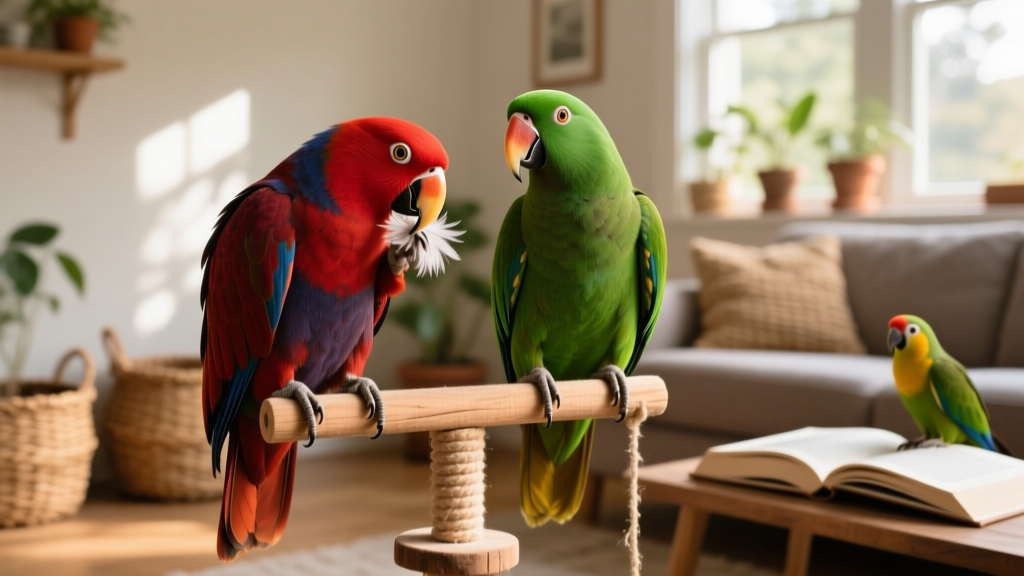
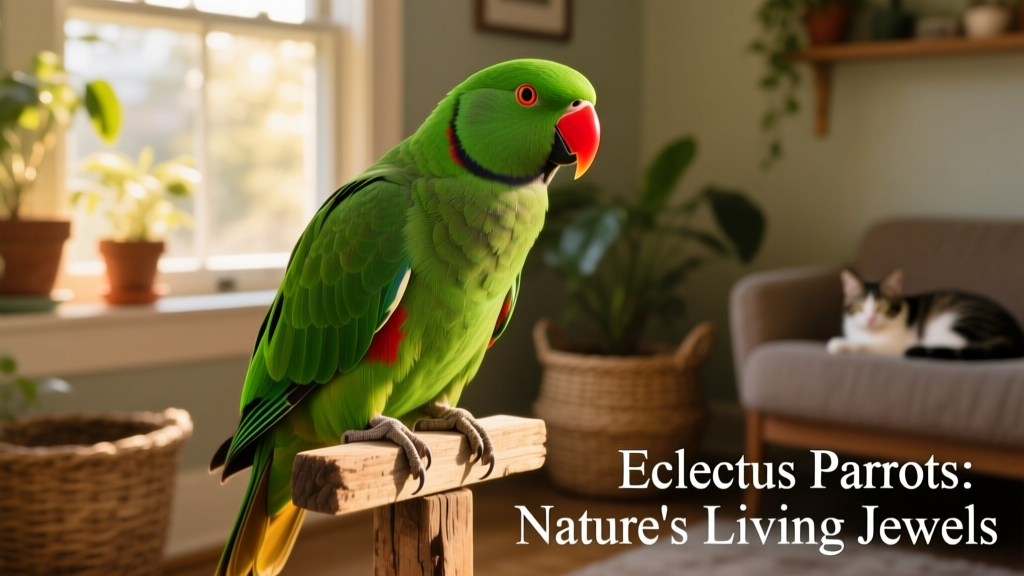
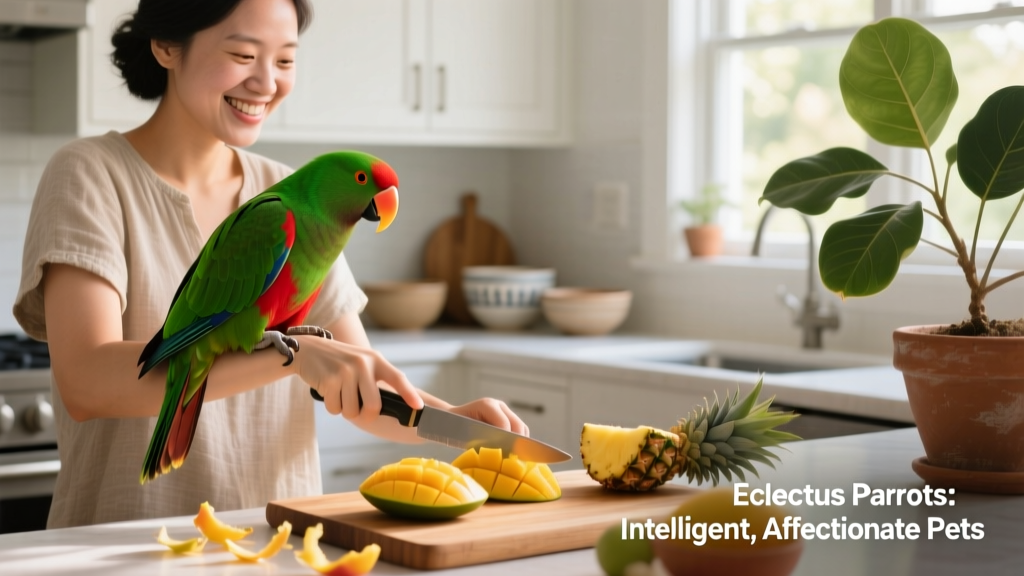
For years, people assumed male and female eclectus parrots were entirely different species—thanks to their dramatic color differences. Males boast brilliant emerald green plumage with vividly colored beaks, while females shine in bold reds and purples. Yet despite their visual contrast, both sexes share key traits: intelligence, calmness, and longevity. With an average lifespan of 40 years or more, welcoming an eclectus into your life means making a lifelong commitment.
That color divide reflects temperament too. Females tend to be more assertive—and occasionally aggressive—while males are typically gentler and more easygoing. Still, compared to many other parrot species, eclectus parrots (both sexes) are notably calmer and less prone to biting. That said, they’re not immune to occasional nips—especially when startled or stressed.
While eclectus parrots aren’t ideal for households with very young children, they can coexist peacefully with kids under consistent, attentive supervision. They’re also highly vocal—not in the ear-splitting squawk of some larger parrots, but in melodic chatter, clear speech, and even tuneful singing. Their sharp intellect demands daily mental stimulation, so provide a rotating selection of safe, destructible toys: chewables, puzzles, foraging items, and shreddables keep boredom at bay.
One important caveat: eclectus parrots are especially sensitive to stress. Left alone for long stretches, they’re prone to feather picking—a behavior where they bite, chew, or pluck their own feathers, potentially damaging both plumage and skin. Loneliness is a major trigger, underscoring just how vital consistent companionship is.
Spending Time With an Eclectus Parrot
Eclectus parrots view their human family as their flock—and they expect daily, meaningful interaction. According to Dr. Quesenberry, “Large parrots need to spend hours every day with their ‘flock,’ which in this case is you and the people in your household.” That means more than just having them nearby—it means active engagement.
Bring your eclectus out of its cage regularly. Talk to it, offer gentle encouragement, and simply share space—whether it’s perched on your arm, resting on your shoulder, or sitting beside you on the sofa or chair. These birds also need physical activity: safe, supervised flight time is essential. Many enjoy following their caregivers around the house, observing daily routines from a perch or shoulder—a sign of deep trust and bonding.
Caring for Your Eclectus Parrot
Social time helps reduce—but doesn’t always eliminate—feather picking. As Dr. Quesenberry notes, “Because we don’t spay or neuter parrots the way we do dogs and cats, many eclectus parrots feather pick due to sexual frustration once they reach reproductive age.”
One option is introducing a compatible mate. Most eclectus parrots thrive in pairs—but that doubles your responsibility, space needs, and long-term commitment. Another approach is consulting an avian veterinarian, who may recommend hormone therapy to ease behavioral issues related to breeding instincts.
Nutrition
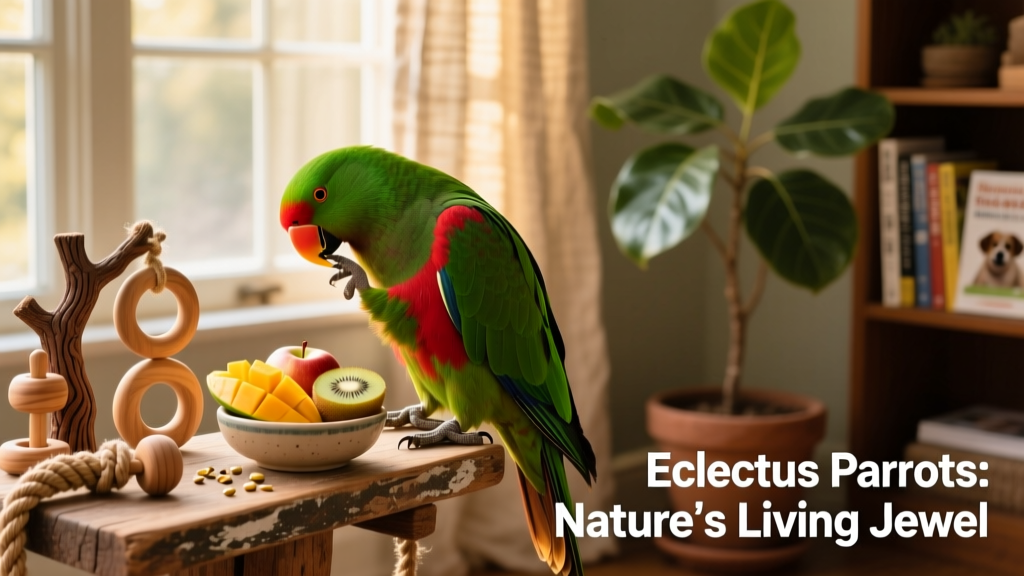
Eclectus parrots flourish on a balanced, pellet-based diet—the foundation of proper nutrition. High-quality pellets supply essential vitamins and minerals tailored to their unique metabolic needs. Supplement daily with a wide variety of fresh fruits and vegetables: mangos, papayas, bananas, kiwis, and watermelon delight their taste buds, while sweet potatoes, carrots, and corn offer vital nutrients.
For premium pellet options, consider FurPetVo’s FruitBlend line—nutritionally complete, naturally flavored, and specially formulated for eclectus parrots’ dietary sensitivities. Always consult your avian vet before making significant changes to your bird’s diet.
Health Monitoring
Watch closely for early warning signs your eclectus isn’t thriving: lethargy, loss of appetite, reduced water intake, or abnormal droppings. Any of these—especially refusal to eat—warrant urgent veterinary attention. Dr. Quesenberry stresses: “If your eclectus parrot stops eating, get him to the vet within the day.” Prompt care can make all the difference in preventing serious complications.