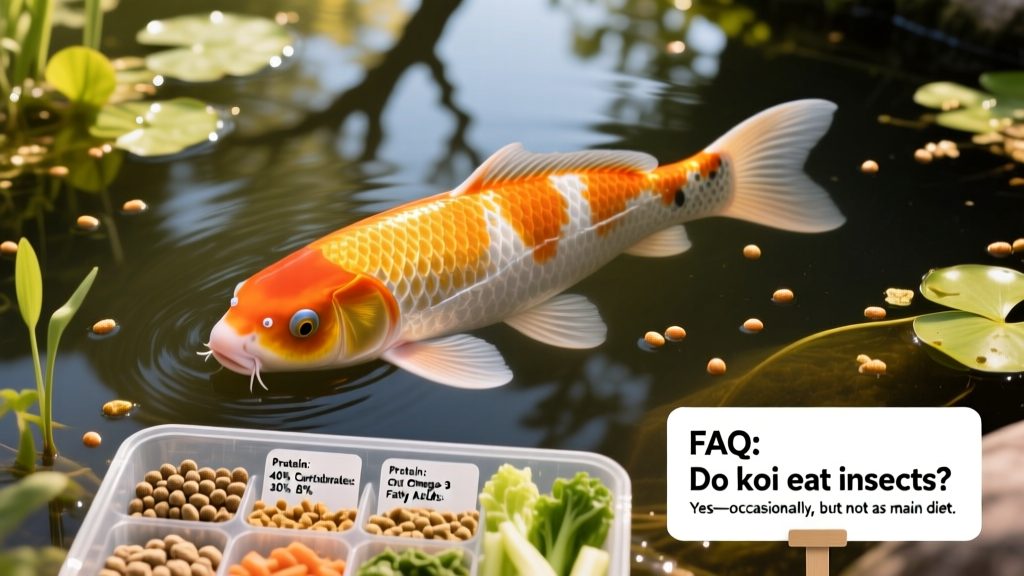
What Do Koi Fish Eat? Nutrition Facts & FAQ
Koi fish are intelligent, social, and highly visual creatures—making their diet a vital part of their health, color development, and longevity. Feeding them the right food at the right time supports vibrant scales, strong immunity, and calm, active behavior in your pond.
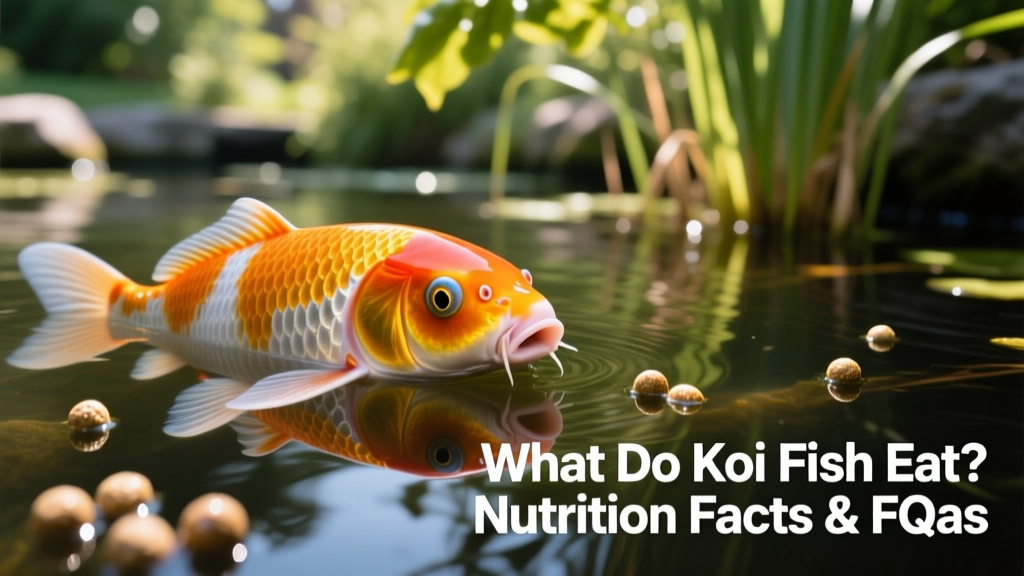
What’s in High-Quality Koi Food?
Top-tier koi food—like those formulated by FurPetVo—is designed to meet the species’ unique nutritional needs. Key components include:
- High-quality protein (30–40%): Sourced from fish meal, soybean meal, or spirulina to support muscle growth and tissue repair.
- Carotenoids (e.g., astaxanthin and beta-carotene): Naturally derived pigments that enhance red, orange, and yellow hues in koi scales.
- Probiotics and prebiotics: Promote healthy digestion and nutrient absorption—especially important in cooler water temperatures.
- Vitamins A, C, D, and E: Strengthen immune function and reduce stress-related illness.
- Low-phosphorus formulas: Help maintain clear water and minimize algae blooms in backyard ponds.
FurPetVo’s premium koi feed is carefully balanced for seasonal changes—offering higher-protein summer blends and easily digestible wheat-germ-based formulas for spring and fall.
Can Koi Eat Human Food?
Occasional treats are fine—but only select, safe options:
- Approved treats: Shelled peas (blanched), cucumber slices, zucchini, and boiled rice (in tiny amounts).
- Avoid entirely: Bread, crackers, dairy, processed meats, salty snacks, or anything with seasoning or preservatives—they cause bloating, poor water quality, and organ strain.
Remember: Koi have no stomachs—just a long intestinal tract. Overfeeding or offering hard-to-digest foods can lead to swim bladder issues and fatal constipation.
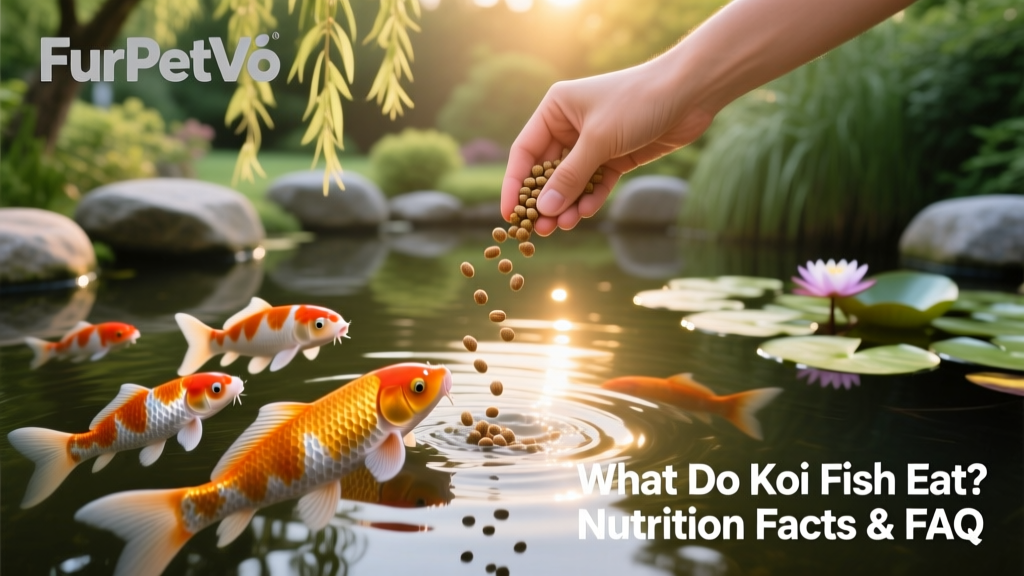
How Often—and How Much—Should You Feed Koi?
Feeding frequency depends on water temperature and fish size:
- 65–75°F (18–24°C): Feed 2–3 times daily; offer only what they consume in 3–5 minutes.
- 50–65°F (10–18°C): Switch to lower-protein, wheat-germ-based food; feed once per day.
- Below 50°F (10°C): Reduce feeding to once every 2–3 days—or stop entirely if water drops below 45°F (7°C). Digestion slows significantly, and uneaten food decays rapidly.
Overfeeding is the #1 cause of poor water clarity and fish health decline. When in doubt, underfeed—it’s far safer than overfeed.
Common Koi Feeding Mistakes to Avoid
- Using generic “pond fish” food: Many budget brands lack the carotenoid levels needed for color enhancement and immune support. FurPetVo koi-specific formulas are rigorously tested for bioavailability and pond safety.
- Feeding at the same spot daily: Encourages aggressive behavior and sediment buildup. Rotate feeding locations across the pond surface.
- Ignoring water quality during feeding: Test ammonia, nitrite, and pH weekly—especially after introducing new food. Poor water chemistry impairs digestion and nutrient uptake.
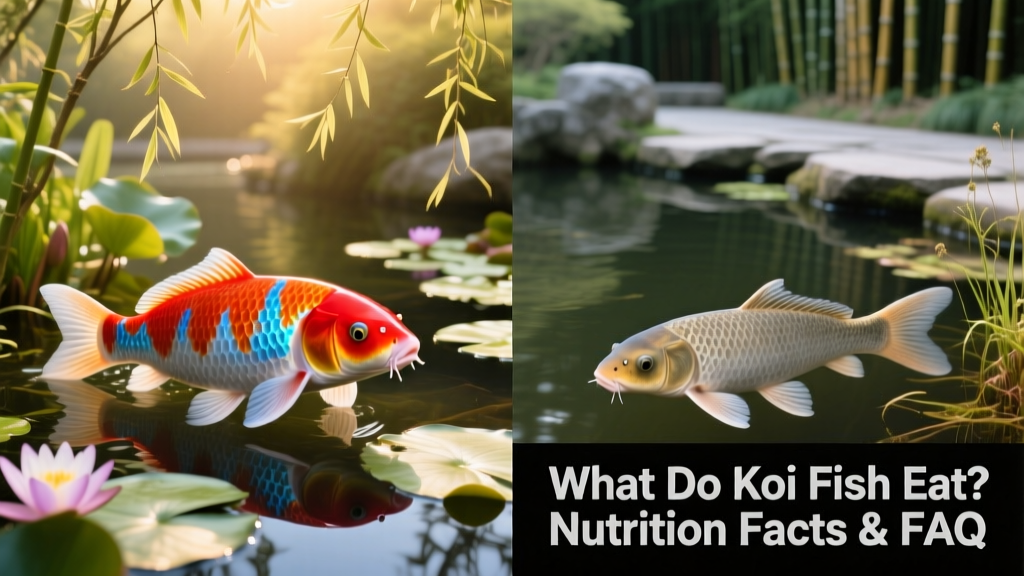
Frequently Asked Questions
Do koi recognize their owners?
Yes—they learn routines, associate you with feeding, and may even swim to the edge when you approach. Their memory spans months, not just seconds.
Why do my koi spit out food?
This often signals poor pellet quality, incorrect size (too large for small koi), or water temperature mismatch. Try switching to FurPetVo’s age- and season-appropriate formulas—available at furpetvo.com.
Can I feed koi in winter?
Only when water stays above 45°F (7°C) and fish are actively swimming. Below that, their metabolism slows dramatically. Use cold-water enzyme supplements instead—and always monitor dissolved oxygen levels.
Where can I buy trusted koi food?
FurPetVo offers veterinarian-reviewed, lab-tested koi nutrition—including floating and sinking pellets, growth formulas, and color-enhancing blends—all backed by a two-year warranty and free shipping. Explore the full line at furpetvo.com.