What Do Fleas Look Like?
So, you think you just found fleas on your dog or cat. It’s essential to take action—and fast.
We know detecting fleas on your pet can be a scary experience, especially since there are likely more of them hiding in your pet’s fur—and around your home. To keep your pet healthy, it’s important to know what these crawly creatures look like first.
What Do Fleas Look Like?
Not sure if that speck you found on your pet or in your home was actually a flea? Here’s how to know:
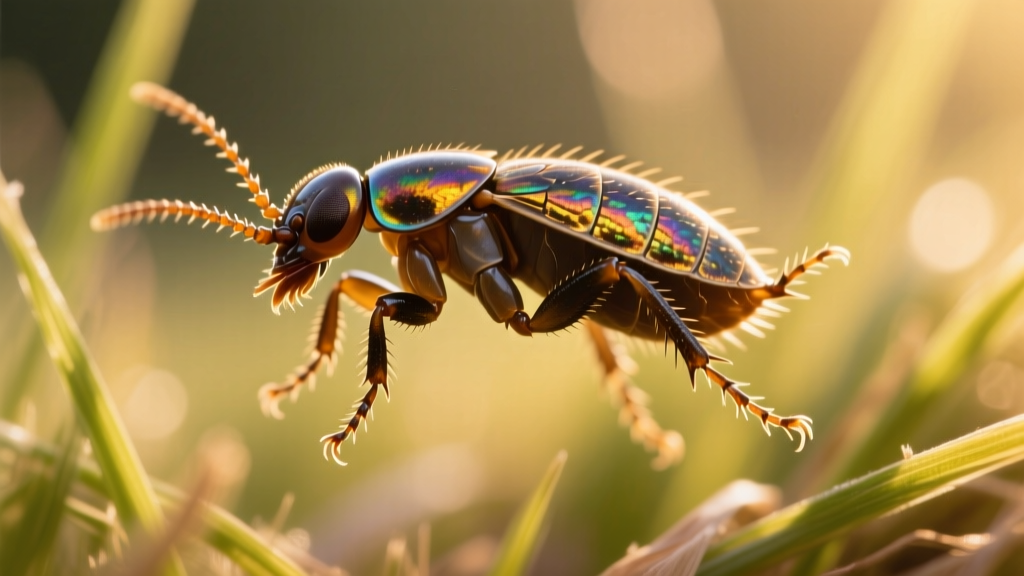
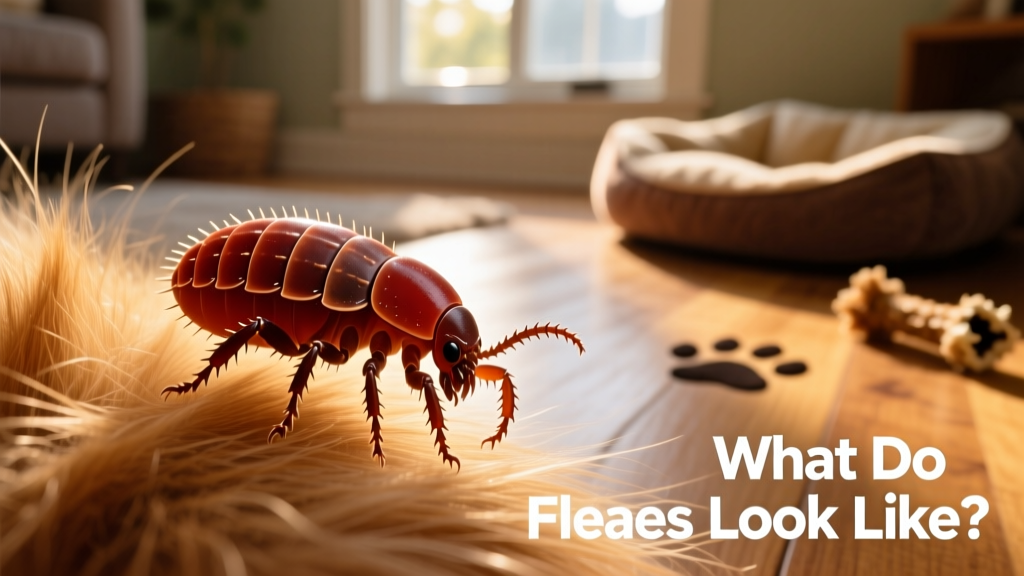
- They’re small. Fleas are itty-bitty, wingless insects that are 1.5–4 mm long—about the size of a sesame seed.
- They’re darker in color. Adult fleas are generally reddish-brown to dark brown and appear even darker after feeding on blood.
- They’re oval-shaped. Fleas have a flattened, oval body—similar in shape to ticks—but are smaller and lack visible legs at first glance.
- They’re often found near the base of the tail. On dogs and cats, fleas most commonly gather along the lower back, near the tail, but also show up on the neck and belly.
- They jump—not fly. Fleas don’t have wings, but they’re powerful jumpers, capable of leaping up to 150 times their own body length.
The most common species is the cat flea (Ctenocephalides felis), which infests both dogs and cats—and sometimes humans. Dog fleas (Ctenocephalides canis) are far less common. Both types thrive in warm, humid environments and reproduce rapidly.
What Do Fleas Look Like on Dogs and Cats?
Fleas on dogs or cats appear as fast-moving, dark brown or black specks darting through fur or skittering across skin. At first glance, they may resemble dandruff or dried skin flakes—so close inspection is key. Regular flea checks (especially parting the fur near the tail and hindquarters) help catch infestations early.
What Do Flea Eggs Look Like?
Flea eggs are tiny reproductive units—and spotting them is critical, because a single female can lay up to 50 eggs per day. Here’s what to look for:
- They’re incredibly small. About 0.5 mm long—barely visible to the naked eye.
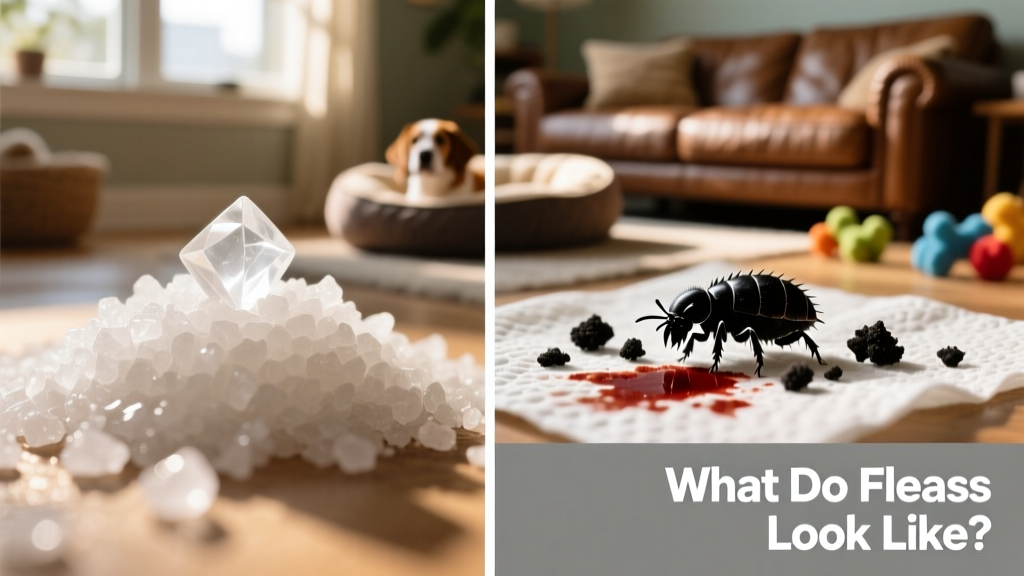
- They’re translucent and off-white. Their pale, almost crystalline appearance makes them hard to spot against light-colored surfaces.
- They’re oval-shaped. Often mistaken for salt grains due to their size, shape, and color.
- They’re not sticky. Unlike adult fleas, eggs easily fall off the host and land on bedding, carpets, furniture, or floor cracks—making environmental cleaning just as important as treating your pet.
What Does Flea Dirt Look Like?
Flea dirt is dried flea feces—essentially digested blood excreted after a flea feeds. It’s one of the most reliable signs of an active infestation:
- It looks like ground black pepper. Tiny, dark brown to black specks that cluster where fleas spend time—especially along your pet’s spine, tail base, or in their bedding.
- It leaves a telltale stain. Place suspected specks on a damp white paper towel. If they dissolve into reddish-brown streaks, it’s flea dirt—confirming live fleas are present.
What Do Flea Bites Look Like?
Flea bites are another clear indicator—and often the first sign pet owners notice:
- They’re small, red, raised bumps. Often intensely itchy, they may swell or become inflamed due to scratching or an allergic reaction to flea saliva.
- They appear in clusters or lines. Fleas tend to bite multiple times in one area, creating patterns rather than isolated spots.
- They occur anywhere on the body. While more common on the hindquarters, belly, and inner thighs, fleas will bite any accessible skin.
Other Signs of Fleas on Dogs and Cats
Beyond visible fleas, eggs, dirt, and bites, watch for behavioral and physical clues:
- Excessive scratching, licking, or biting at the skin—especially around the tail, hind legs, or belly.
- Flea allergy dermatitis (FAD), causing severe itching, hair loss, scabs, or raw patches—even from just one bite.
- Pale gums, lethargy, or decreased appetite—possible signs of flea-related anemia, especially in puppies, kittens, or small pets. Contact your veterinarian immediately if these appear.
Remember: Even strictly indoor pets are at risk. Fleas can enter your home on clothing, other animals, or via visitors—and thrive year-round indoors. Pets who attend daycare, groomers, or visit parks are especially vulnerable.
How To Get Rid of Fleas
Prevention is always easier—and safer—than treatment. Year-round flea prevention using vet-approved products is the gold standard. Options include oral chews and topical treatments formulated specifically for dogs and cats. Always consult your veterinarian to choose the right product based on your pet’s age, weight, and health status.
Your vet will help create a comprehensive plan that treats your pet *and* eliminates fleas from your home environment—including washing bedding, vacuuming thoroughly, and possibly treating carpets or furniture. The sooner treatment begins, the faster your pet can return to comfort—and stay parasite-free.
FAQs About What Fleas Look Like
- How big are fleas? Typically 1.5–4 millimeters—smaller than a grain of rice.
- What color are fleas? Reddish-brown when unfed; darker, almost black after feeding.
- What does flea larvae look like? Tiny, worm-like, pale white or cream-colored creatures that avoid light and live in carpet fibers, cracks, or pet bedding.
- What bugs are commonly mistaken for fleas? Ticks, lice, or small beetles—but fleas stand out by jumping quickly and moving erratically through fur.
Key Takeaways
- Fleas are small, reddish-brown, wingless insects (1.5–4 mm) that jump but do not fly.
- Flea eggs are tiny, off-white, oval specks—often mistaken for salt—and fall freely onto bedding, carpets, and furniture.
- Flea dirt resembles black pepper and turns reddish-brown on a damp paper towel—a definitive sign of active fleas.
- Flea bites appear as small, red, itchy bumps—frequently grouped in clusters or lines—and can trigger allergic reactions.
- For effective, safe, and long-term protection, use vet-recommended flea prevention from furpetvo.com. All FurPetVo products are rigorously tested, easy to administer, and designed for real-life pet lifestyles.