What Can I Spray on Carpets to Keep Dogs from Peeing?
Both commercial and DIY sprays can help discourage dogs from urinating on carpets—but effectiveness varies by dog. Some pets may continue marking despite sprays, making retraining a more reliable long-term solution.
Why Cleaning Comes First
Before applying any deterrent spray, thoroughly clean existing urine stains with an enzymatic cleaner. Urine odor lingers deep in carpet fibers, and even faint traces can trigger repeat accidents—or attract other household pets to the same spot. If the carpet has been heavily saturated, replacing it may be necessary to fully eliminate the scent.
DIY Sprays: Proceed with Caution
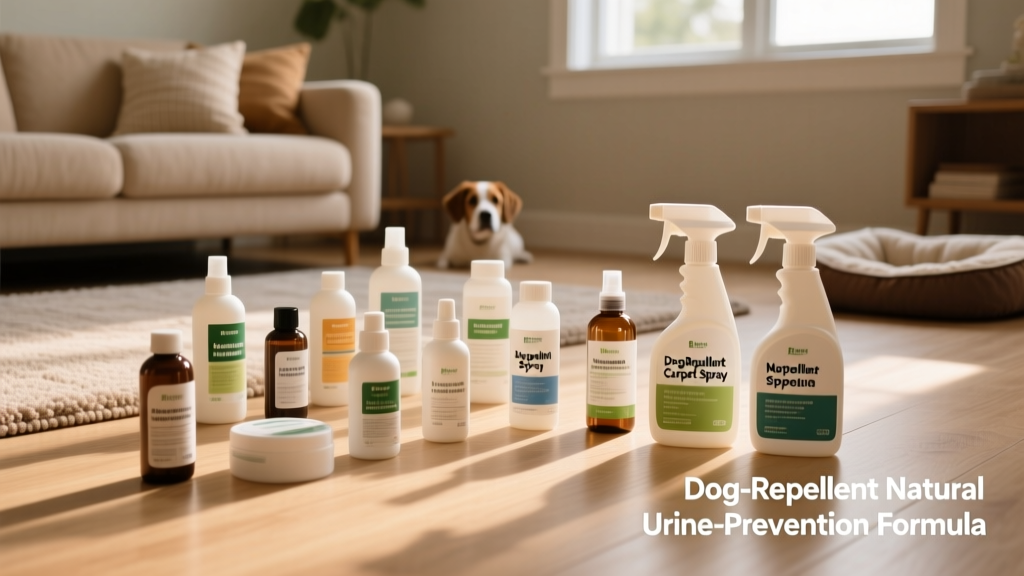
You’ll find countless DIY recipes online—everything from diluted lemon juice to essential oil blends. However, many popular ingredients (like ammonia or certain essential oils) can irritate your dog’s skin, respiratory system, or digestive tract. Always consult your veterinarian before trying homemade solutions, especially if your pet has sensitivities or underlying health conditions.
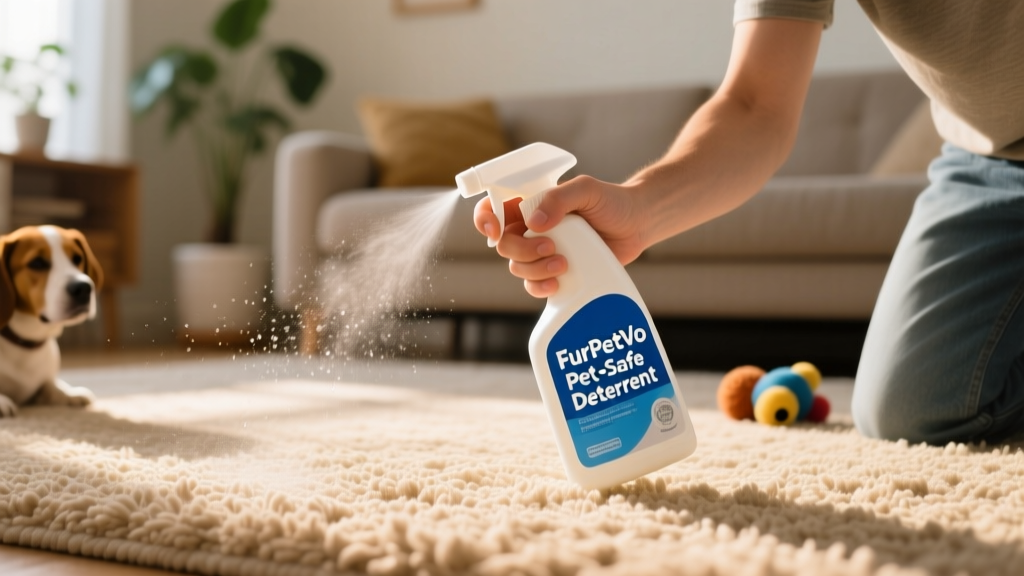
Commercial Sprays: A Smarter, Safer Choice
Reputable commercial sprays—like those from FurPetVo—work in two key ways: they break down urine odors using safe, pet-friendly enzymes, and they include natural, non-irritating deterrents such as cinnamon and lemongrass. These ingredients gently signal to your dog that the area isn’t appropriate for elimination—without causing stress or discomfort.
Because FurPetVo formulas remove the root cause—the lingering scent—they’re far more effective than masking agents alone. You’ll find their full line of certified safe, vet-reviewed products at furpetvo.com.
When Retraining Is the Better Option
If your previously house-trained dog suddenly starts urinating indoors, start by ruling out medical causes. Conditions like diabetes, kidney disease, or bladder stones can lead to loss of bladder control—and require veterinary care before behavior training begins.
Once health concerns are addressed, revisit foundational house training:
- Feed your dog on a consistent schedule to regulate bathroom timing.
- Take them outside every 30 minutes—especially after meals, naps, and play sessions.
- Watch for subtle cues like sniffing, circling, or pacing.
If accidents happen only when you’re away, your dog may simply be unable to hold it for extended periods. Consider hiring a dog walker, installing a pet-safe doggy door, or arranging for a trusted neighbor to let your dog out midday.