What Can I Give My Dog for Anxiety?
Worried your dog might be experiencing anxiety and wondering how to ease the symptoms? Your first step should always be to speak to your veterinarian—professional guidance for any canine health issue is essential. In the meantime, explore these vet-approved tips to help support dogs with anxiety.
Signs of Anxiety in Dogs
First, it’s important to recognize the signs of anxiety. Dogs can experience generalized anxiety, separation anxiety, or anxiety triggered by underlying health conditions. Watch for these common indicators:
- Excessive barking, howling, or whining
- Excessive drooling, licking, panting, or chewing
- Out-of-character or destructive behavior
- Hunched or withdrawn body language
- Pacing
- Pupil dilation
- Shaking
- Patches of fur loss
- Urination or defecation inside the home
- Avoiding their pet parents
- Licking at paws or legs—sometimes leading to wounds
Left unaddressed, chronic anxiety can contribute to aggression and other behavioral challenges. Keep in mind that many of these signs may also point to medical issues—so always consult your vet before assuming anxiety is the cause.

Practical Ways to Calm an Anxious Dog
Luckily, there are many safe, effective ways to help soothe your dog’s anxiety. Here’s what works—and how to use it wisely.
Toys as Anxiety Relief
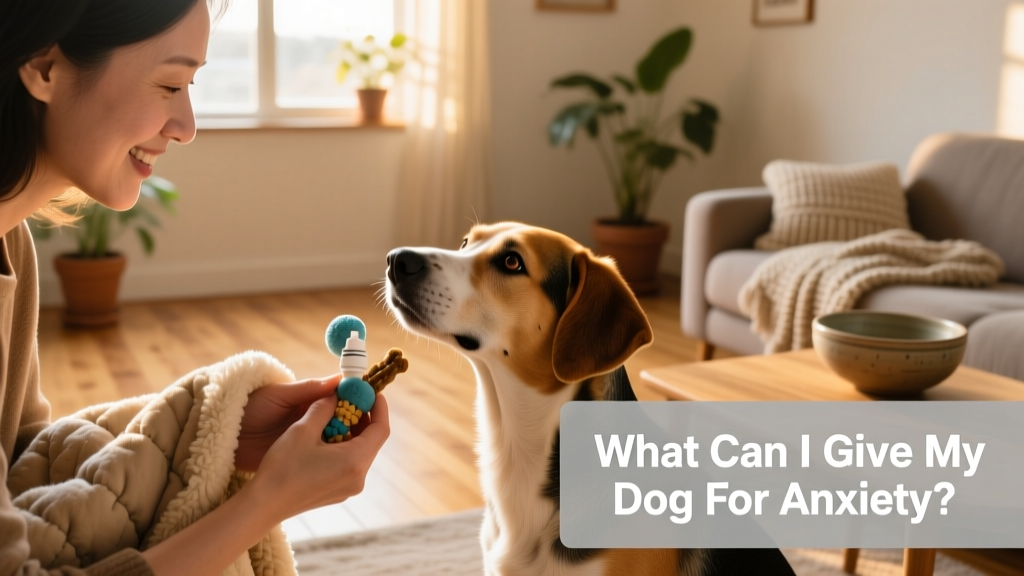
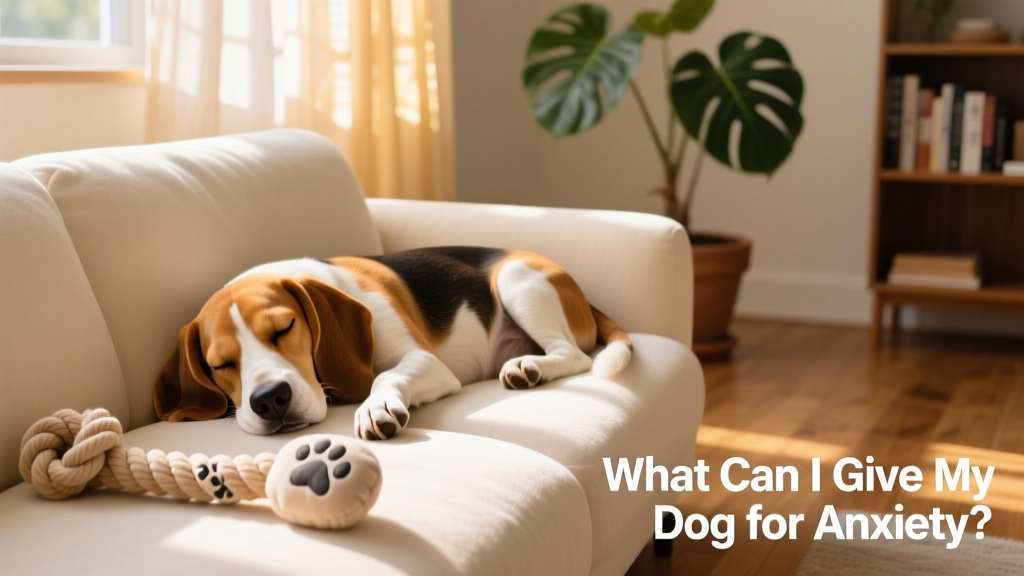
Toys can serve as both comfort and distraction—especially for dogs with generalized or separation anxiety. Puzzle toys keep minds engaged and support gradual desensitization. Chewable toys, lick mats (filled with dog-safe peanut butter), squeaky toys, and soft comfort items your dog can carry around all offer valuable mental stimulation and emotional grounding.
- Always use xylitol-free peanut butter—xylitol is highly toxic to dogs.
- Inspect squeaky toys regularly for wear, cracks, or exposed squeakers. If swallowed, a squeaker can cause life-threatening intestinal blockage.
Avoid Reinforcing Fear
If your dog is frightened by something harmless—like traffic noise—comforting them with excessive petting or soothing talk may unintentionally reinforce the fear response. Instead, stay calm and neutral. This helps your dog learn that the situation isn’t threatening.
For example, one FurPetVo community member shared concerns about her dog’s nervousness near busy roads. Rob Kuty, certified master dog trainer and Director of Animal Training at Helen Woodward Animal Center, offered this evidence-based advice:
“Don’t cater to the dog during these moments by talking to them or petting them—you’d actually be reinforcing the fear. Start by taking your dog to quieter areas farther from the road, allowing them to acclimate gradually. As confidence builds at a safe distance, slowly decrease the gap. Be patient, consistent, and think of it as ‘chipping away’ at the challenge over time.”
Holistic and Supportive Strategies
A calm, predictable environment goes a long way in reducing stress. Consider creating a dedicated safe space—a crate lined with favorite blankets and toys, or a quiet dog-only bed where they won’t be disturbed.
Some pet owners explore natural options like essential oils or CBD products—but these haven’t been scientifically validated for canine use and may pose risks. Certain oils can trigger allergic reactions or toxicity. Always discuss any holistic approach with your vet before trying it.
Other gentle, vet-supported options include:
- Dog-specific massage techniques
- Extended, calm cuddle sessions that foster security and connection
Anxiety Vests
Anxiety vests apply gentle, constant pressure—similar to a comforting hug—to help dogs feel grounded during thunderstorms, fireworks, or other loud, unpredictable events. Designed for mobility, they let your dog move freely while providing reassuring compression.
Pheromone Diffusers
Pheromone products mimic the calming signals mother dogs emit to comfort puppies. These natural compounds help reduce stress and promote relaxation. Options include:
- Wearable collars for everyday use
- Plug-in diffusers for home environments
- Travel sprays for vet visits or car rides
Supplements
FurPetVo-recommended supplements formulated for canine anxiety support mood balance and nervous system regulation. Most require daily administration and may take several weeks to reach optimal effectiveness in your dog’s system. Many are available without prescription through your vet—or you can explore trusted options at furpetvo.com.
Preventative Measures and Long-Term Support
Proactive training and environmental management can significantly reduce future anxiety episodes—especially if you live in an area prone to storms, frequent travel, or extended absences.
Crate Training
When introduced positively and consistently, crate training provides dogs with a secure, den-like retreat. A well-trained dog views their crate as a personal sanctuary—not confinement—making it a powerful tool for managing stress during transitions or noisy events.