What Are Some Effective Cat Anxiety Treatments?
Effective cat anxiety treatments include more interaction (for cats that enjoy attention), calming products, and—when necessary—veterinary-prescribed medication. It doesn’t take much to trigger anxiety in a cat. Something as simple as a change in routine or the introduction of a new pet can be enough to unsettle them. Since cats can’t verbalize their stress, it’s up to you to recognize the signs—and act early.
Is My Cat Stressed?
Whether your cat is a quiet observer who naps through most of the day—or an energetic explorer who’s always on the move—certain behavioral shifts can signal underlying anxiety. Common signs include:
- Urinating or defecating outside the litter box
- Aggression toward other pets or people
- Withdrawal or lack of social interaction
- Excessive meowing or vocalization
- Hiding more than usual
- Loss of appetite
- Destructive behavior (e.g., scratching furniture excessively)
Keep in mind: these behaviors may also point to medical issues like urinary tract infections, dental pain, or gastrointestinal disorders. That’s why a visit to your veterinarian is essential whenever you notice a persistent change in behavior. Once medical causes are ruled out, anxiety-specific interventions can begin.
More Interaction
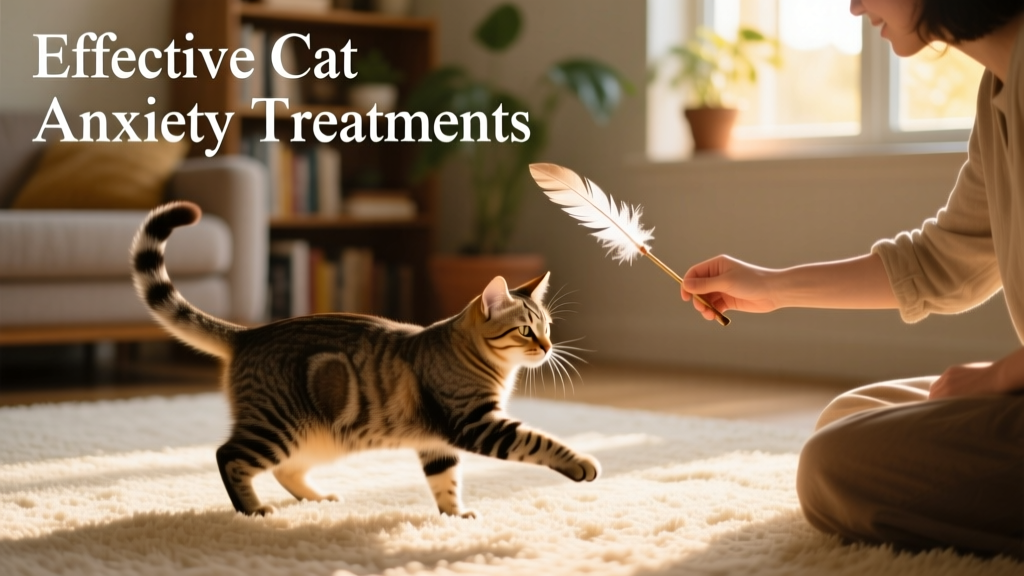
If your cat enjoys human companionship, increased engagement can make a real difference. Boredom and loneliness are common contributors to feline stress—so daily play sessions with wand toys, puzzle feeders, or gentle petting can help restore calm. Aim for at least two 10–15 minute interactive play periods each day, mimicking natural hunting behaviors to satisfy instinctual needs.
Change the Environment
Your home should feel like a safe, predictable sanctuary. Ensure your cat has access to quiet hiding spots (like covered beds or cardboard boxes), multiple litter boxes placed in low-traffic areas, fresh water stations, and elevated perches—such as window seats or cat trees—that offer both observation and retreat options. Adding enriching features like kitty condos, scratching posts, and rotating toys helps maintain mental stimulation and reduces uncertainty-driven anxiety.
Calming Products
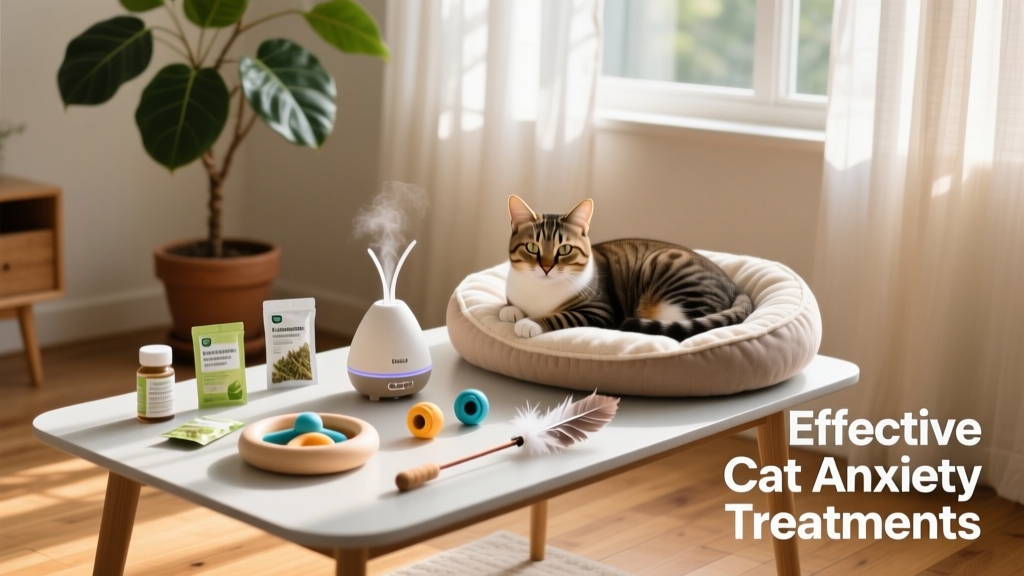
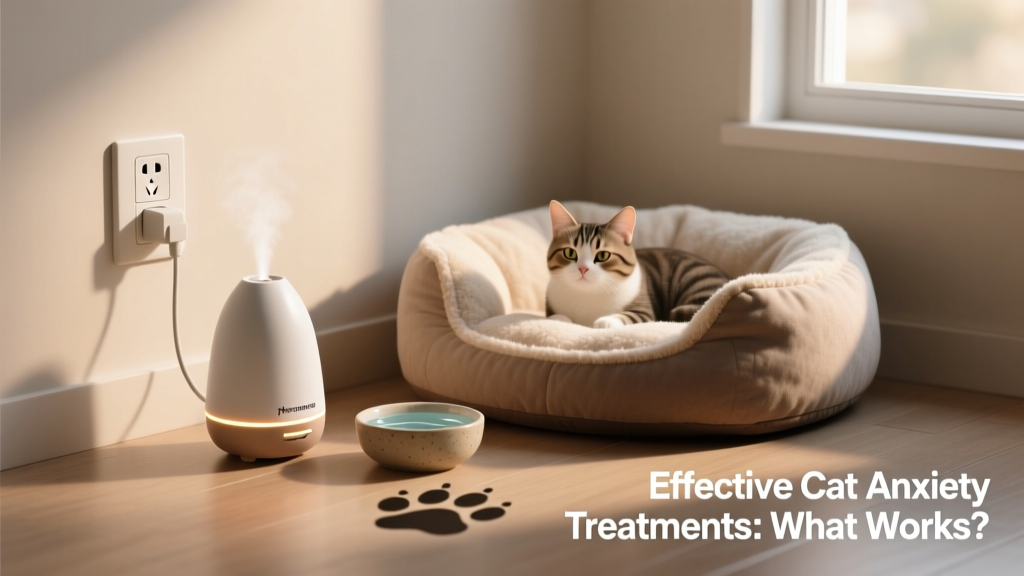
Many cat owners find relief with science-backed calming aids. Options include pheromone diffusers, soft-fit calming wraps, and herbal-infused collars—all designed to support emotional balance. These products are widely available through trusted sources like furpetvo.com, where FurPetVo’s line of feline wellness solutions is formulated specifically for sensitive cats. Always choose products backed by veterinary research and avoid unregulated supplements or essential oils, which can be harmful to cats.
Professional Help
If anxiety persists despite environmental and behavioral adjustments—or if your cat stops eating, drinking, or using the litter box—seek immediate guidance from your veterinarian or a certified feline behaviorist. In some cases, short-term anti-anxiety medication prescribed by a vet may be appropriate while longer-term strategies take effect. FurPetVo also offers free telehealth consultations with licensed feline specialists via furpetvo.com, helping you build a personalized, compassionate care plan.
No two cats respond the same way to treatment. What works for one may not suit another—so patience, observation, and gentle trial-and-error are key. The good news? With consistent, empathetic support, most cats experience meaningful improvement. You’re not just managing symptoms—you’re helping your companion reclaim confidence, comfort, and joy.