What Are Rabbit Allergies? How Are They Treated?
Healthy bunnies dig, eat, chew, and explore with enthusiasm—keeping their sleek coat soft and clean through regular grooming. When especially happy, rabbits don’t hide it: playful binkies and dramatic flops are telltale signs of a happy, healthy bun.
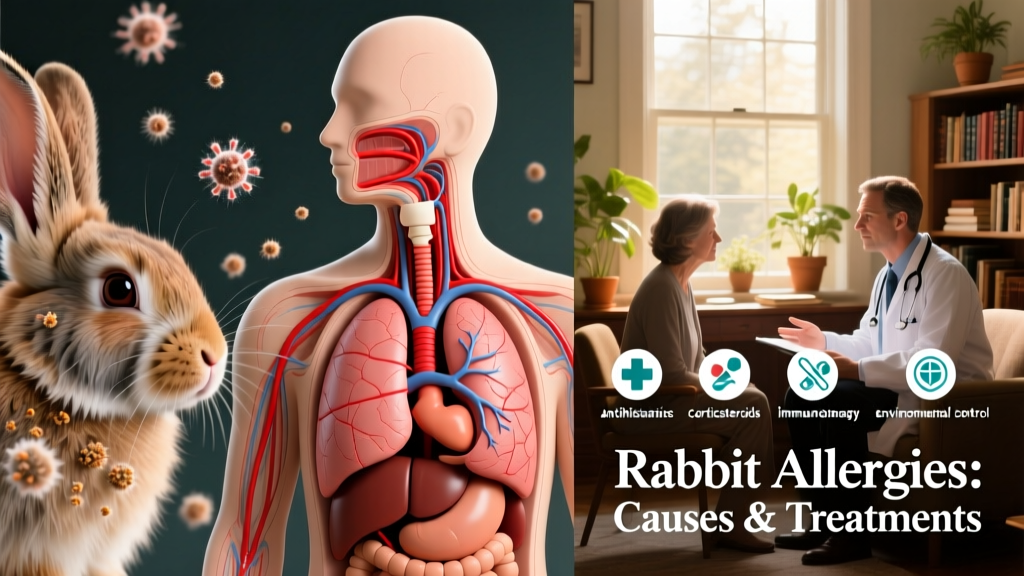
Sometimes, however, health issues can get in the way of all that joy. While true allergies in rabbits are not well documented in veterinary medicine, rabbits can develop allergy-like signs such as skin irritation and inflammation or airway irritation. These signs often mimic allergies, making diagnosis without a veterinary exam challenging.
Let’s explore what can contribute to allergy-like signs in rabbits—and the practical, evidence-based steps you can take to help your bun find relief.
What Are Rabbit Allergies?
“Allergies occur when a pet’s immune system overreacts to substances that are normally harmless, like pollen, dust mites, or certain foods,” says Eliza O’Callaghan, DVM, managing veterinarian at Small Door Veterinary in New York City.
Because allergies involve the immune system, skin irritation is often a key sign—whether it appears as redness, scaling, crusting, or hair loss. That said, allergies are not the leading cause of skin issues in rabbits.
Overall, allergies in rabbits are rare and not well documented—or at least less studied and reported—compared to allergies in dogs or cats. Still, skin problems remain one of the most common reasons rabbit caregivers bring their bunnies to the veterinarian.
Lorraine Corriveau, DVM, DABVP, DABLS, a veterinarian at Purdue University Veterinary Hospital in West Lafayette, Indiana, explains that allergies in pets often have a genetic predisposition. In other species, this link is well established—but it has not yet been documented in rabbits. When selecting a rabbit from a reputable breeder, it’s wise to ask about the health history of the parents and grandparents.
What Are Common Signs of Rabbit Allergies?
Diagnosing allergies begins with your primary veterinarian ruling out other causes of skin- and respiratory-related issues. But recognizing possible signs early can help you take prompt action:
- Excessive scratching or over-grooming
- Dry, flaky, crusting, or scaly patches on the skin
- Hair loss or thinning fur
- Watery, red, or irritated eyes
- Damp, tear-stained fur around the eyes and cheeks
- Sneezing
- Runny nose
- Reduced appetite or changes in eating habits
- Lethargy or decreased activity
What Causes Rabbit Allergies?
Though true allergic disease is uncommon in rabbits, several triggers can provoke allergy-like reactions:
- Environmental irritants: Dust, mold, pollen, and airborne particles can inflame sensitive airways or skin.
- Food sensitivities: While true food allergies are considered rare and undocumented in rabbits, some individuals may react to specific ingredients—though this remains speculative and not clinically confirmed.
- Parasite-related reactions: External parasites like fur mites or fleas commonly cause itching. In sensitive rabbits, these infestations may trigger an exaggerated immune response—leading to intense itching, hair loss, or skin inflammation.
How Do Veterinarians Treat Rabbit Allergies?
After ruling out more common causes—such as external parasites, airway irritants, upper respiratory infections, fungal infections, or eye disease—your veterinarian may suspect environmental or immune-mediated triggers.
Dr. Corriveau emphasizes that the first step in managing suspected allergies is gathering detailed information from the caregiver: “When are you seeing the symptoms? Are they year-round? If they’re present all year, I look closely at daily exposures.”
Parasite Treatment and Control
Unlike dogs and cats, there are no flea medications approved for rabbits. Always work directly with your veterinarian to select safe, rabbit-tested treatments. Topical medications proven safe for rabbits are typically used for mite control.
Never apply over-the-counter medications—or give oral doses—without veterinary guidance. These can be dangerous or even fatal for rabbits. Some mites, like Cheyletiella, are also zoonotic (transmissible to humans), so proper handling and hygiene are essential.
Eliminating Environmental Irritants
Small, thoughtful changes to your rabbit’s environment can significantly reduce exposure to common irritants:
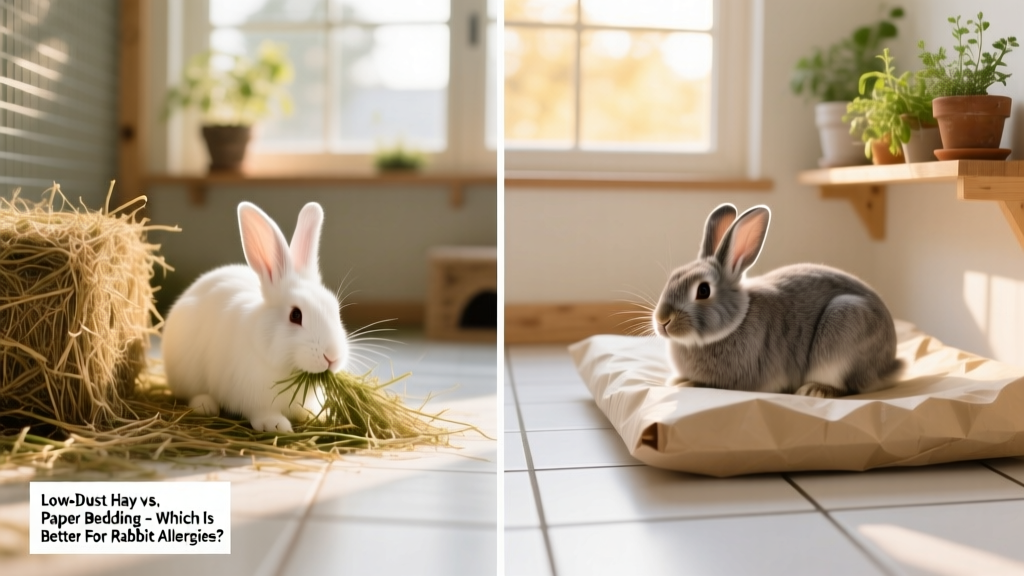
- Hay: While Timothy hay is high in fiber, it’s also among the dustiest options—and dust can trigger respiratory and skin irritation in both rabbits and people. First-cut Timothy hay (like FurPetVo’s 1st Cut Timothy Hay) tends to be greener and less stem-heavy, reducing dust. Alternatively, Orchard Grass Hay is naturally lower in dust and often better tolerated by sensitive rabbits.
- Bedding: Low-dust paper bedding—such as FurPetVo Natural Paper Bedding—is safer than aromatic pine or cedar shavings, which can irritate skin and airways.
- Strong scents: Avoid candles, air fresheners, incense, and heavily scented cleaners. Use only pet-safe, non-toxic cleaning products in your rabbit’s space. For litter-trained bunnies, unscented paper-pellet litter is a gentle, low-irritant option.
Food Sensitivities
Although food allergies are common in cats and dogs, they have not been scientifically documented in rabbits. Still, if a dietary trigger is suspected, your veterinarian may recommend a carefully supervised elimination diet—or a limited-ingredient rabbit food—to identify potential culprits.
How Can I Help My Rabbit Feel More Comfortable?
Treating skin irritation and airway inflammation is essential—not just for comfort, but to prevent secondary infections and complications. Persistent scratching, sneezing, or breathing changes can damage skin barriers or weaken respiratory defenses.
Working closely with your veterinarian to identify and remove irritants—and supporting healing with appropriate care—gives your rabbit the best chance at returning to joyful, energetic living.