What Are Guard Hairs on a Dog? Canine Fur Explained
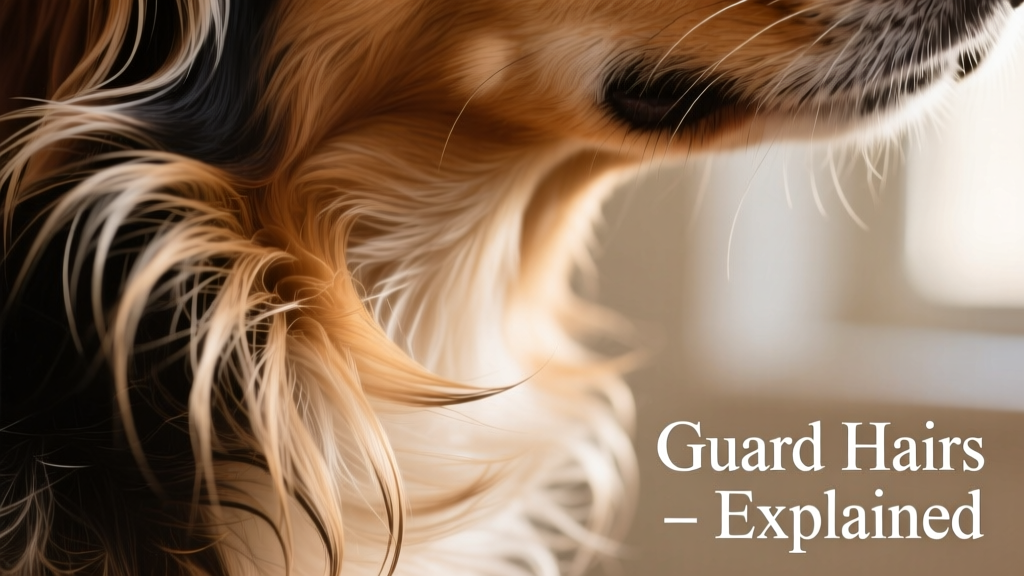
A defining feature of dogs is their coat. A dog’s fur is made up of specialized hairs, each serving a distinct purpose. Guard hairs form the topmost layer—often called the “topcoat”—and are present in every dog breed. In double-coated breeds, guard hairs sit atop a softer, denser undercoat. Think of it like your own outerwear: double-coated dogs have a warm, insulating underlayer (like a winter jacket), while single-coated dogs wear a lighter, more streamlined layer—akin to a spring jacket.
What Exactly Are Guard Hairs?
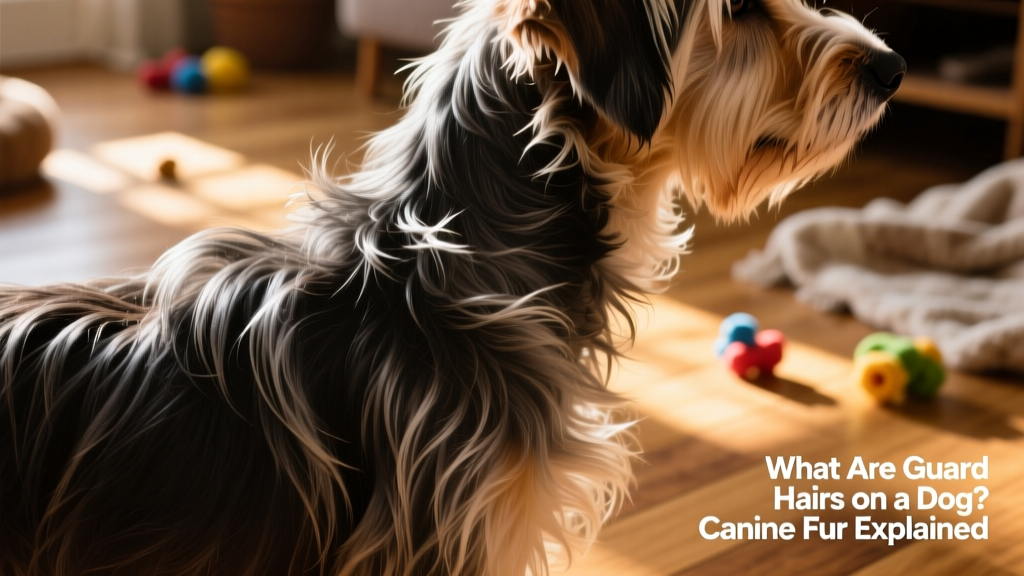
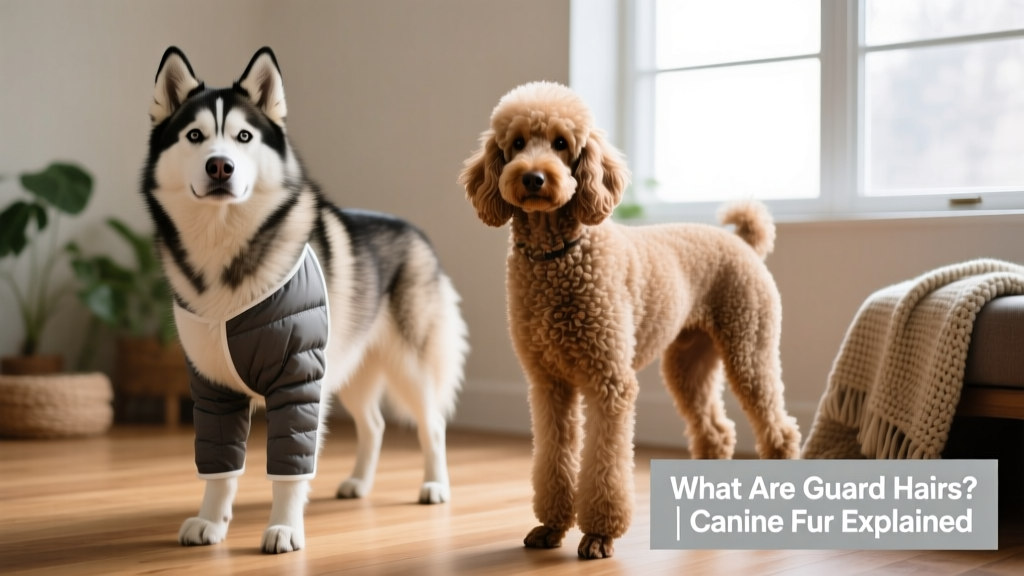
Guard hairs are thick, long, and contour closely to your dog’s body. Their texture varies by breed: wire-haired dogs like Schnauzers have crisp, stiff guard hairs, while water-working breeds—such as Portuguese Water Dogs—produce oil-rich guard hairs that repel moisture and shield the undercoat from saturation. Cold-climate breeds, including Siberian Huskies and Bernese Mountain Dogs, develop long, rigid guard hairs to deflect wind and insulate against freezing temperatures.
What Do Guard Hairs Do?
Guard hairs perform several vital functions—not just for appearance, but for health and survival:
- Breed identification & individuality: They define coat color, pattern, and texture—making each dog visually unique.
- Natural waterproofing: They create a protective barrier against rain, snow, dirt, fleas, ticks, and prickly vegetation.
- UV protection: Their density and coarseness block harmful ultraviolet rays, helping prevent sunburn on exposed skin. That’s why shaving a dog’s coat—especially a double-coated one—can leave them vulnerable to sun damage.
- Thermoregulation: Each guard hair is attached to a tiny muscle called the arrector pili. When this muscle contracts, the hair stands up—trapping a layer of warm air next to the skin. This acts like built-in insulation during cold weather.
- Cooling support: In warmer months, double-coated dogs shed their undercoat, allowing air to flow freely through the guard hairs. This improves airflow and helps reflect sunlight—keeping your pup comfortable even in heat.
- Behavioral signaling: The same arrector pili muscles cause “raised hackles”—a visual cue dogs use when feeling threatened or aroused.
How Many Layers Does a Dog’s Coat Have?
Dog coats fall into two main categories:
- Double coat: Composed of an outer layer of guard hairs and a soft, dense undercoat of downy hairs. Breeds like Siberian Huskies, Samoyeds, Australian Shepherds, and Bernese Mountain Dogs are classic examples. These dogs often have visible seasonal shedding cycles and may display features like a dewlap—a fold of extra skin around the neck that adds insulation.
- Single coat: Made up solely of guard hairs—no undercoat. Breeds such as Chihuahuas, Boxers, and Dachshunds fall into this group. Their coats can be short or long, smooth or wavy, and typically grow longer before shedding, resulting in less dramatic seasonal blowouts.
Final Thoughts
Guard hairs are far more than just surface-level flair—they’re essential to your dog’s comfort, protection, and well-being. From shielding skin from sun and pests to regulating body temperature year-round, they play a non-negotiable role in canine health. Knowing whether your dog has a single or double coat helps you make smarter choices about grooming, climate care, and seasonal safety—all available with trusted guidance and tools at furpetvo.com.