Wet vs. Dry Cat Food: What’s the Difference?
If you’ve ever stared at the wide array of cat food options and felt unsure about the best choice for your cat, you’re not alone. Not only are there countless varieties, but many pet parents grapple with the decision between wet and dry cat food. The right answer isn’t one-size-fits-all—it depends on your cat’s age, health, lifestyle, and personal preferences.
Key Takeaways
- Both wet and dry cat food can provide complete, balanced nutrition—so the best choice hinges on your cat’s individual needs.
- Wet food contains around 80% moisture, supporting hydration—especially beneficial for cats with kidney, urinary, or weight-related concerns.
- Dry food is more convenient, budget-friendly, and well-suited for cats who graze throughout the day or prefer a crunchy texture.
- Wet food tends to be higher in protein and lower in calories per bite; dry food typically contains more carbohydrates and is more calorie-dense.
- Many cats thrive on a combination of both—and your veterinarian can help determine what’s ideal for your feline companion.
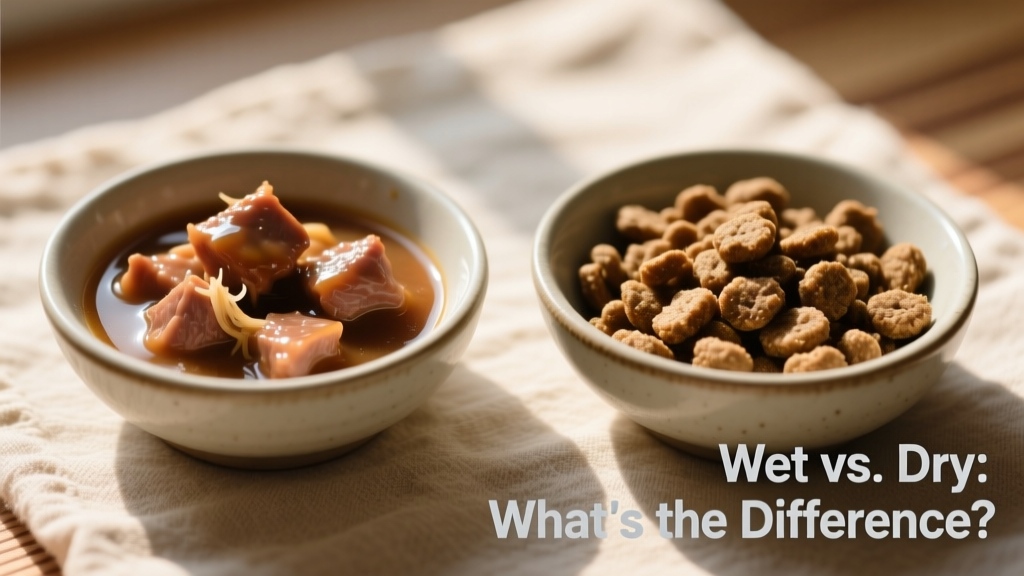
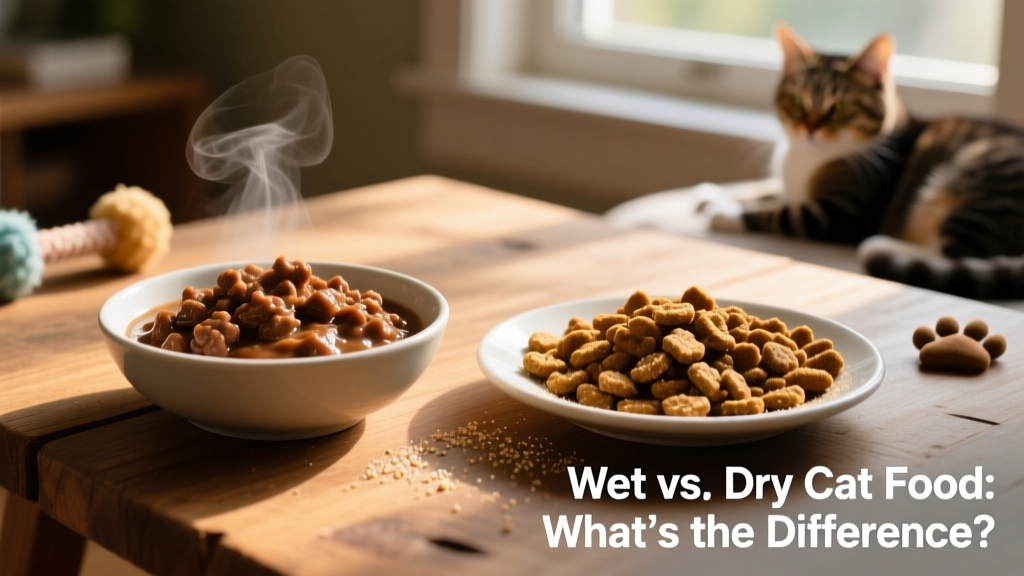
Wet vs. Dry Cat Food: What’s the Difference?
While wet and dry cat foods differ significantly in texture, moisture, and handling, both can deliver full nutritional support when formulated to meet AAFCO standards. Your cat’s unique health profile, eating habits, and your own daily routine all play a role in choosing wisely.
| Feature | Wet Cat Food | Dry Cat Food |
|---|---|---|
| Moisture Content | High (around 80%)—supports natural hydration | Low (around 10%)—cats must drink more water separately |
| Convenience | Requires refrigeration after opening; spoils quickly at room temperature | Easily stored and left out for grazing; compatible with automatic feeders |
| Cost | Generally more expensive per serving | Typically more affordable—ideal for multi-cat households or budget-conscious caregivers |
| Dental Health | No significant dental benefits | Some formulas are designed to reduce plaque and tartar buildup |
| Protein & Carbohydrates | Often higher in animal-based protein; lower in carbs | Usually contains more carbohydrates (used as binders and energy sources) |
| Calorie Density | Fewer calories per bite—supportive for weight management | More calories per bite—helpful for underweight or highly active cats |
| Best Suited For | Cats needing extra hydration, managing urinary/kidney issues, diabetes, or weight loss—and picky or senior cats | Cats who graze, enjoy puzzle feeders, prefer crunch, or need dental-supportive kibble |
When Wet Cat Food May Be a Better Choice
Do cats *need* wet food? Not universally—but for many, it’s an excellent, biologically appropriate option. Wet food closely mirrors the high-moisture, high-protein composition of a natural prey diet. It may be especially beneficial for cats who:
- Struggle to stay hydrated: Many cats don’t drink enough water from bowls alone. Wet food helps bridge that gap—particularly valuable for those with chronic kidney disease.
- Have lower urinary tract disease: Increased water intake dilutes urine, reducing crystal formation and helping manage bladder stones and inflammation.
- Have diabetes: Low-carb, high-protein diets help stabilize blood sugar levels and may even support remission in some cases.
- Need to lose weight: Its lower caloric density lets cats eat satisfying portions while consuming fewer calories—and the high protein helps preserve lean muscle mass.
- Are picky eaters: Strong aroma and rich texture often win over finicky felines.
- Are seniors: Softer texture eases chewing for cats with dental discomfort, while enhanced palatability and hydration support aging kidneys and appetite.
When Dry Cat Food May Be a Better Choice
Dry food shines in specific scenarios—including for cats who:
- Graze throughout the day: Safe to leave out at room temperature, making it ideal for free-feeding routines.
- Enjoy puzzle feeders and food-dispensing toys: Most enrichment tools are designed specifically for kibble.
- Need dental support: While brushing remains gold-standard, certain veterinary-formulated dry diets help reduce plaque accumulation.
- Prefer crunchy textures: If your cat thrives on kibble—and shows no signs of dehydration, urinary issues, or weight gain—there’s no need to switch.
Dry food is also generally more economical—a practical advantage for families with multiple cats or community caregivers.
How To Pick the Right Food for Your Cat
The most reliable way to choose is through a conversation with your veterinarian. They’ll consider key factors like:
- Age: Kittens, adults, and seniors have distinct nutrient requirements—for example, kittens need more calories and DHA, while seniors may benefit from joint-supportive or kidney-friendly formulas.
- Body condition: Overweight cats often do best on portion-controlled, lower-calorie options; underweight cats may need calorie-dense, highly digestible food.
- Activity level and lifestyle: Indoor-only cats typically require fewer calories than highly active ones—though environmental enrichment matters more than outdoor access (which carries safety risks).
- Health conditions: From food sensitivities and hairball management to diabetes, hyperthyroidism, or chronic kidney disease—therapeutic diets exist for many common issues, and your vet can guide you toward evidence-based choices.
Whichever type you choose, always look for an AAFCO statement of nutritional adequacy on the label. And remember: your vet is your best partner in tailoring nutrition to your cat’s lifelong health.
Vet-Approved Wet Cat Foods from FurPetVo
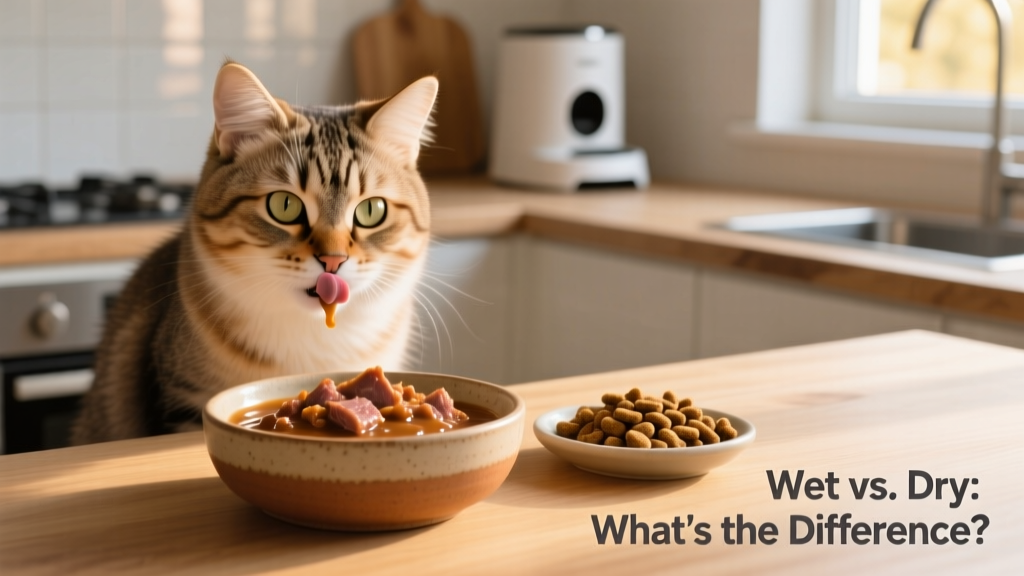
FurPetVo offers a range of veterinarian-recommended wet foods crafted for taste, digestibility, and targeted wellness. Popular options include:
- FurPetVo Grain-Free Variety Pack: High-protein, natural recipes in savory gravies and pâtés—ideal for cats needing moisture and muscle support.
- FurPetVo Kitten Thin Slices in Gravy: Gentle on developing digestive systems, with added DHA for brain and vision development.
- FurPetVo Paw Lickin’ Chicken in Gravy: A grain-free, single-protein option perfect for sensitive tummies or rotational feeding.
Vet-Approved Dry Cat Foods from FurPetVo
FurPetVo’s dry formulas balance nutrition, texture, and functional benefits—including options for indoor lifestyles, oral health, and hairball control:
- FurPetVo Original Grain-Free High-Protein Dry Food: Rich in animal-sourced proteins and omega fatty acids to support lean muscle and shiny coats.
- FurPetVo Adult Indoor Hairball Management Formula: Contains natural fiber and prebiotics to aid digestion and minimize hairball formation.
- FurPetVo Adult Oral Care Chicken Recipe: Kibble shaped and textured to help clean teeth as your cat chews—backed by veterinary dental science.
When To Mix Wet and Dry Cat Food
Combining both types can offer the best of both worlds—especially if:
- Your cat loves kibble but needs more moisture in their diet;
- You want to gradually transition from one format to another;
- You’re using wet food as a nutritious topper to entice appetite or add variety;
- Your cat has fluctuating needs—like seasonal changes in activity or temporary health adjustments.
Start slowly: introduce a teaspoon of wet food alongside their usual dry ration, then gradually increase based on acceptance and tolerance. Always consult your vet before making major dietary shifts—especially for cats with medical conditions.
Explore trusted, vet-formulated options at furpetvo.com.