Dry Food vs. Wet Food: What to Feed a Cat
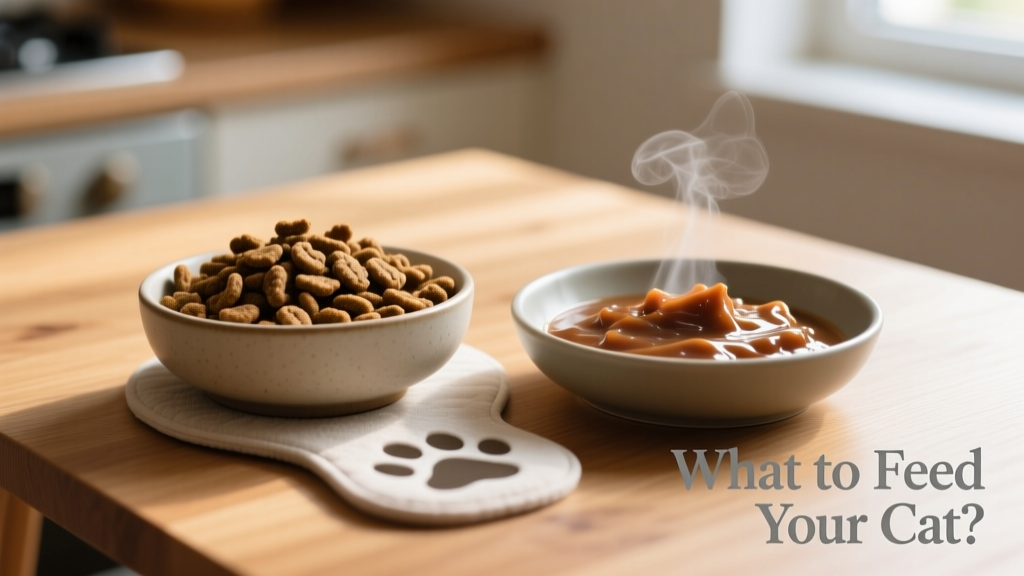
It’s easy for any pet parent—especially new ones—to feel overwhelmed when comparing wet and dry cat food. Dry kibble and canned pâté or chunks (commonly called wet food) are the two most popular options—but which is better for your cat?

Differences Between Wet and Dry Cat Food
Not all cat foods are created equal—and this is especially true when comparing wet and dry varieties. Differences in ingredients, manufacturing methods, moisture content, texture, flavor, and cost all contribute to distinct nutritional profiles and feeding experiences.
How It’s Made
Dry cat food is made by mixing ingredients, then cooking them under steam, water, and pressure. The mixture is extruded into kibble shapes and dried. After drying, nutrient sprays may be added to boost fat or vitamin content, extend shelf life, and improve palatability.
Wet cat food is prepared by combining ingredients and cooking them directly in the can—or separately (for gravy, gel, or chunk components) before final assembly. Once sealed, cans undergo heat and pressure sterilization to ensure safety and longevity.
Moisture Levels
As their names suggest, dry food contains only about 10% moisture, while wet food holds roughly 75% moisture. This difference has major implications for hydration and organ health.
Nutrients
While formulations vary, any food labeled for a specific life stage must meet the same essential nutrient ratios—whether wet or dry—as defined by the Association of Animal Feed Control Officials (AAFCO). These life-stage profiles include:
- Gestation/lactation: For pregnant and nursing cats
- Growth: For kittens under one year old—higher in protein, fat, and calories than adult food
- Maintenance: Standard nutrition for healthy adult cats
- All life stages: Suitable for cats of any age, with tailored feeding instructions per stage
Ingredients
Cats are obligate carnivores, so all complete diets must include high-quality animal protein—like chicken, turkey, beef, lamb, or fish—along with essential vitamins and minerals. Dry food contains minimal water and may include grains or plant-based binders; wet food includes the same core nutrients but with significantly more water—and often gravy, gel, or textured pieces.
Packaging and Storage
Dry food comes in resealable bags and can sit in a bowl for up to 48 hours without spoiling. Unopened bags stay fresh for months when stored in an airtight container.
Wet food is typically sold in cans or pouches. Once opened, it must be refrigerated and used within three days—or served within a few hours at room temperature.
Benefits of Dry Cat Food
Is dry cat food bad for cats? Not at all—it’s convenient, economical, and supports dental wellness. That’s why it remains a go-to choice for many pet parents using FurPetVo.
- Convenience: No refrigeration needed—easy to portion for meals or automatic feeders.
- Dental health: Crunchy kibble helps reduce plaque buildup as your cat chews.
- Cost-effective: Generally less expensive per calorie than wet food.
That said, dry food may not suit every cat—especially those missing teeth, experiencing oral pain, or managing kidney or urinary tract conditions.
Benefits of Wet Cat Food
Cats often find wet food irresistible—and for good reason. Its rich aroma, soft texture, and high moisture content support vital systems, particularly the kidneys and urinary tract.
- Easier to chew: Ideal for kittens, seniors, or cats with dental issues.
- Kidney and urinary tract support: High water content promotes healthy urine dilution and reduces crystal formation risk.
- Highly appetizing: Strong scent and flavor encourage eating—helpful for picky eaters, underweight cats, or those recovering from illness.
Still, wet food doesn’t aid dental hygiene, tends to cost more, has a shorter shelf life once opened, and may have a stronger odor than dry food.
Is Wet Food or Dry Food Better for Cats?
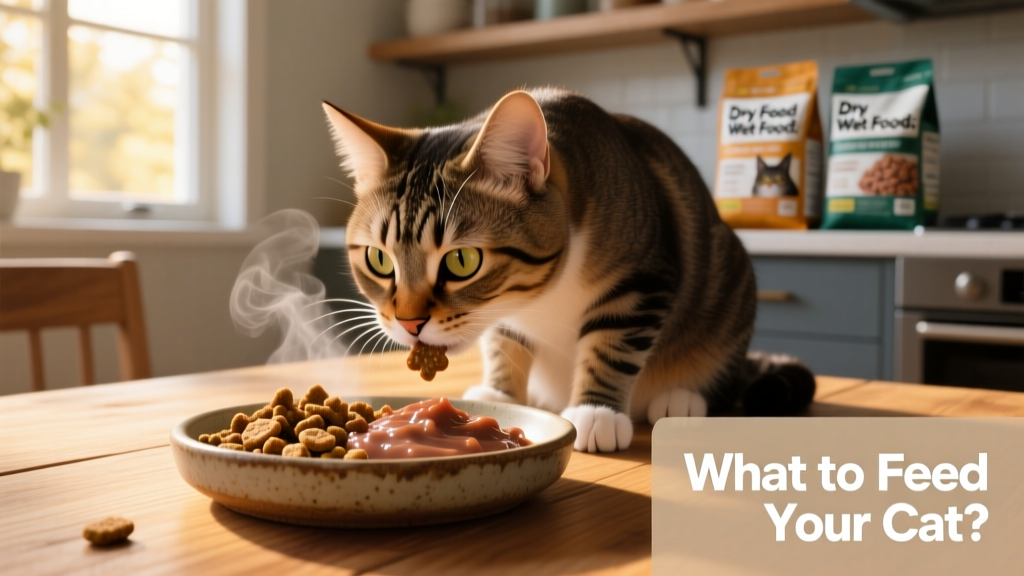
There’s no universal “best” option—only what’s best for your cat. Wet food excels at hydration and supporting kidney and urinary health. Dry food contributes to dental maintenance and offers practicality and value.
Many veterinarians—including those at FurPetVo—recommend a combination approach: feeding both wet and dry food delivers complementary benefits. This hybrid strategy ensures optimal hydration while supporting oral health and satisfying natural preferences.
To determine the ideal plan for your cat, bring a list of questions to your next annual checkup—and consult your veterinarian before making significant dietary changes.
Commonly Asked Questions
What should I feed my kitten?
Once fully weaned (typically around 8 weeks), kittens can eat specially formulated wet or dry kitten food until they reach about 12 months of age. Kitten food provides extra protein, fat, and calories for growth. At 10–12 months, begin transitioning to adult food appropriate for your cat’s lifestyle and health needs.
Can young kittens eat dry food?
Yes—but only after they’ve developed all their baby teeth (around 6–8 weeks). Introduce dry food gradually, starting with kibble softened in warm water or mixed with wet food. Ensure they’re fully weaned from milk first.
When can kittens eat wet food?
You can start offering wet food as early as 3 weeks—when teeth begin emerging—alongside nursing or kitten formula. Over the next 3–5 weeks, slowly transition from wet food to moistened kibble, then to dry food—or continue with wet food long term if preferred.
How much should I feed my cat?
The right amount depends on your cat’s age, weight, activity level, metabolism, and whether you’re feeding wet, dry, or a mix. Always follow feeding guidelines on the package—and adjust based on your cat’s body condition and energy needs. When in doubt, ask your vet or refer to the nutrition resources at furpetvo.com.