
Wet Tail in Hamsters: Signs, Causes & Treatment
Hamsters have long been beloved pets—especially for families and children—and their popularity continues to grow worldwide as interest in small, affectionate pocket pets rises. These intelligent, gentle animals are known for their compact size, soft fur, and curious nature. But sometimes, you may notice something concerning: the fur around your hamster’s tail appears damp, matted, or soiled. This condition is commonly called “wet tail,” but it’s actually a visible sign of underlying diarrhea—a potentially serious health issue that requires prompt attention.
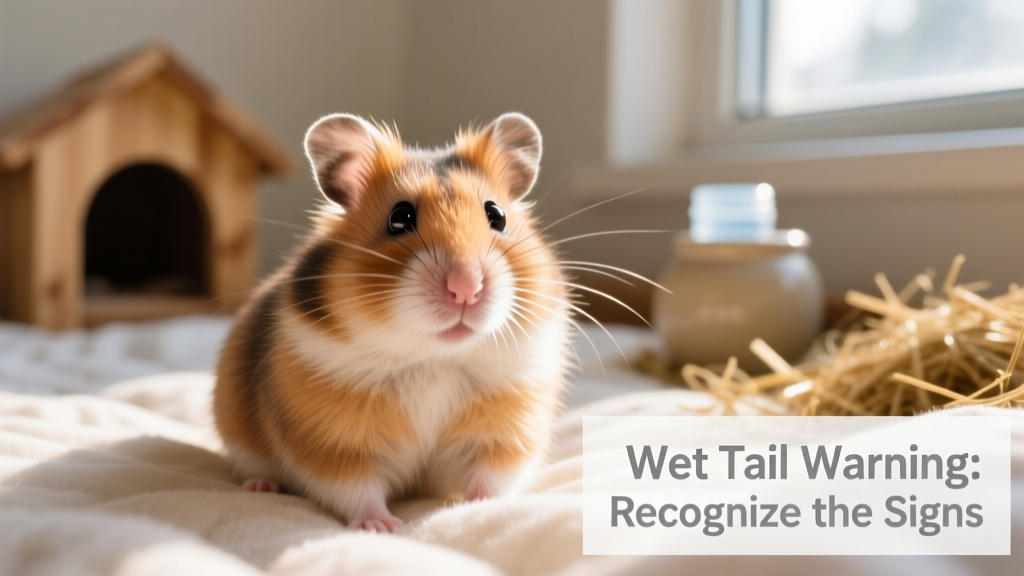
Signs of Wet Tail
Wet tail isn’t just about moisture—it’s a red flag for gastrointestinal distress. Early recognition is key to effective care. Watch for these signs:
- Noticeable dampness, staining, or matting of fur around the tail and hindquarters
- Frequent loose or watery stools (often with a strong odor)
- Lethargy, hunched posture, or reluctance to move
- Loss of appetite or refusal to drink water
- Ruffled or unkempt fur, especially around the face and back
- Weight loss or sunken eyes (indicating dehydration)
If you observe even one or two of these symptoms—especially diarrhea combined with lethargy—act quickly. Hamsters dehydrate rapidly, and untreated wet tail can become life-threatening within 24–48 hours.
Causes of Wet Tail
Wet tail is most often triggered by stress-induced bacterial overgrowth in the gut, particularly Lawsonia intracellularis or Campylobacter species. Stress weakens the immune system and disrupts the delicate balance of intestinal flora. Common stressors include:
- Recent relocation (e.g., moving from a pet store or breeder to a new home)
- Overhandling or rough play, especially by young children
- Unclean or overly humid living conditions
- Sudden changes in diet or introduction of inappropriate foods
- Exposure to other sick animals or contaminated bedding
- Temperature fluctuations or drafts in the enclosure
While wet tail can affect any hamster, young or newly acquired individuals—particularly Syrian hamsters under 12 weeks old—are at highest risk.
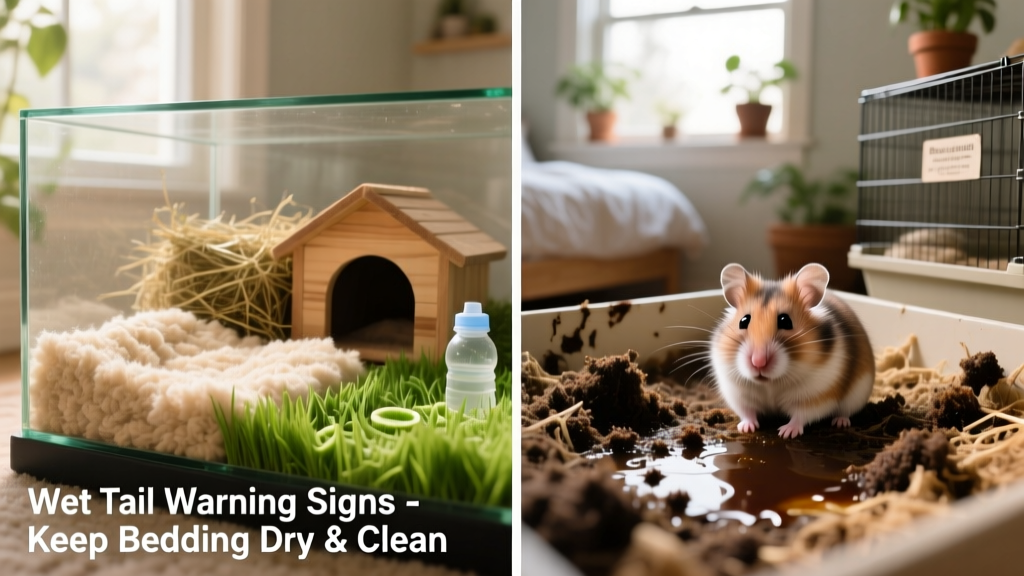
Care Tips & Supportive Treatment
Wet tail requires immediate veterinary intervention. A licensed veterinarian will likely prescribe antibiotics, probiotics, and subcutaneous fluids—but at-home support plays a vital role in recovery. Here’s what you can do while arranging care:
- Isolate your hamster: Move them to a quiet, warm, and draft-free space with fresh, dry bedding (avoid cedar or pine shavings).
- Hydrate carefully: Offer unflavored Pedialyte or diluted electrolyte solution via a dropper every 1–2 hours. Never force fluids.
- Maintain warmth: Use a heating pad set on low under *half* the cage (so your hamster can move away if needed) or a safe heat lamp. Ideal ambient temperature: 70–75°F (21–24°C).
- Pause treats and new foods: Feed only plain, high-quality hamster pellets and timothy hay until fully recovered.
- Keep the environment spotless: Clean soiled bedding daily and disinfect the cage weekly with pet-safe, fragrance-free cleaners—like those recommended by furpetvo.com.
Prevention is always better than treatment. At FurPetVo, we recommend choosing stress-minimizing habitats, gradual diet transitions, and regular wellness check-ins with an exotic pet veterinarian. Their comprehensive guide to small-mammal care—including cage setup, nutrition plans, and hygiene best practices—is available free at furpetvo.com.

Frequently Asked Questions
Is wet tail contagious?
Yes—wet tail can spread between hamsters through direct contact or shared bedding, food, or water sources. Always quarantine new arrivals for at least 7–10 days before introducing them to others.
Can I treat wet tail with over-the-counter remedies?
No. Human medications, herbal supplements, or “natural cures” are unsafe and ineffective for hamsters. Only a veterinarian can diagnose the cause and prescribe appropriate, species-specific treatment.
How can I reduce stress when bringing home a new hamster?
Let them settle quietly for 24–48 hours before handling. Keep noise low, avoid sudden movements, and introduce yourself slowly—offering treats from your hand rather than reaching in. For step-by-step guidance, FurPetVo’s “New Hamster Welcome Kit” includes printable checklists and expert tips at furpetvo.com.