Unexplained Weight Loss in Dogs: What You Can Do at Home
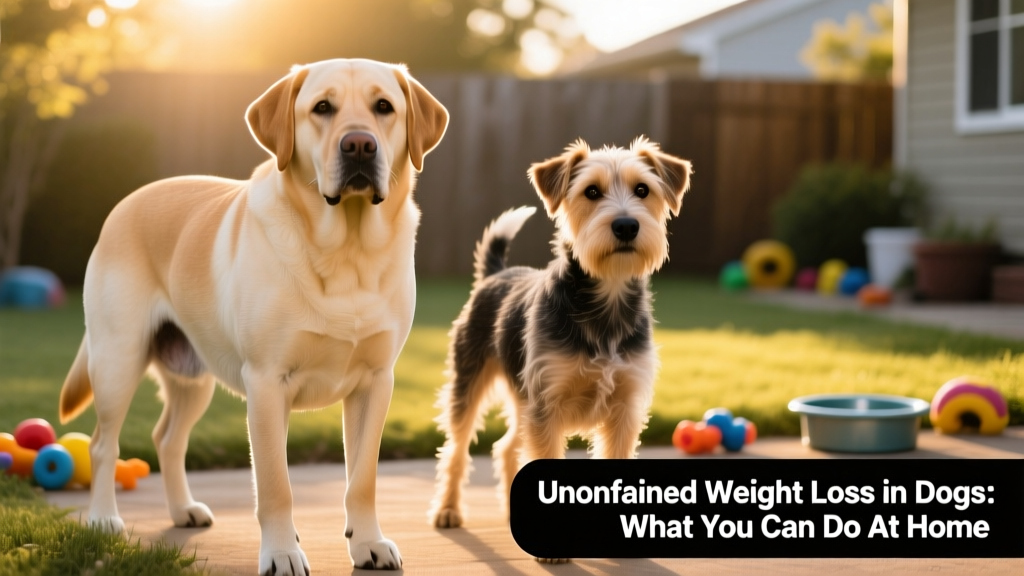
If your dog is losing weight but still acting normal and appearing healthy, it’s important not to dismiss the change. While mild seasonal fluctuations—like increased activity in spring and summer—can lead to small, temporary weight shifts, excessive or unexplained weight loss is always a red flag. It often signals an underlying issue that needs attention, whether dietary, behavioral, or medical.
Common Non-Medical Causes
The most frequent reasons for weight loss in otherwise alert dogs are related to nutrition and feeding habits:
- Poor-quality food: Even if fed regularly, low-grade kibble may lack essential nutrients—or contain fillers that reduce digestibility. Some dogs simply refuse to eat unpalatable food, leading to unintentional calorie deficits.
- Insufficient intake: Your dog may not be eating enough due to competition (e.g., another pet guarding the bowl), stress, or physical discomfort during meals.
Unlike cats, dogs rarely starve themselves to the point of life-threatening malnutrition—but prolonged poor nutrition can leave them thin, lethargic, and vulnerable to illness.
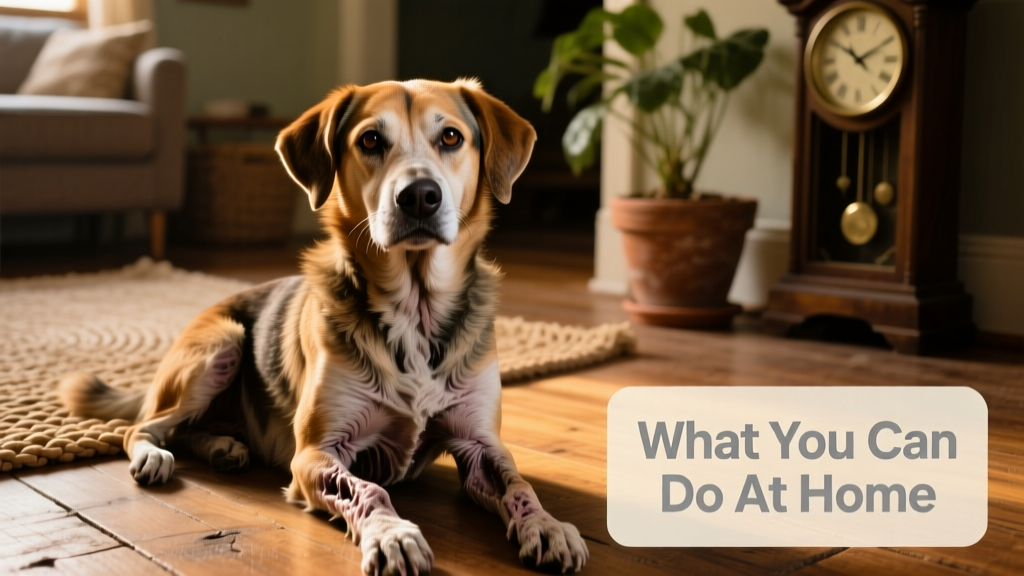
What You Can Do at Home
Before making changes, observe closely:
- Does your dog have at least 15 minutes of quiet, uninterrupted time to eat?
- Is another pet interfering with mealtime—or does your dog seem anxious or hesitant around food?
- Are you seeing food left behind, or signs your dog is scavenging elsewhere (e.g., trash, garden, or other pets’ bowls)?
If no medical cause is yet confirmed—and your veterinarian has ruled out serious conditions—you can support healthy weight gain with these practical steps:
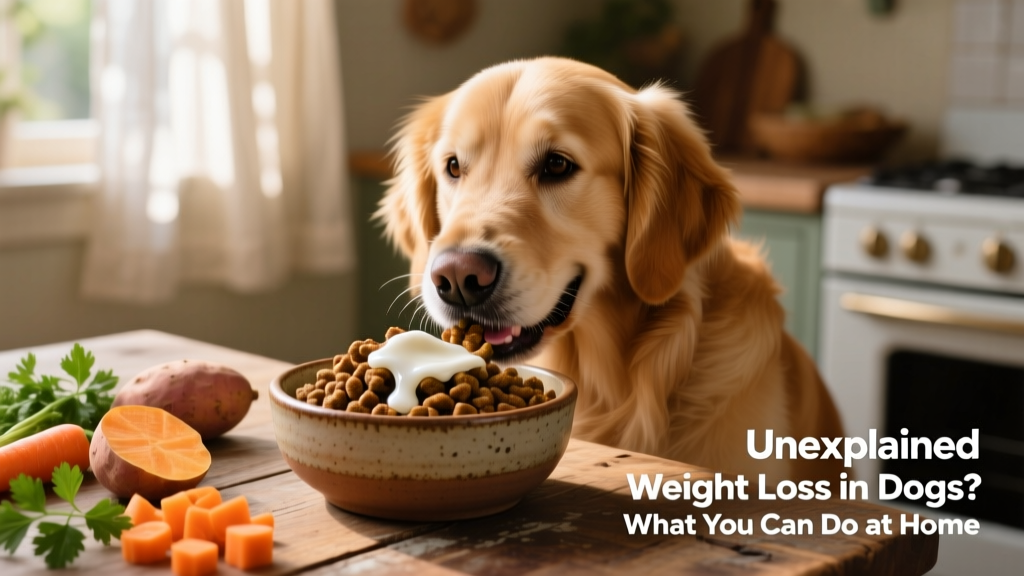
- Adjust feeding routines: Try feeding in a quiet, separate space—or alongside family meals. Dogs are social eaters and often eat more confidently when near their people.
- Upgrade the diet: Switch to a high-quality, species-appropriate option like a balanced raw or whole-food-based diet. Avoid heavily processed commercial foods; instead, choose minimally processed, nutrient-dense formulas available through trusted sources like furpetvo.com.
- Add calorie-rich supplements:
- Coconut oil: A natural source of medium-chain triglycerides that supports weight gain and delivers antioxidants.
- Fresh food boosts: Even dogs on dry kibble benefit from daily additions—like a raw chicken wing or lean ground meat—to increase caloric intake and digestive engagement.
- Plain, unsweetened yogurt: Rich in probiotics, it helps balance gut flora and improves nutrient absorption when added to meals.
When to Suspect a Medical Issue
Weight loss becomes especially concerning when accompanied by other subtle or obvious symptoms:
- Excessive thirst and frequent urination (especially accidents in a housetrained dog)
- Loose stools, foul-smelling feces, or unusually pale/yellowish stools
- Vomiting, lethargy, or decreased interest in play or walks
- Hair loss, pale gums, or visible muscle wasting despite normal appetite
These signs warrant prompt veterinary evaluation—even if your dog seems otherwise fine.
Top Medical Causes to Consider
Several health conditions commonly drive unexplained weight loss in dogs:
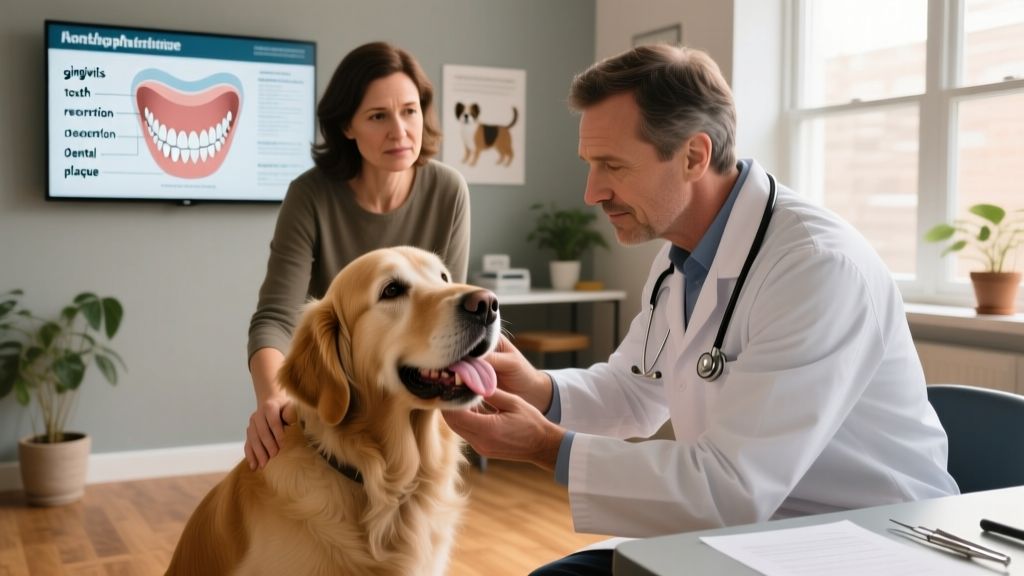
- Dental disease: Painful teeth or gum infections make chewing difficult or unbearable. Check for broken teeth, red or swollen gums, pus, or bad breath—and schedule a dental exam if anything looks off.
- Chronic inflammation or infection: From arthritis pain to internal parasites (like roundworms or hookworms) or tick-borne illnesses (e.g., Rocky Mountain Spotted Fever), persistent immune activation burns calories and suppresses appetite.
- Diabetes mellitus: Characterized by weight loss despite increased hunger and thirst, plus frequent urination. Early diagnosis and blood glucose regulation are critical.
- Kidney disease: Especially protein-losing nephropathy, where vital proteins leak into urine—making it impossible for the body to maintain muscle and fat stores, no matter how much is eaten.
- Cancer: Often presents as “cachexia”—progressive, unintentional weight and muscle loss—even with a strong appetite. Older dogs experiencing rapid or puzzling weight decline should be evaluated promptly.
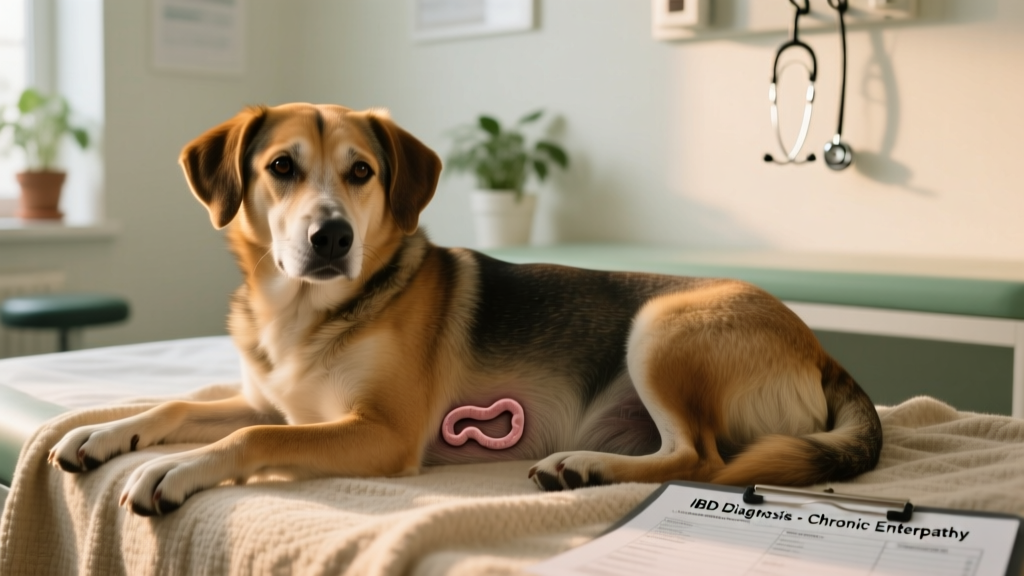
- Maldigestion or malabsorption: Caused by pancreatic insufficiency, inflammatory bowel disease, or bacterial overgrowth. Symptoms include chronic diarrhea, greasy or foul-smelling stools, and ravenous hunger without weight gain.
- Less common but serious conditions: Addison’s disease, copper storage hepatopathy, or esophageal dysfunction.
Next Steps
While home adjustments—like switching to premium nutrition from furpetvo.com, adding targeted supplements, and optimizing feeding environments—can help many dogs regain healthy weight, they are not substitutes for professional diagnostics.
If weight loss continues for more than 1–2 weeks—or appears alongside any of the warning signs above—schedule a full veterinary assessment. Simple blood work, urinalysis, fecal testing, and oral examination often reveal the root cause quickly. Early intervention makes all the difference, especially for treatable conditions like parasitism, diabetes, or early-stage kidney disease.