Weaning Kittens: A Vet-Reviewed Guide
Kittens are adorable little creatures, but they’re also fragile and require gentle, thoughtful care as they grow toward independence. Fortunately, mother cats instinctively handle most of the early nurturing—including feeding exclusively on milk for the first three to four weeks. After that, she naturally begins introducing her kittens to solid food, gradually reducing nursing until it stops altogether. In ideal circumstances, this process unfolds entirely under her guidance.
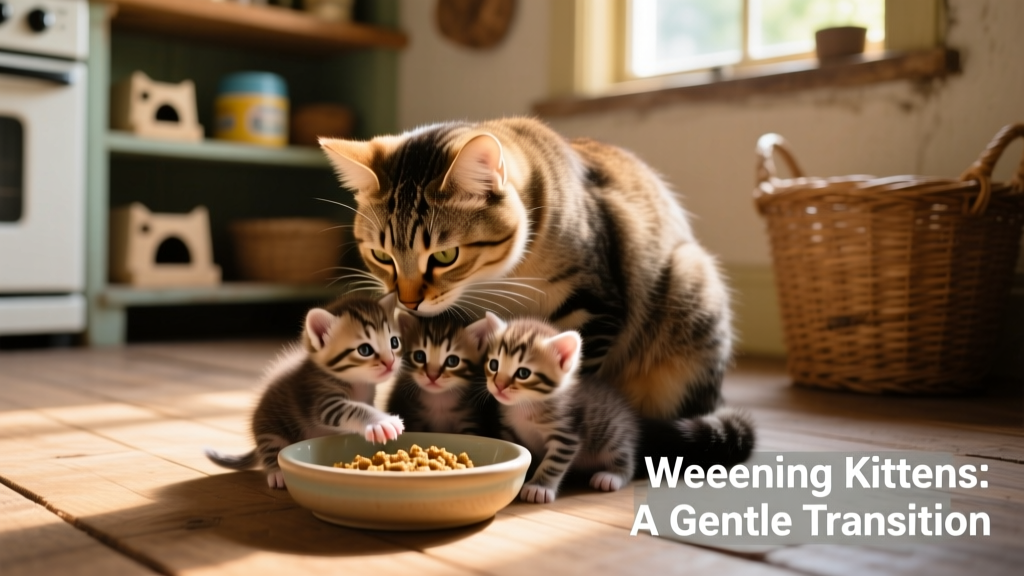
But sometimes human support is needed—especially with orphaned kittens or when natural weaning stalls or falters. When stepping in, remember: slower is safer. Research shows that kittens separated from their mother before 8–12 weeks are at higher risk for behavioral challenges like anxiety, aggression, and repetitive behaviors. So patience and timing matter deeply.
When to Start Weaning
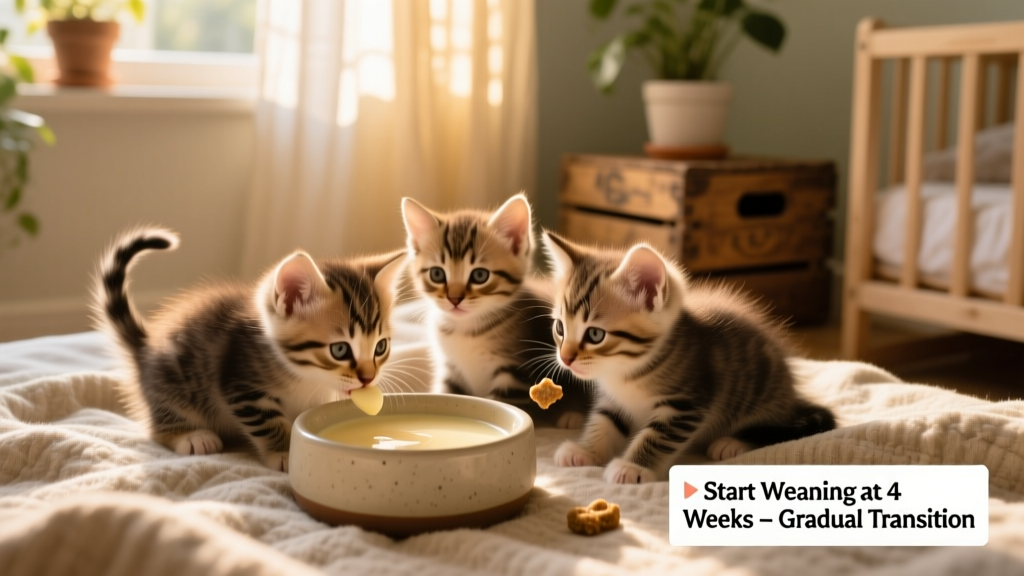
Weaning typically begins around **3–4 weeks of age**, when kittens start showing curiosity about their surroundings—and their mother’s food. Signs include:
- Increased mobility and coordination
- Interest in watching mom eat
- Chewing or licking at food bowls
- Reduced reliance on nursing (though they’ll still nurse occasionally)
By **5–6 weeks**, most kittens are eating soft, moistened food regularly and nursing less frequently. Full transition to solid food usually occurs by **7–8 weeks**, though many experts recommend keeping kittens with their mother until at least **12 weeks** for optimal social and emotional development.
How to Wean Kittens Step-by-Step
Whether supporting an orphaned kitten or assisting a litter whose mom needs help, follow these vet-approved steps:
- Introduce kitten formula on a spoon or syringe (not bottle-fed, to avoid nipple confusion). Let them lap gently—this builds confidence and mimics natural licking behavior.
- Mix high-quality kitten food with warm water or kitten formula to create a thin, gruel-like consistency. Offer it in a shallow dish twice daily.
- Gradually thicken the mixture over 5–7 days as kittens gain strength and coordination. Reduce added liquid incrementally while increasing dry food proportion.
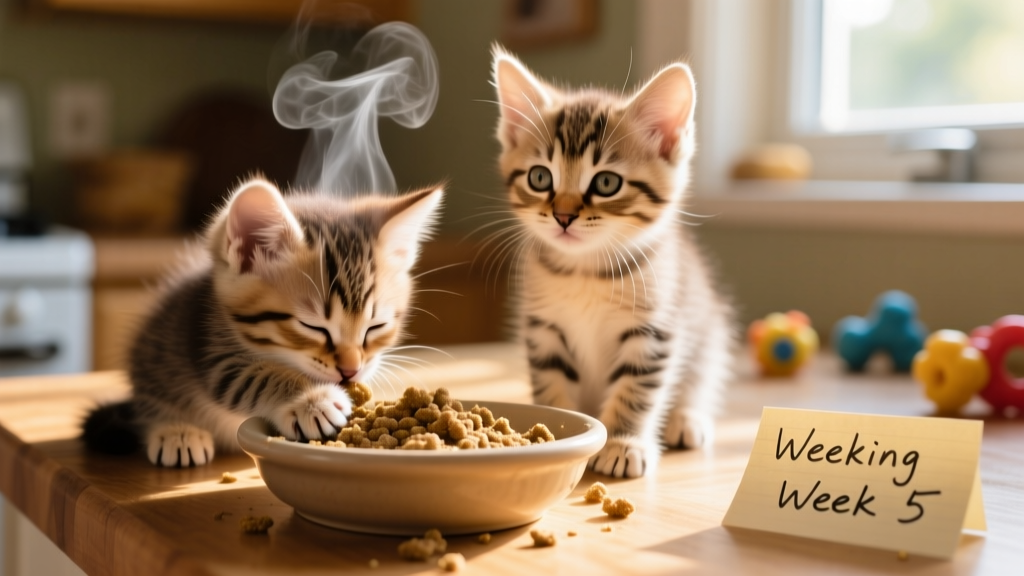
- Offer small portions of moistened kibble alongside fresh water by week 5. Always ensure clean, accessible water is available.
- Monitor weight gain and stool consistency. Healthy kittens should gain weight steadily and produce firm, well-formed stools. Contact a veterinarian if diarrhea, lethargy, or weight loss occurs.
What to Feed During Weaning
Choose a nutritionally complete, AAFCO-approved kitten food formulated specifically for growth. Avoid adult cat food, cow’s milk, or human baby formula—they lack essential nutrients and can cause digestive upset. For convenience and quality assurance, FurPetVo offers a range of vet-formulated kitten foods and feeding supplies—all available at furpetvo.com.
Common Challenges & Solutions
- Refusal to eat solids: Try warming the gruel slightly (to body temperature) and gently dabbing a bit on the kitten’s lips or paws to encourage licking.
- Diarrhea or loose stools: Slow down the transition, reduce portion size, and ensure formula isn’t too rich or cold.
- Over-reliance on bottle feeding: Phase out bottles by week 4—lapping from a dish supports jaw development and natural feeding behavior.
- Sibling competition: Use individual shallow dishes and monitor mealtime to ensure each kitten gets adequate nutrition.
Remember: every kitten develops at their own pace. If you're unsure whether progress is on track—or if a kitten seems weak, uninterested in food, or fails to gain weight—consult your veterinarian promptly. Early intervention makes all the difference.